
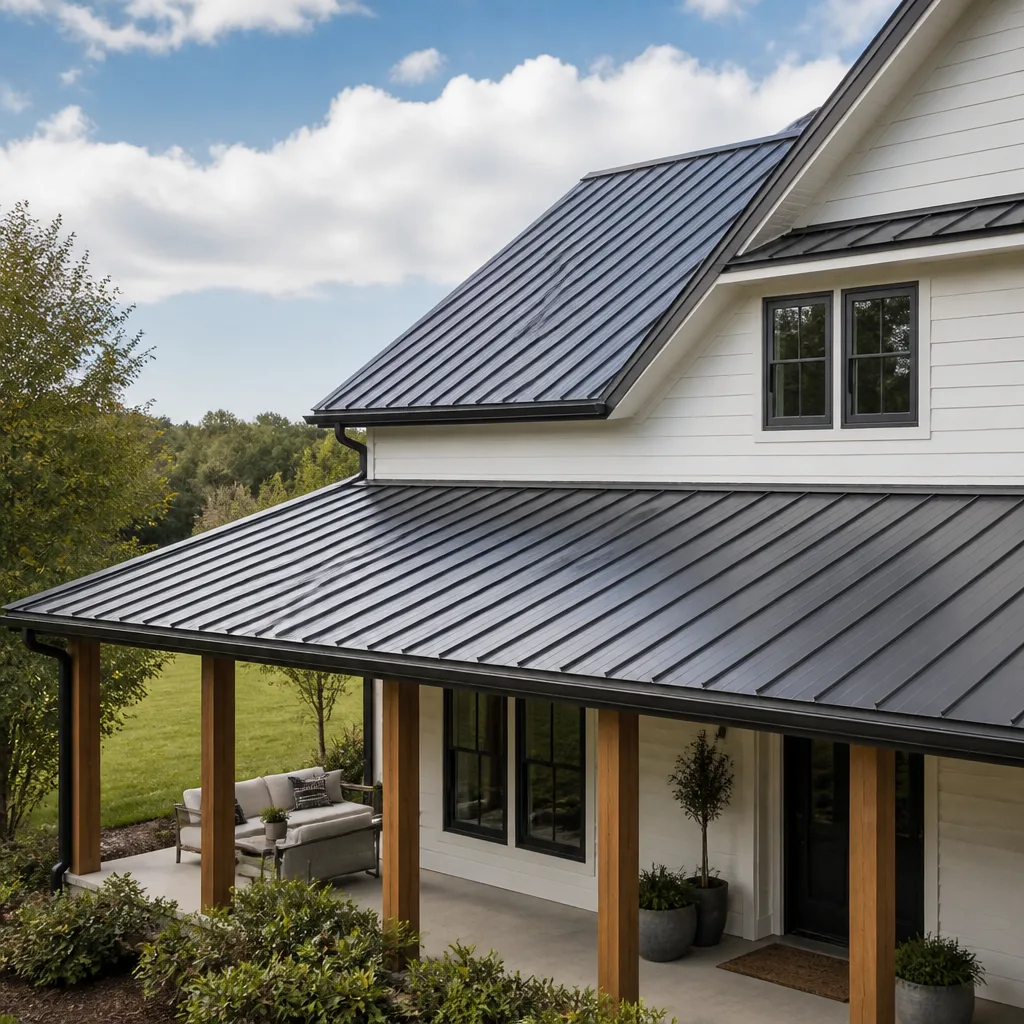
 Metal roofing
 Architectural shingles
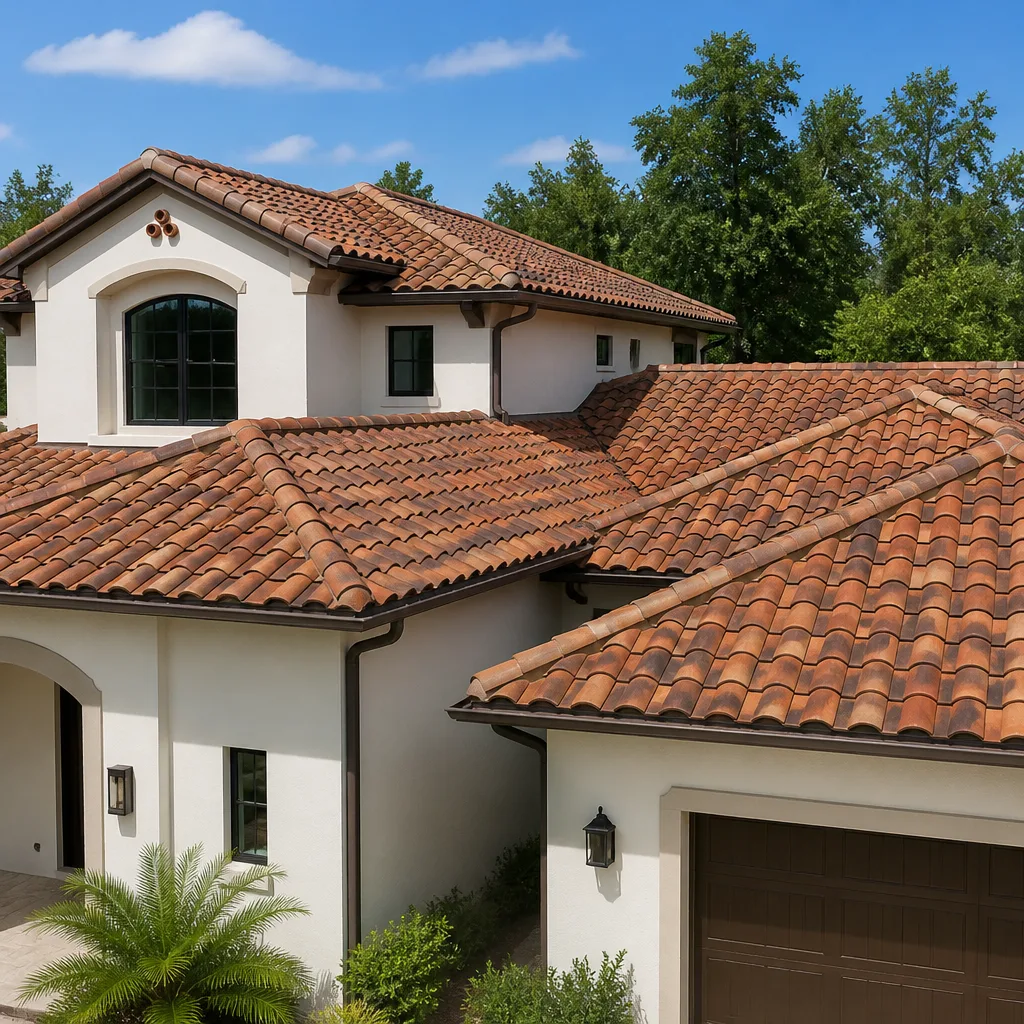 Tile roofing
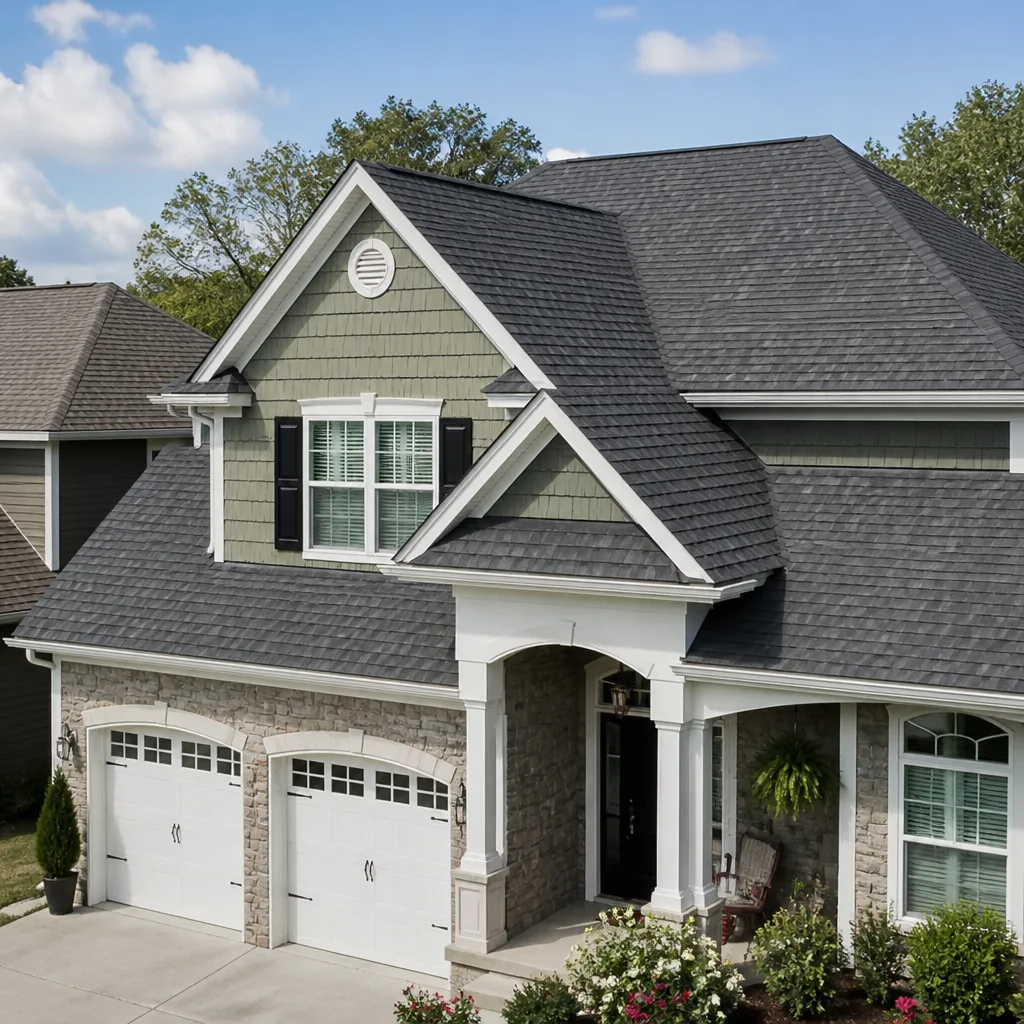 GAF
 Owens Corning
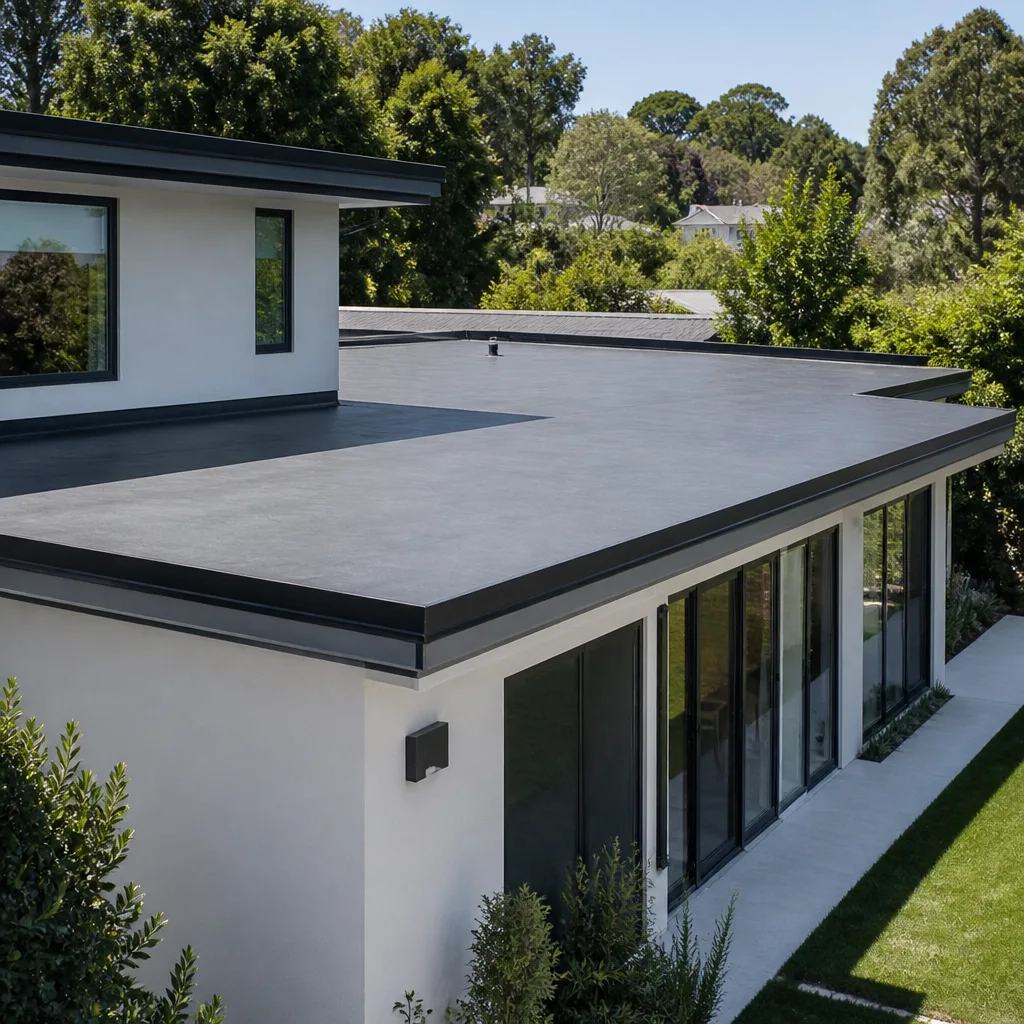 Flat & low-slope
Free roof inspection with deck photos before we talk money - GAF and Owens Corning certified installation
Styles & brands we work with
- Architectural shingles
- Metal roofing
- Tile roofing
- GAF
- Owens Corning
- Flat & low-slope
See the difference
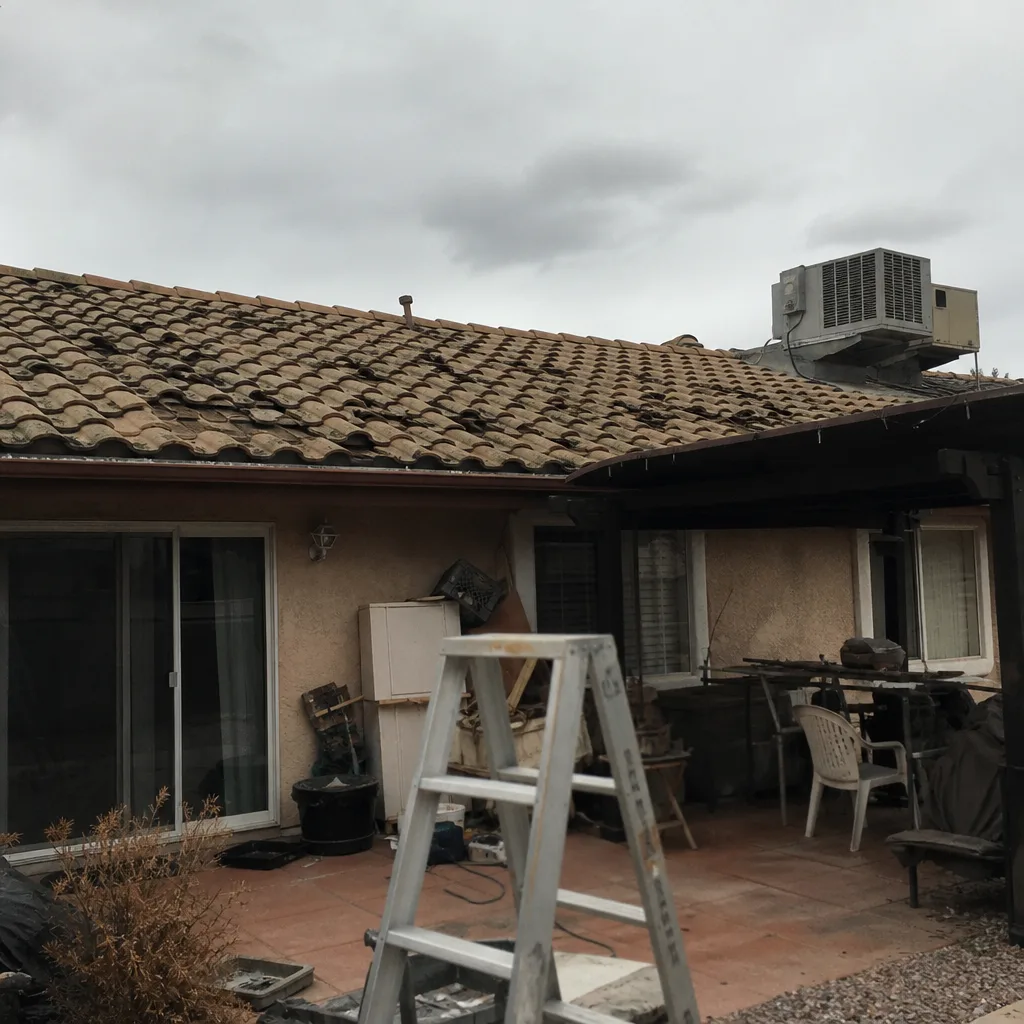 Before
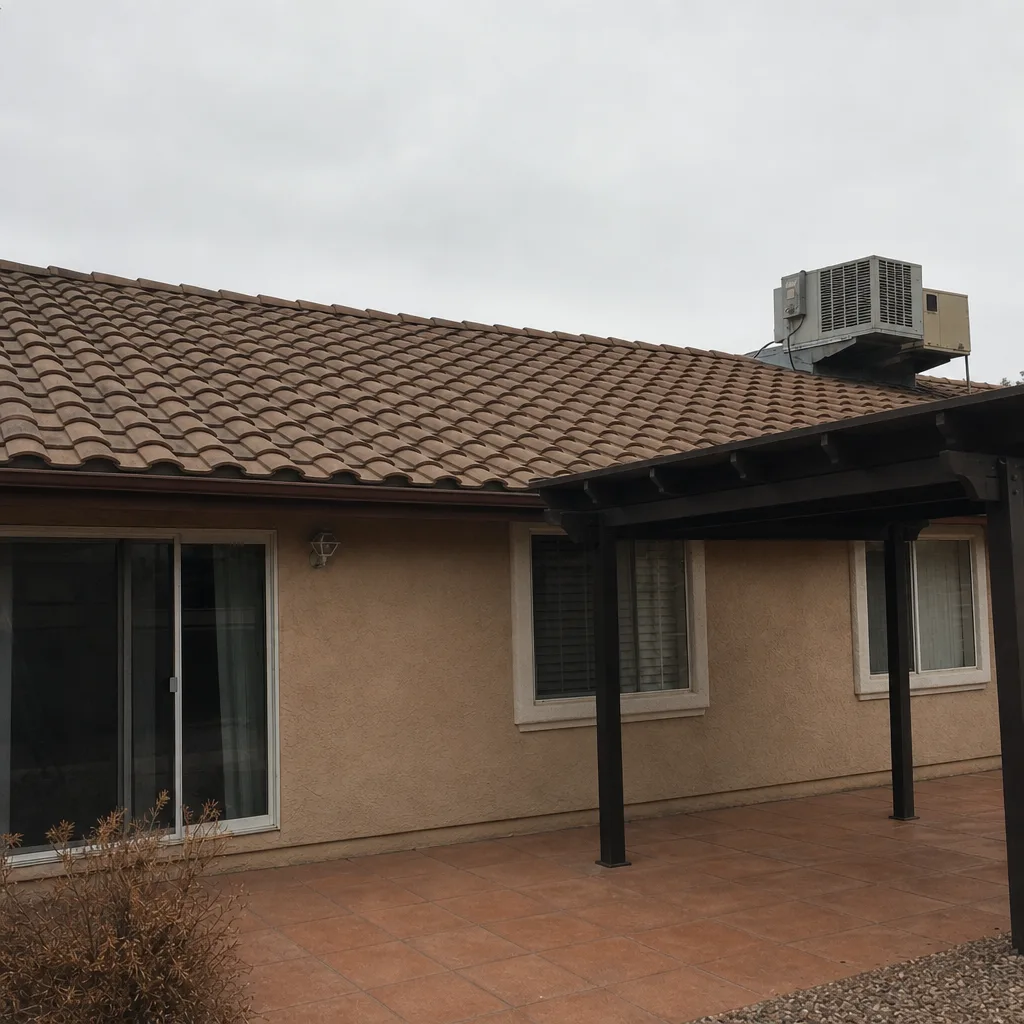 After
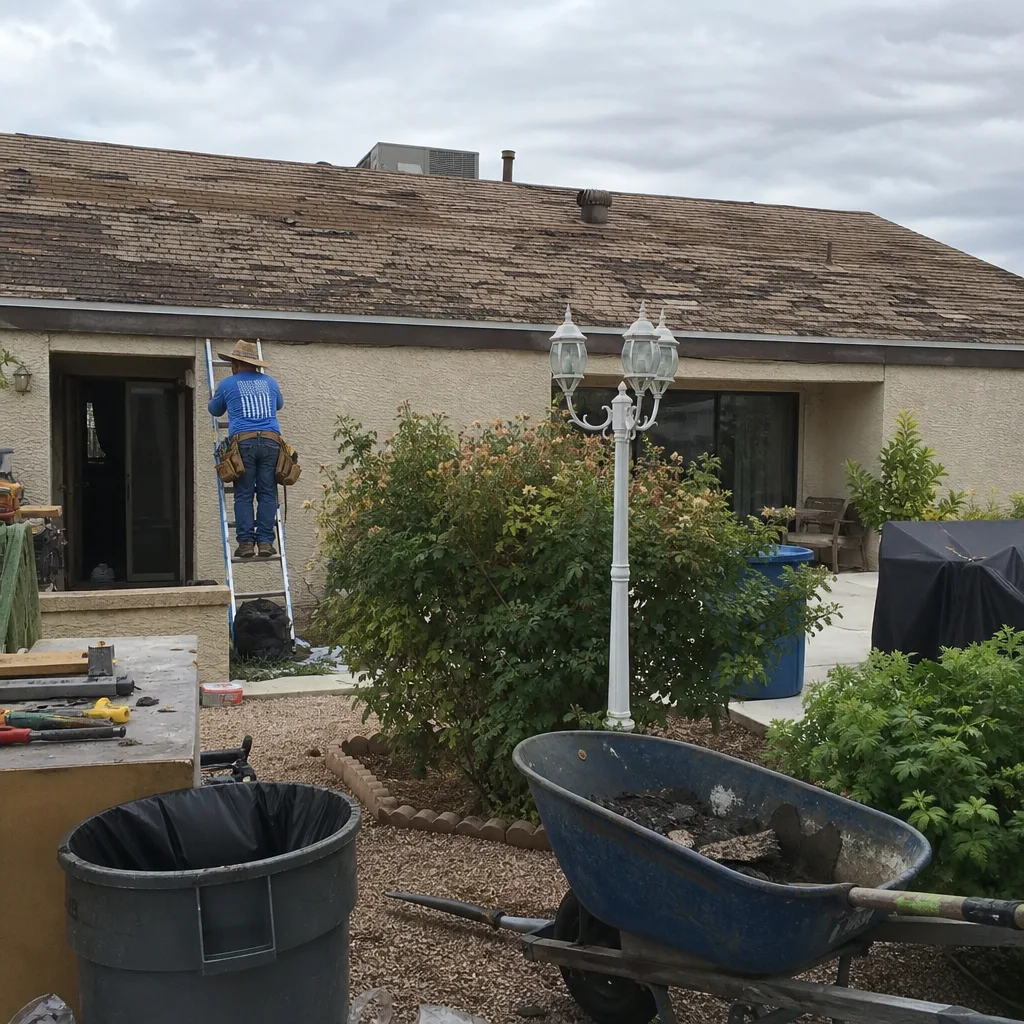 Before
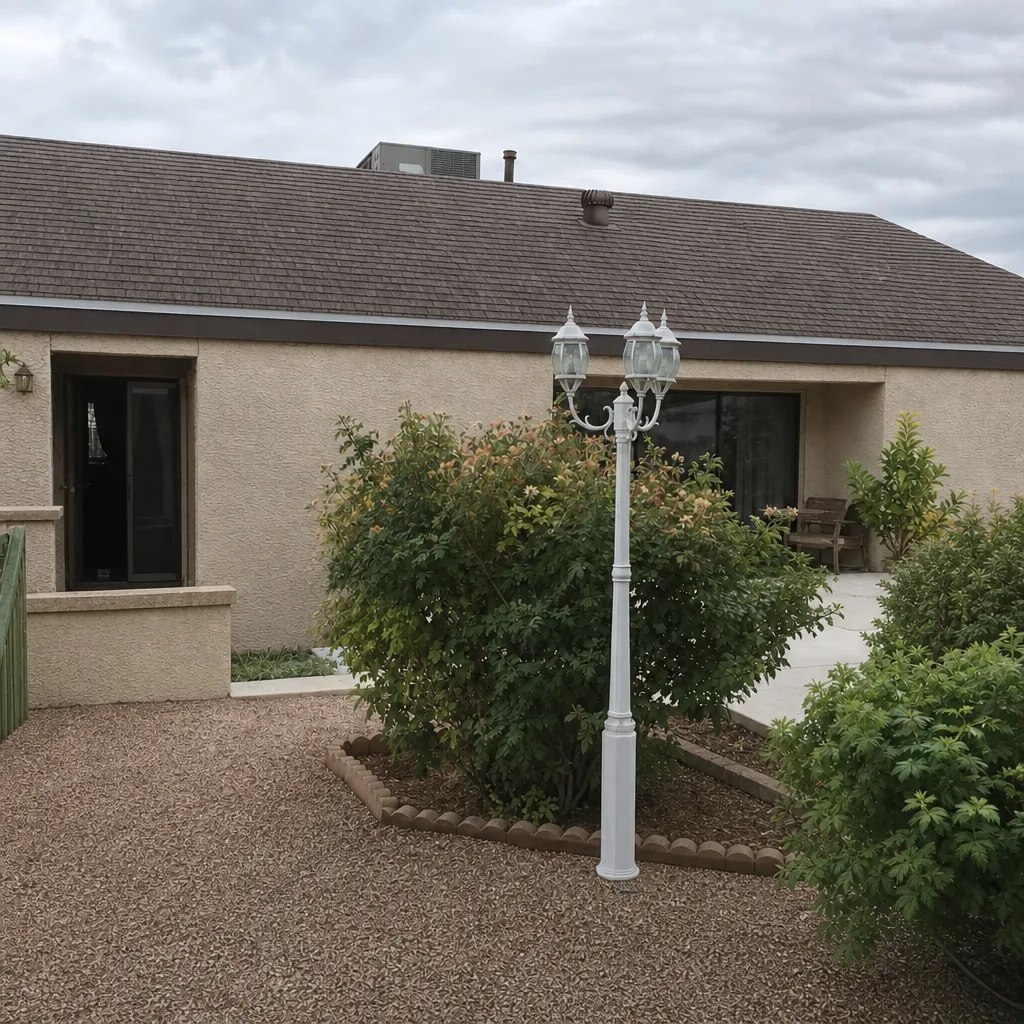 After
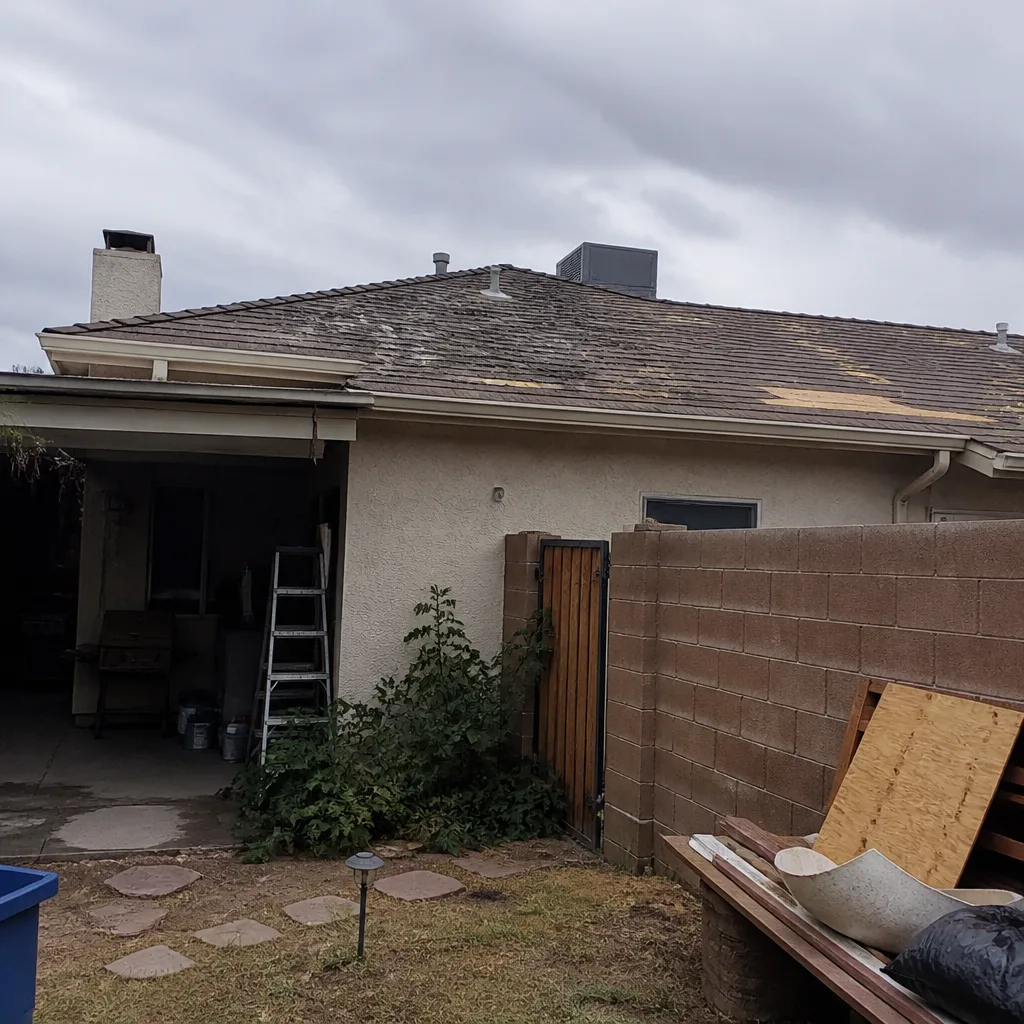 Before
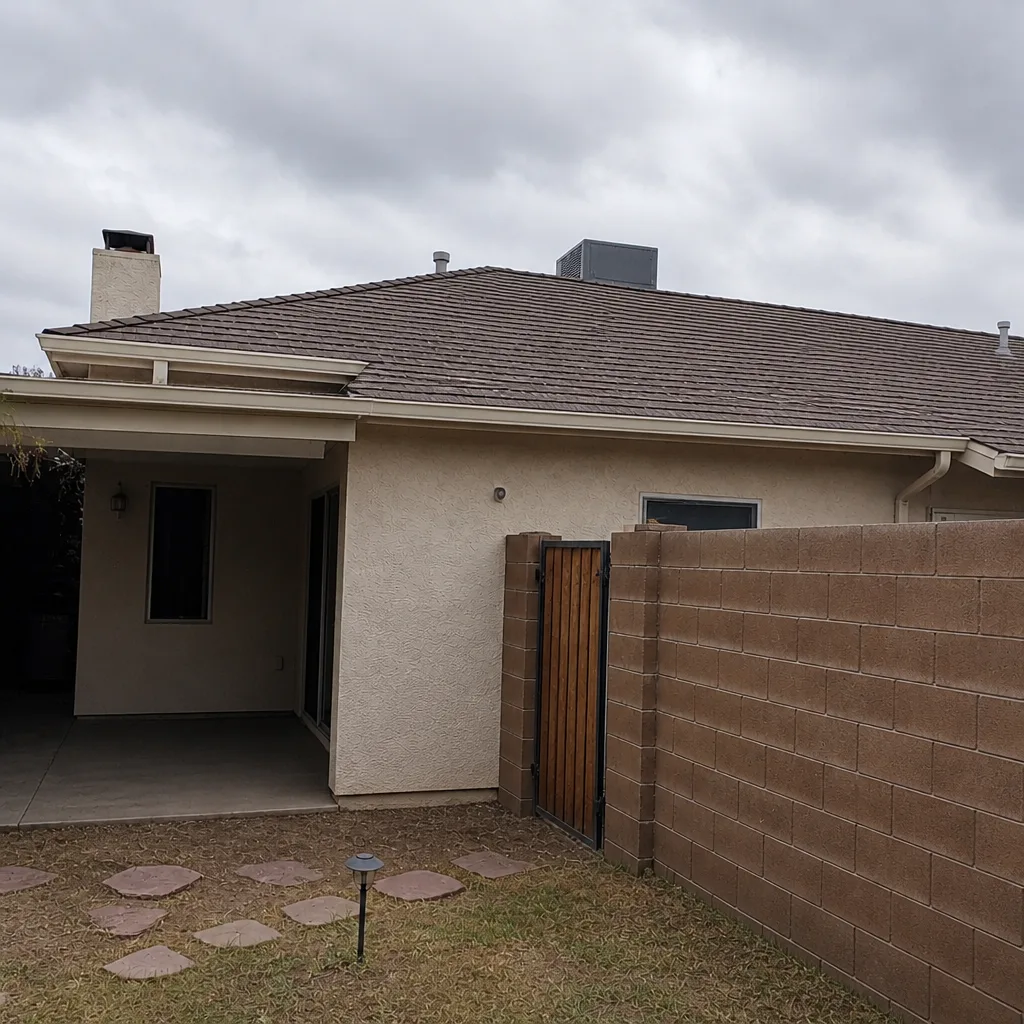 After
What Causes Roof Leaks in Henderson, NV? The Desert Failure Nobody Warns You About
The most common cause of roof leaks in Henderson is not the storm that finally lets the water in - it’s the underlayment and flashing sealant that quietly failed months earlier under 160°F tile and daily 40-50°F temperature swings. By the time monsoon rain arrives in July or August, the felt under your tile is often already brittle, torn at the nail penetrations, and letting water reach the deck. That’s why we tell homeowners here: the leak you find in summer started in spring. If water is already inside, don’t wait it out - call (833) 691-6717 and we’ll photograph exactly where it’s coming from.
Henderson homeowners tend to discover a roof leak in July or August. Not because monsoon rain is unusually heavy, but because 90 straight days above 100°F have already cracked the sealant and dried out the underlayment felt - so the first real rain of the year finds every weakness at once.
Why Henderson Roofs Leak Differently Than Anywhere Else
We work this valley every week, and the pattern is consistent. Henderson’s housing stock is dominated by 1990s-2010s tract homes with concrete tile and asphalt shingle roofs, plus scattered older 1960s-70s ranches near Water Street. Thousands of those tile roofs went up at roughly the same time. They’re hitting their first major replacement cycle together, and many are leaking now for a reason the tile itself hides.
Summer UV index here routinely climbs past 11. Tile surface temperatures reach about 160°F. That heat cooks the underlayment felt sitting beneath the tile, and felt that was rated for 20-25 years becomes brittle well before the tile above it shows any visible cracking. The tile looks fine from the driveway. The deck underneath is not. That gap between how the roof looks and how it performs is the heart of most Henderson leak calls we answer.
What to Look For: A Comparison of Leak Causes
Not every leak announces itself the same way. Here’s how the common culprits compare in this climate, so you can match what you’re seeing to what’s likely happening.
- Brittle underlayment (most common on tile roofs): No visible damage up top, but water stains appear on the ceiling after rain. The felt has torn at nail penetrations after decades of heat. Tile above it often looks intact.
- Failed flashing sealant (extremely common): Drips near a chimney, HVAC unit, pipe boot, or skylight. Desert temperature swings fatigue the sealant bond faster than in moderate climates, opening hairline separations that only fully open under a downpour.
- Wind-driven monsoon intrusion (east-side foothills): Leaks during horizontal, 60-mph microburst rain that never show up in a gentle storm. Rain drives under tile overlaps at angles standard drainage design never planned for.
- Valley flashing backup (low-slope ranch additions): Debris and calcified hard-water deposits from irrigation overspray pile up on low-slope sections common in 1990s Green Valley ranch-style additions, pushing water above the flashing’s waterproof zone.
- Slipped tile or blown ridge cap (after a microburst): Visible missing or shifted pieces, often right after a storm rolls off the McCullough Range.
If you’re seeing more than one of these, it’s worth a proper look rather than a patch. Our Roof Repair in Henderson team handles the full range, and you can read more about how we approach any Roof Repair job on the main service page.
Why a Roof That Sheds Vertical Rain Can Still Leak in a Microburst
After a monsoon microburst rolls off the McCullough Range, we see a familiar spike in calls from Green Valley and Anthem for slipped concrete tiles and blown-off ridge caps. That damage rarely happens on the sheltered, flatter streets of downtown Henderson a few miles away. The difference is wind angle and geography.
Here’s the part generic “what causes roof leaks” articles miss. Standard roof design assumes gravity does most of the work, and it does - for rain falling straight down. But a microburst drives rain horizontally at 60 mph, forcing it sideways under tile overlaps and upslope against flashing the roof never had to defend in a light storm. A roof that’s been shedding vertical rain perfectly for twenty years can leak badly in one of these events because the water is arriving from an angle the design never anticipated. When that happens the water doesn’t just breach a minor seam - it finds every weakened point at once, which is why a single microburst can turn a “fine” roof into three leaks in one afternoon.
Why This Keeps Happening: The Thermal Cycling Nobody Sees
Flashing sealant around HVAC curbs, pipe boots, and skylight frames expands and contracts with daily desert temperature swings of 40-50°F. That daily cycle flexes the sealant bond over and over, year after year, and it fatigues faster here than in a moderate climate where the temperature barely moves between day and night. The result is hairline separations that sit quietly all spring, then open fully under the hydrostatic pressure of a real downpour.
Add the valley flashing issue on low-slope additions and you have three failure pathways - underlayment, sealant, and drainage - all widening at the same time through the dry season. This is why the first monsoon rain of the year so often produces not one leak but several.
What a Real Inspection Shows You - and What a Guess Doesn’t
You can’t diagnose a Henderson leak from the ground. A ladder at the eave tells you almost nothing about brittle felt under intact tile, or sealant separating at a curb twenty feet up the slope. Our technicians photograph every penetration, every valley, and every ridge cap from the roof deck itself, so you get a visual record of exactly where water is entering and why - not a vague estimate with no evidence behind it. Our technicians have up to 10 years of experience reading these desert failures.
Every inspection is done by background-checked, uniformed technicians, and we install products from GAF, CertainTeed, Owens Corning, and the other manufacturer lines we’re authorized for, so any repair uses proper materials with no substitutions. Because we work with independent local professionals who do the actual roof work, the crew you see is a crew that knows this valley’s heat and wind, not a truck passing through after a storm. That matters here, where a bad patch can look fine until the next microburst tests it.
Pricing is upfront so you know where you stand before anyone climbs up:
| Service | Typical Range | Notes |
|---|---|---|
| Leak inspection with photo documentation | Free with repair | Full deck-level photo record |
| Minor flashing / sealant repair | Call for quote | $50 off any repair over $250 |
| Pipe boot or valve re-seal | Call for quote | Often same-day |
| Slipped tile / ridge cap reset | Call for quote | Common after microbursts |
| Seasonal tune-up | $89 | Catches failures before monsoon |
A repair that over $250 qualifies for $50 off, and seniors and veterans get a standing 5% discount. If another contractor has already handed you a written estimate, our home team will give you a free second opinion before you commit.
FAQs
The most common cause is failed underlayment felt beneath intact concrete tile. Decades of 160°F surface heat make the felt brittle and it tears at the nail penetrations long before the tile above shows any cracking, so water reaches the deck while the roof still looks fine. Call (833) 691-6717 for a photo-documented inspection - estimates are free.
Because the failure pathway has been widening all summer and only fills with enough water under a real downpour. Hairline sealant separations and drained felt don’t leak in a light sprinkle - they open under the hydrostatic pressure and wind-driven angle of a July-September microburst. If your roof only leaks in heavy rain, the weakness is already there; don’t wait for the next storm.
Yes - heat is often the actual cause, and the storm is only the messenger. Daily 40-50°F temperature swings fatigue flashing sealant around HVAC curbs, pipe boots, and skylights, and months of UV baking embrittle underlayment. A roof can be damaged by heat alone and simply never show it until rain arrives. Call (833) 691-6717 to have it checked before the next season.
Repair usually wins when the leak is one isolated point (a boot, a curb, a slipped tile) and the felt underneath is still sound. Replacement becomes the honest answer when underlayment is failing across a wide area on a 1990s-2000s tile roof hitting its first cycle. We’ll show you the photos and give you a straight read - a free second opinion on any written estimate, with no pressure. Call (833) 691-6717.
Most Henderson leaks have a clear cause once someone actually gets on the roof and photographs it. If you’d rather have it looked at than guess, Ridgeline Roofing Co. Henderson offers a no-pressure assessment in Henderson - done right, and if it’s not, we make it right. Call (833) 691-6717 for a free estimate.
Written by the team at Ridgeline Roofing Co. Henderson, serving Henderson, NV.