
Last updated November 18, 2026
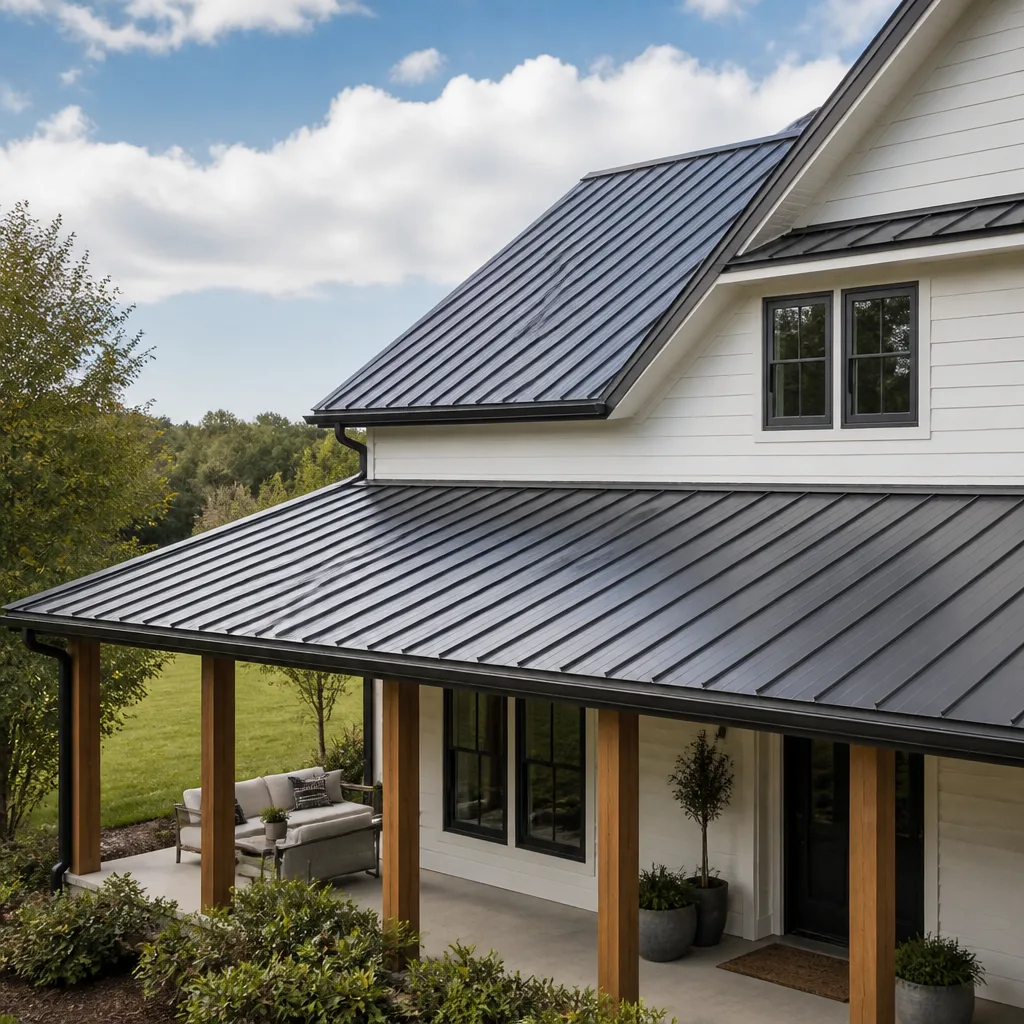 Metal roofing
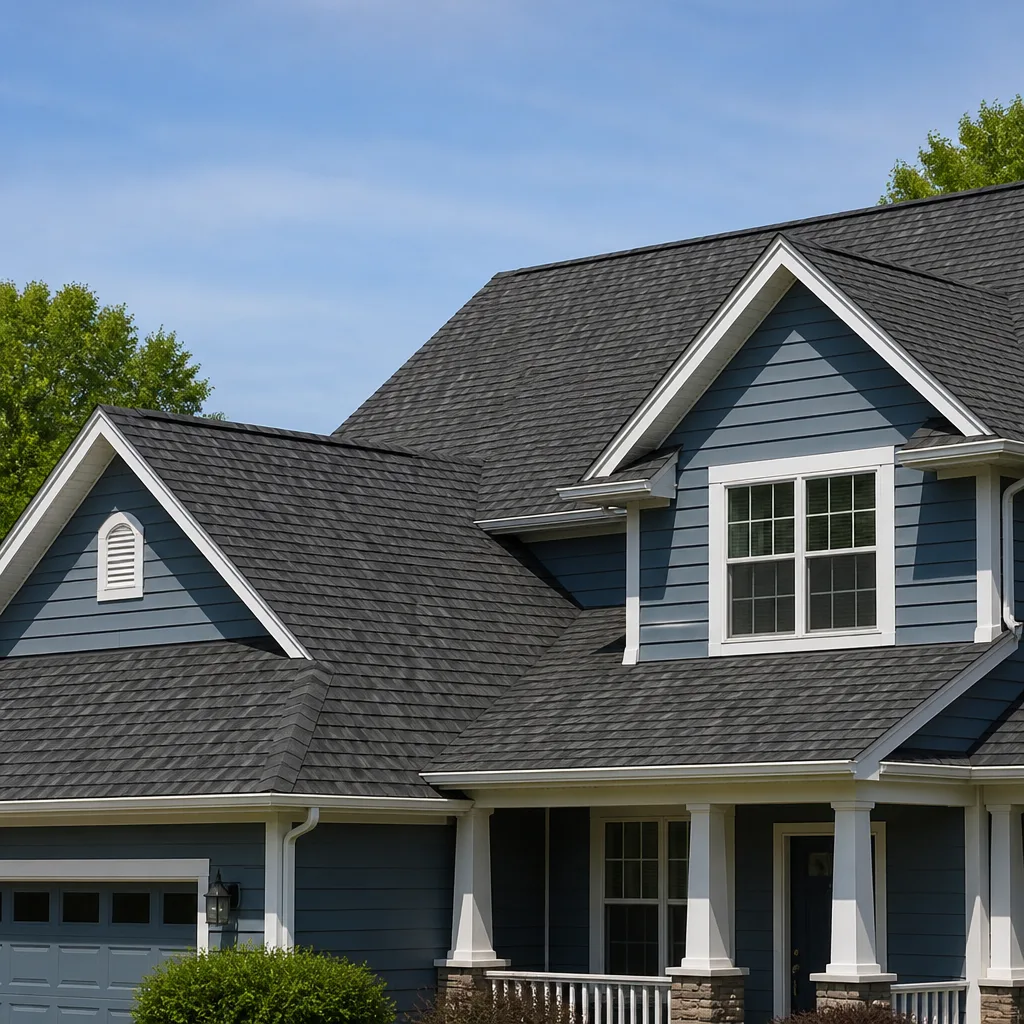 Architectural shingles
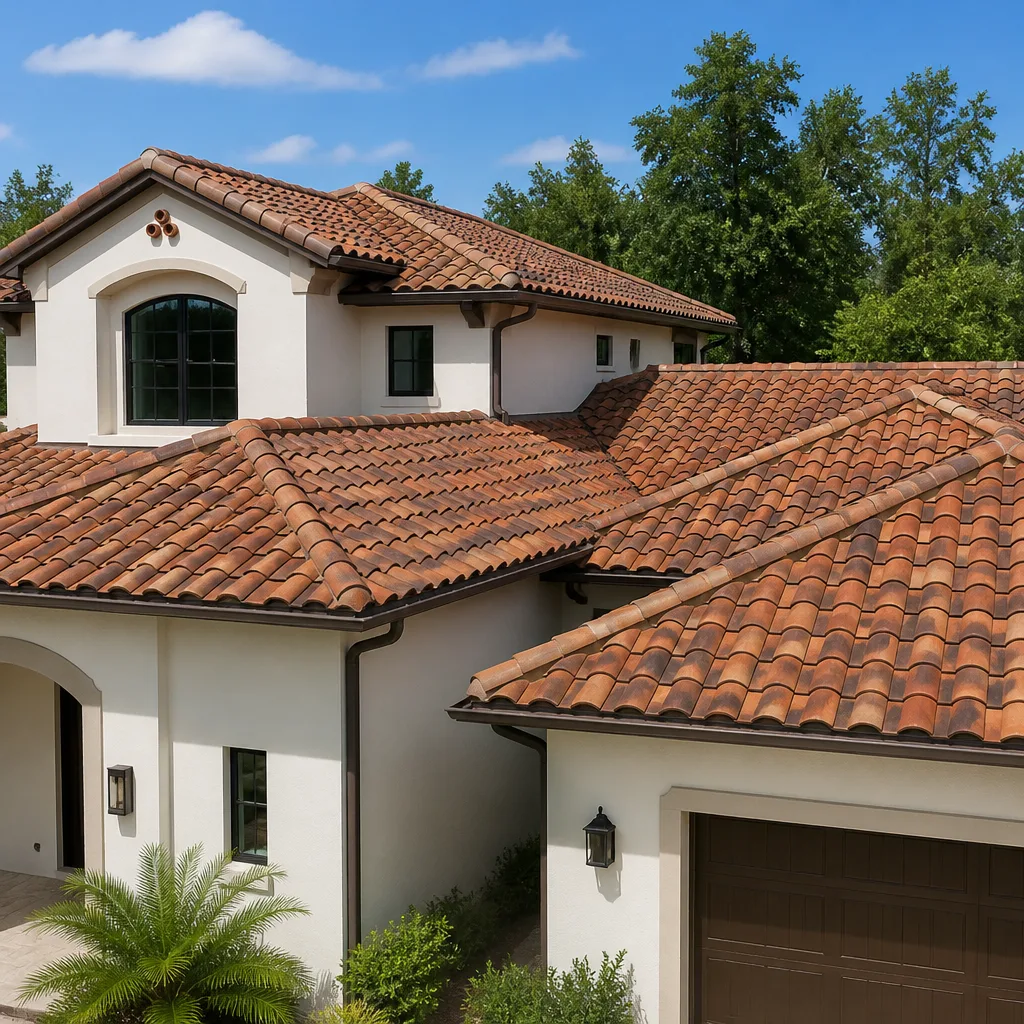 Tile roofing
 GAF
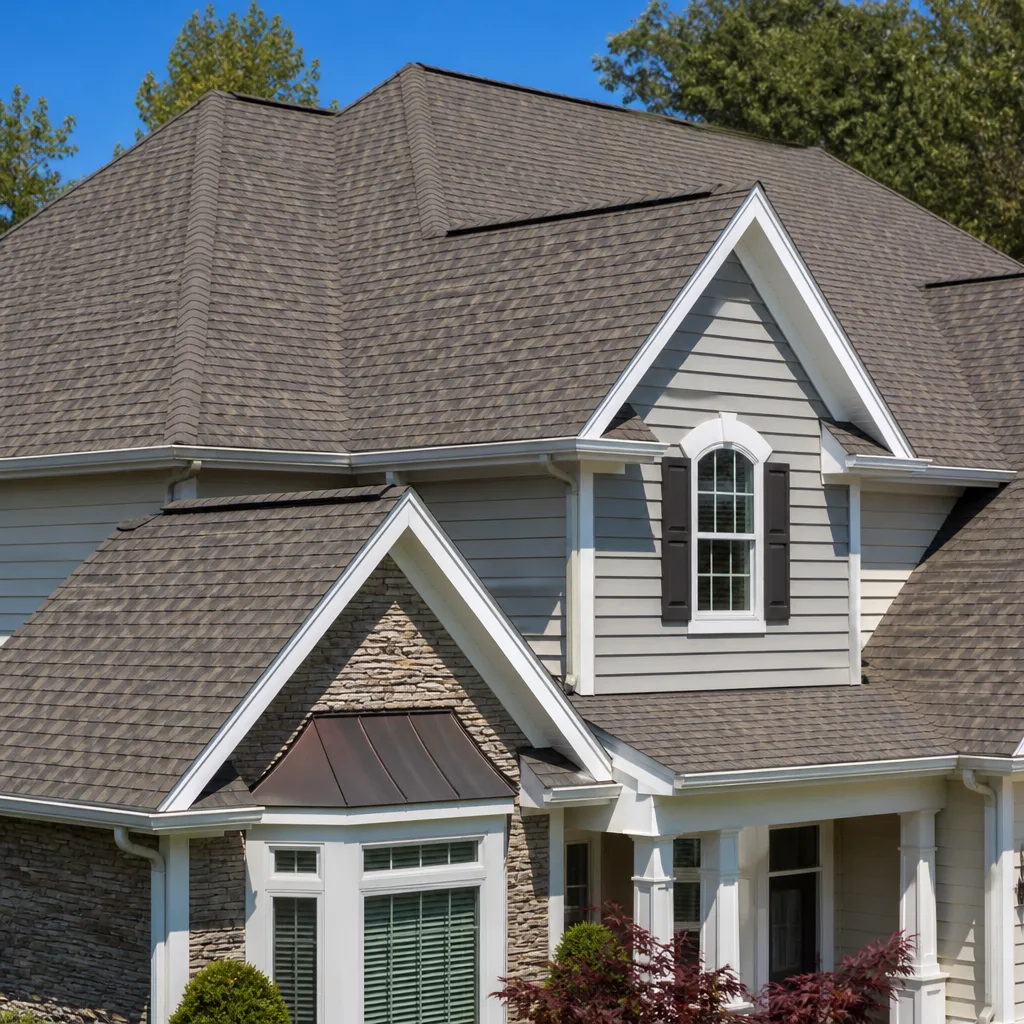 Owens Corning
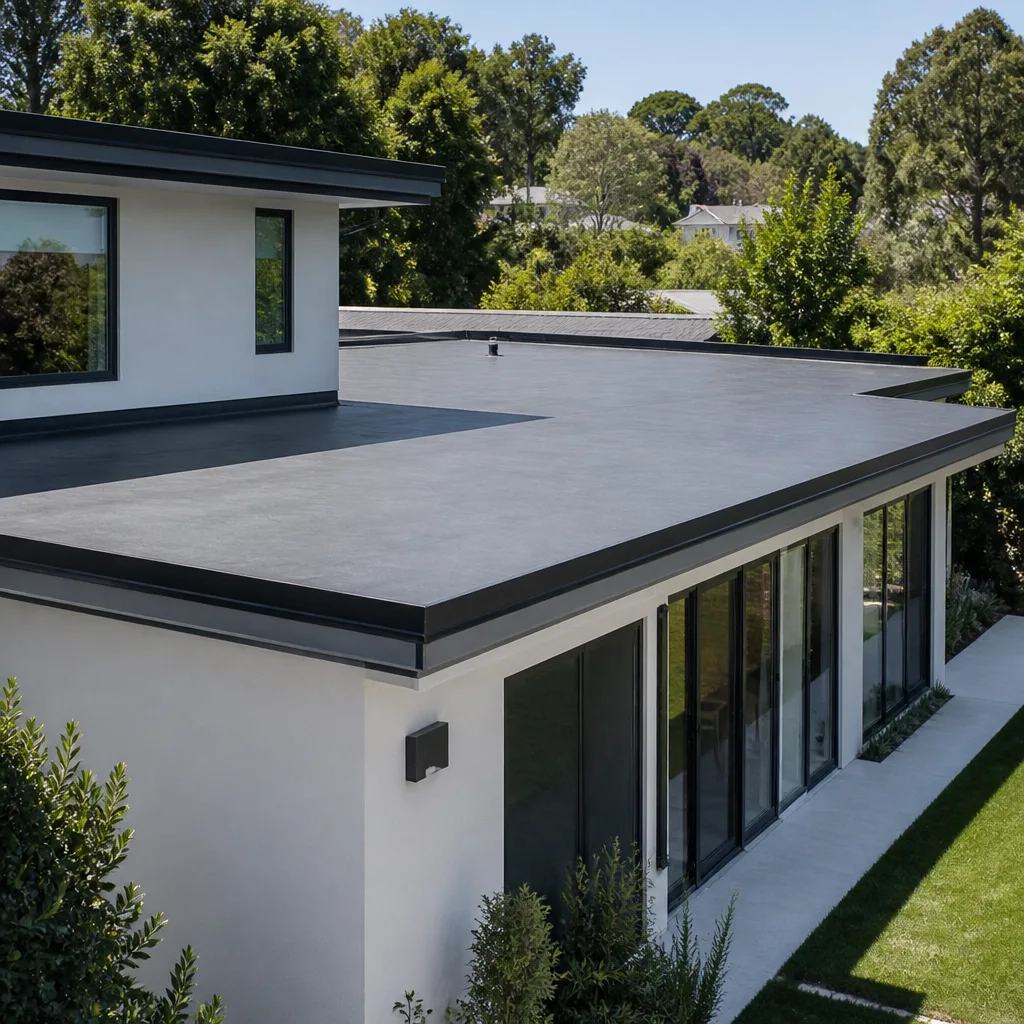 Flat & low-slope
Free roof inspection with deck photos before we talk money - GAF and Owens Corning certified installation
DIY vs Professional Specialty Roofing: What’s Safe to Do Yourself
Clearing debris from a tile roof is a legitimate DIY task. Walking that same tile roof without knowing where the load path runs can crack three tiles for every one you planned to inspect, and those hairline cracks won’t show themselves until the next monsoon pushes water sideways through the field. That gap between what looks harmless and what actually damages a specialty roof is the whole conversation. This guide draws a hard line, task by task, across tile, foam, and metal. You’ll learn which jobs you can safely handle, which repair scopes trigger a Henderson permit even on your own home, and how a small undocumented DIY fix can cost you at resale or claim time.
Quick Answer
Light cleaning, ground-level visual checks, and minor caulking around boots and penetrations are safe for most Henderson homeowners to do themselves. Anything that requires walking the field of a tile roof, cutting or recoating foam, cutting into metal panels, or resetting flashing is professional work, and on many repair scopes it’s permit-triggered work. The dividing line isn’t your skill level. It’s whether the task preserves the manufacturer warranty on your roofing system or quietly voids it.
Styles & brands we work with
- Architectural shingles
- Metal roofing
- Tile roofing
- GAF
- Owens Corning
- Flat & low-slope
Table of Contents
- The Line That Matters: Warranty, Not Skill
- Tile Roofs: Safe, Conditional, and Professional-Only Tasks
- Foam Roofs: Where DIY Does Real Damage Fast
- Metal Roofs: Fasteners, Panels, and Walk Lines
- Henderson Permit Triggers for Repair Scope
- The Fall Risk on Low-Slope Henderson Roofs
- What to Photograph Before You Touch Anything
- How DIY Repairs Are Documented, and Why the Gap Matters
The Line That Matters: Warranty, Not Skill
Most homeowners frame the DIY question around capability: can I physically do this? That’s the wrong question. The question that actually costs money is: will the manufacturer honor my warranty system after I’m done?
Modern roofing materials are warranty systems, not just products. When you buy GAF, CertainTeed, or Owens Corning through an authorized installer, the material warranty is often enhanced with a system warranty that covers labor and installation defects alongside the shingles or panels. Those enhanced warranties have installation requirements: proper underlayment, specified fasteners, correct ventilation, and workmanship by a qualified installer.
Here’s the part that surprises people. A homeowner’s own repair can void the warranty on the affected area, and sometimes on the whole slope, without any visible sign that anything was done. If you seal a penetration with the wrong caulk, that’s a defect. If you replace a cracked tile with a mismatched one and skip the underlayment check beneath it, that’s a defect. The warranty claim you file two years later gets denied for a reason you’ll never fully understand.
At Ridgeline Roofing Co. Henderson, we install authorized systems from seven manufacturer lines, and we’ve walked plenty of Henderson roofs where a small DIY fix closed a warranty door that cost more than the repair would have. That’s not a scare tactic. It’s the mechanics of how these warranties work. Knowing where the line sits is the first thing to nail down before you pick up a tool.
Tile Roofs: Safe, Conditional, and Professional-Only Tasks
Tile is the most common specialty roof in Henderson, and it’s also the one where DIY work is most misunderstood. The tile itself is durable. The system around it is delicate. Each tile sits on a fastening and underlayment assembly, and walking the field distributes load in ways that are invisible from the ground.
- Debris clearing from a low, reachable edge – Safe. Use a soft broom. Never a pressure washer or a metal rake.
- Ground-level visual inspection with binoculars – Safe. Look for slipped, cracked, or missing tiles and note exactly where.
- Cleaning gutters and valley outlets from a ladder – Safe with caution. Keep three points of contact and stay off the field.
- Replacing a single slipped tile at the eave – Conditional. Only if you can reach it from a ladder without stepping onto the field, and only if you know the fastening system.
- Walking the tile field – Professional-only. Load path, foot placement, and tile brittleness in Henderson heat make this a specialist skill.
- Flashing adjustment or replacement – Professional-only. Flashing is the actual waterproofing. Tiles are the armor over it.
- Underlayment repair – Professional-only. This means removing tiles, and reinstalling them correctly is half the trade.
We regularly see Henderson tile roofs where spring winds and dry heat have loosened tiles at the ridge, and the homeowner’s instinct is to walk up and reset them. The field of a tile roof can be walked safely by an experienced technician who knows where the load-bearing battens run and how to distribute weight. Without that knowledge, the tiles crack underfoot, and the cracks are microscopic until the summer monsoon arrives and the water finds them. If your roof needs real work, our team handles Specialty Roofing in Henderson with photo-documented inspections so you have a record of what was found and what was done.
Foam Roofs: Where DIY Does Real Damage Fast
Spray polyurethane foam roofs are common on low-slope homes here, and they’re the specialty material where DIY does the most damage in the shortest time. Foam is a coating system. The acrylic or silicone coating on top is what protects the foam underneath from UV, and the foam is what provides the insulation and waterproofing.
When a homeowner patches a foam roof with the wrong product, three things go wrong: the patch doesn’t chemically bond to the existing coating, the foam underneath begins to absorb moisture at the seam, and the manufacturer warranty on the coating system is voided for the area.
- Visual inspection from the ground or roof edge – Safe. Note any bubbling, cracking, or ponding.
- Clearing debris from drains and scuppers – Safe. Make sure water can leave the roof.
- Cleaning with a soft broom – Safe. No solvents, no pressure washing.
- Recoating – Professional-only. The coating must be applied to spec, or the whole system warranty fails.
- Patching or filling – Professional-only. Foam patching requires the correct product for the substrate.
- Walking the foam field in summer heat – Professional-only with protective footwear and load awareness.
In Henderson, foam roofs take a beating from UV exposure and the summer heat that pushes surface temperatures well past what a coating was designed for. We see coating failures accelerate on south- and west-facing slopes. A homeowner patching a small crack on the south slope with a hardware-store product often creates a bigger problem than the crack ever was.
Metal Roofs: Fasteners, Panels, and Walk Lines
Metal roofs are generally the most DIY-friendly specialty material, but only if you understand which tasks sit on the safe side of the line. The panels are durable. The fasteners and the seams are where leaks start.
- Cleaning debris and gutters – Safe. Soft brush, ladder work from the edge.
- Visual inspection of fasteners and seams – Safe. Check for backed-out screws or lifted seams from the ground.
- Tightening or replacing exposed screws on a white-roof panel, with access from a ladder – Conditional. Only if the screw head is intact and you use the correct sealing washer.
- Cutting or modifying a panel – Professional-only. Panel cuts create leak points and flashings that must be installed correctly.
- Sealing a seam or flashing – Professional-only. Seam sealants are specific to the metal type.
- Walking a steep-pitch metal roof – Professional-only. Metal is the most slippery surface in the trade when it’s hot or dew-covered.
If your metal roof needs attention beyond a quick visual, our Roof Repair in Henderson team can assess it with a documented inspection rather than an educated guess. Metal also happens to be where fasteners from the wrong alloy can eat through the panel over time, which is the kind of thing an inspection catches before the leak does.
Henderson Permit Triggers for Repair Scope
Here’s a question most homeowners never ask: does a repair on my own home need a permit? The answer in Henderson is often yes, and the trigger is not the square footage. It’s the scope.
Generally, cosmetic repairs and small patching fall outside permit scope. Structural repairs, deck replacement, and full re-roofs do not. A roofer pulling a permit on your behalf means the work gets inspected. A homeowner doing the same work without a permit means the work goes unverified, and that gap can come back at resale or in a claim.
- Full re-roof or large section replacement – Permit required.
- Structural sheathing or decking repair – Permit required.
- Flashing replacement on a substantial scale – Typically permit-triggered.
- Small patching, caulking, and single-tile replacement – Usually not permit-triggered.
- Any repair above a defined dollar threshold or square footage – Check before you start.
The exact thresholds are set by the Henderson building code, and they do change. The safe move is to call the permitting office before any repair that isn’t purely cosmetic. When we do a Roof Replacement & Installation in Henderson, we pull the permits and pass the inspections as standard practice. That paperwork is one of the things a buyer’s inspector will check, and it’s one of the strongest reasons a licensed contractor is worth the money on anything that touches the structure.
The Fall Risk on Low-Slope Henderson Roofs
Low-slope roofs are where homeowners get hurt, and the reason is counterintuitive. A low-slope roof feels safe. It doesn’t look like the steep, dramatic roofs you see in roofing company ads. But the footing on a low-slope roof here is often worse than on a steep one.
Summer heat bakes a low-slope roof to a surface temperature that will burn through a foot in seconds. Foam roofs and acrylic coatings get slick. Metal is slicker. And the pitch doesn’t change the fall distance. A homeowner who falls from a 3:12 roof and one who falls from a 12:12 roof hit the ground the same way.
Add the wind that sweeps across the valley and the afternoon gusts that come up fast in spring, and the picture gets clearer. The low-slope roofs in Henderson are not the safe option. They’re the ones where homeowners take chances because the height feels manageable. The trained technicians who inspect roofs for us are on these surfaces regularly, and they treat every one of them as a fall risk. Any homeowner planning to step onto a roof of any pitch should ask whether the task is genuinely worth the exposure, because in our experience, most of them aren’t.
What to Photograph Before You Touch Anything
If you’re going to do a DIY task on your roof, document it before your hands touch a tool. This is the single most useful habit we recommend for Henderson homeowners who want to stay on the safe side of the DIY line.
The reason is simple: if you call a contractor after the fact, that contractor can’t tell what was there before you started. The photos give them a clean baseline. Without them, any issue found after a DIY touch becomes a mystery, and warranty claims and insurance conversations get harder.
- Take a wide shot of the whole roof from the ground. Note the date and time.
- Take close-up shots of any area you plan to touch. Move in from two angles.
- Photograph the specific item or tile before you remove it. Show the location in the frame.
- Photograph after the work. Wide and close, same angles.
- Write a short note of what you did and when. Product names, quantities, and date.
- Keep the note and photos together. Digital is fine, but keep it searchable.
When we inspect roofs through Ridgeline Roofing Co. Henderson home, we photograph the actual roof from the actual roof, not from the driveway. That’s the level of documentation that holds up when a claim, a warranty, or a resale inspection is on the line.
How DIY Repairs Are Documented, and Why the Gap Matters
A licensed repair produces a paper trail. An invoice, a permit, an inspection report, a warranty registration, photos. A DIY repair produces nothing unless you make it produce something, and the gap in that paper trail matters in two specific situations.
The first is resale. When a buyer’s inspector walks a Henderson home, they look for signs of unpermitted or undocumented work. Fresh caulk around a flashing is a flag. A mismatched tile is a flag. A repair without a permit when the scope required one is a flag. None of these will necessarily kill a sale, but every one of them invites a negotiation, a request for a credit, or a second inspection.
The second is an insurance claim after a storm. If your policy covers storm damage but excludes poor workmanship, an adjuster assessing a leak has to decide which caused the water intrusion. A DIY patch from two years ago that has now failed looks exactly like poor workmanship. Without documentation showing what was done and when, you may end up covering a repair your policy would otherwise have paid for.
The 90-Day Done Right Promise we back every job with exists partly for this reason. A written workmanship guarantee with no paperwork and no arguing means that if something isn’t right, we come back and make it right. That’s the opposite of the gray area a DIY repair leaves behind.
Common Mistakes to Avoid
- Walking a tile field without knowing the load path. The most common way Henderson homeowners crack a dozen tiles in one afternoon. The cracks are invisible until monsoon season finds them.
- Patching foam with a product that doesn’t match the coating. The patch fails at the bond, the foam underneath absorbs water, and the warranty on that area is voided.
- Pressure washing a specialty roof. Pressure washing drives water into tile underlayment, strips foam coating, and can damage metal panel finishes. A soft broom is the correct tool.
- Skipping the permit on a scope that requires one. Henderson permit triggers aren’t always obvious, and a missed permit shows up at resale or in a claim.
- Treating a low-slope roof as the “safe” roof. Low slope does not mean low fall distance. Hot surfaces and slick coatings make the footing here some of the worst in the trade.
- Not photographing before and after. Without a documented baseline, any issue found later becomes a guessing game your contractor can’t resolve from memory.
- Sealing flashing with the wrong product. Flashing is the actual waterproofing, and the wrong sealant creates a leak where there wasn’t one.
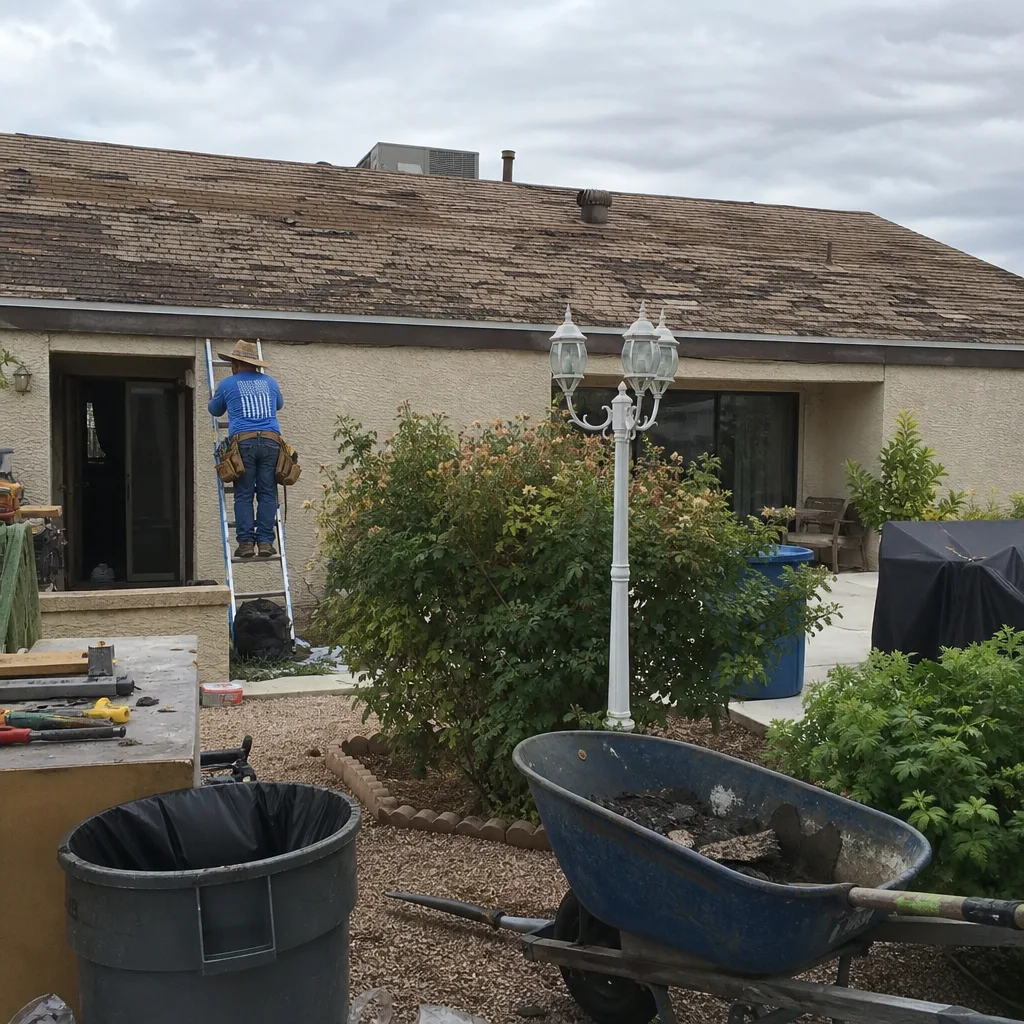
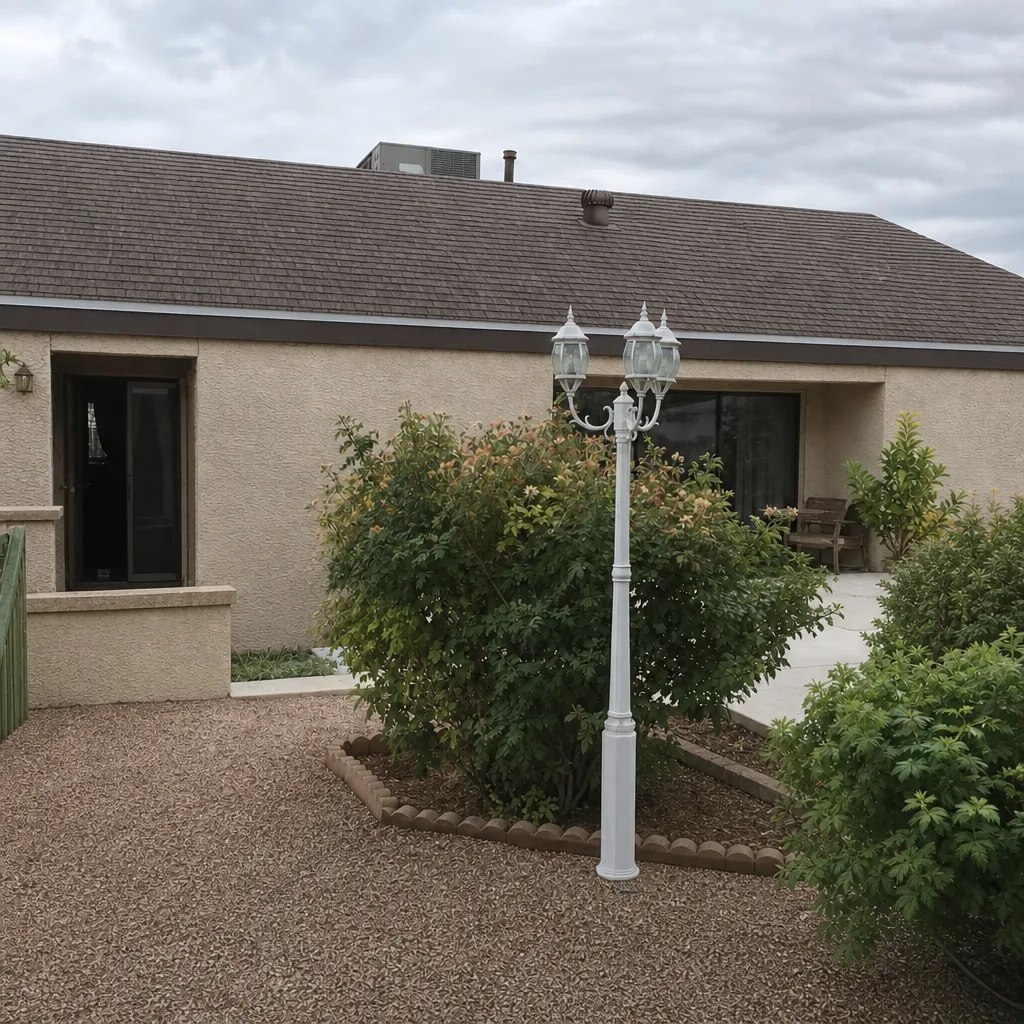
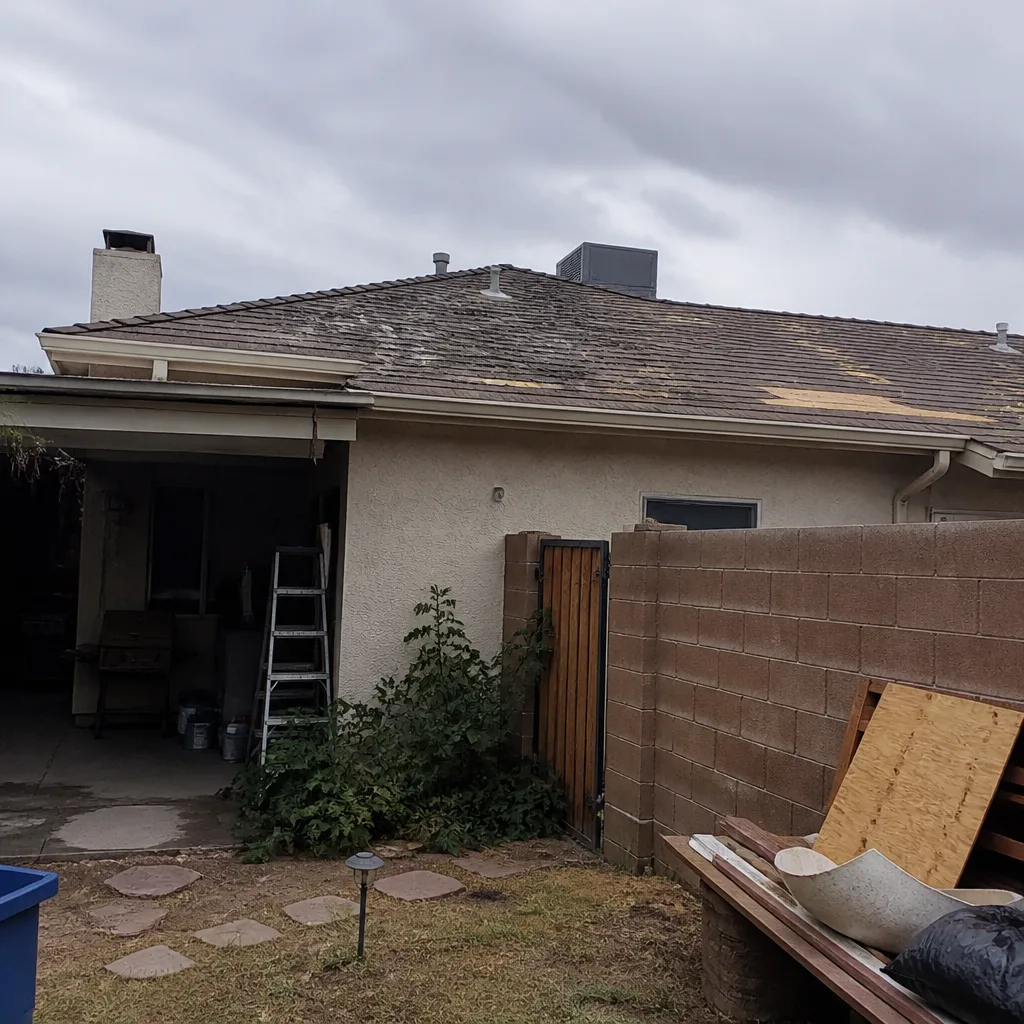
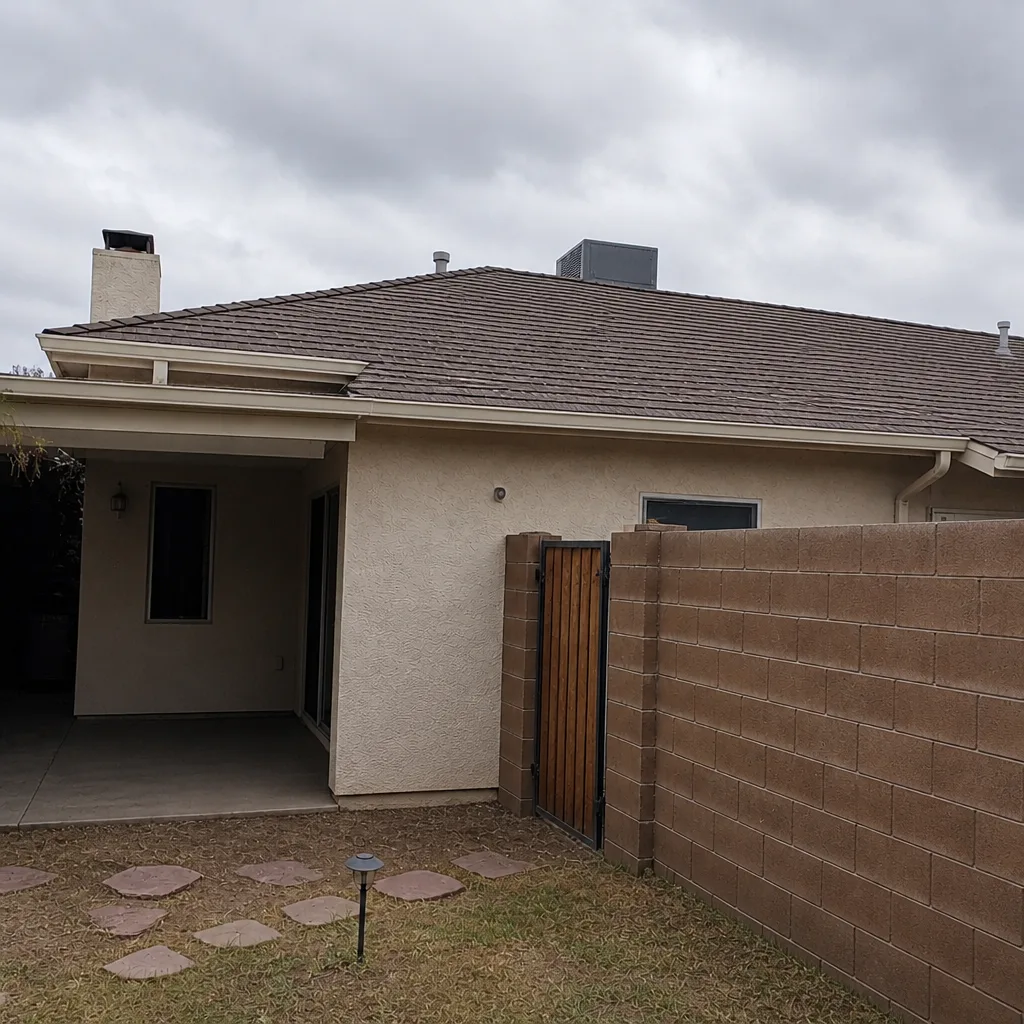
See the difference
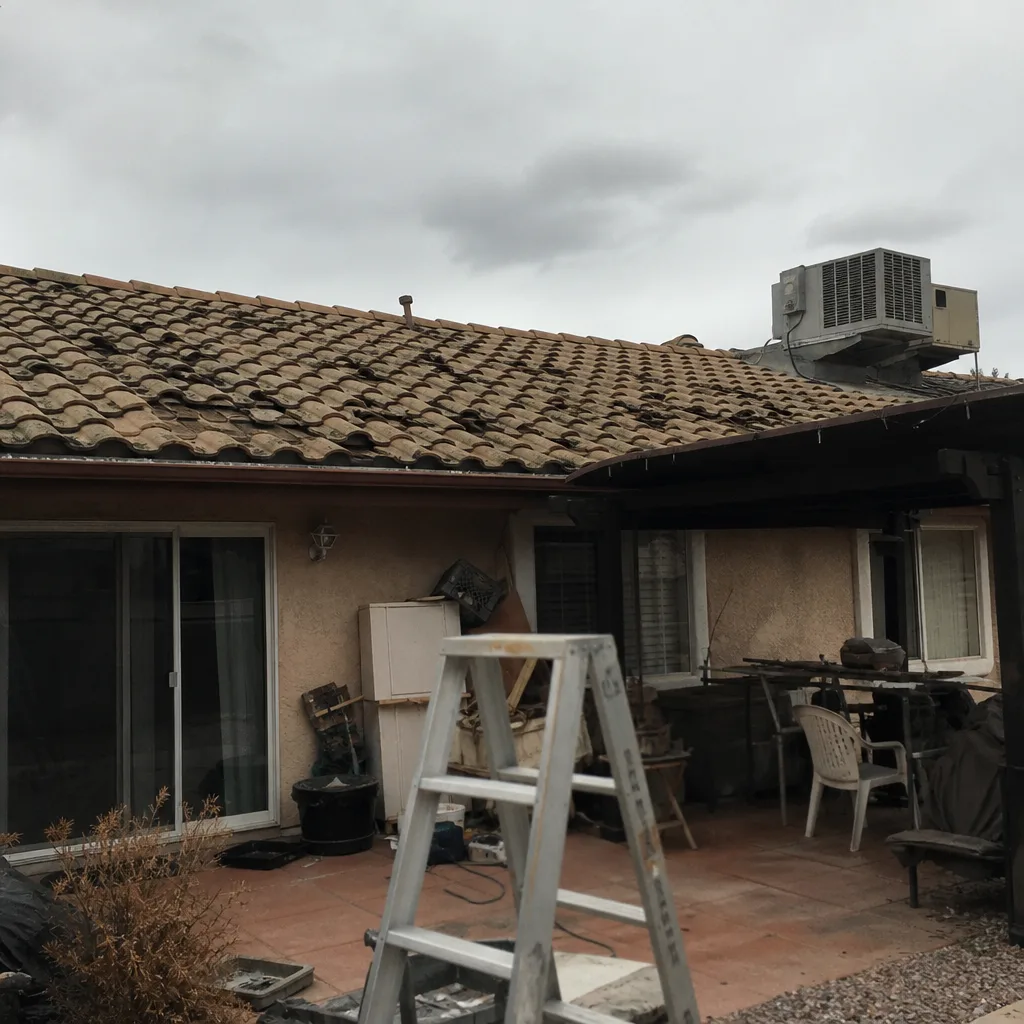 Before
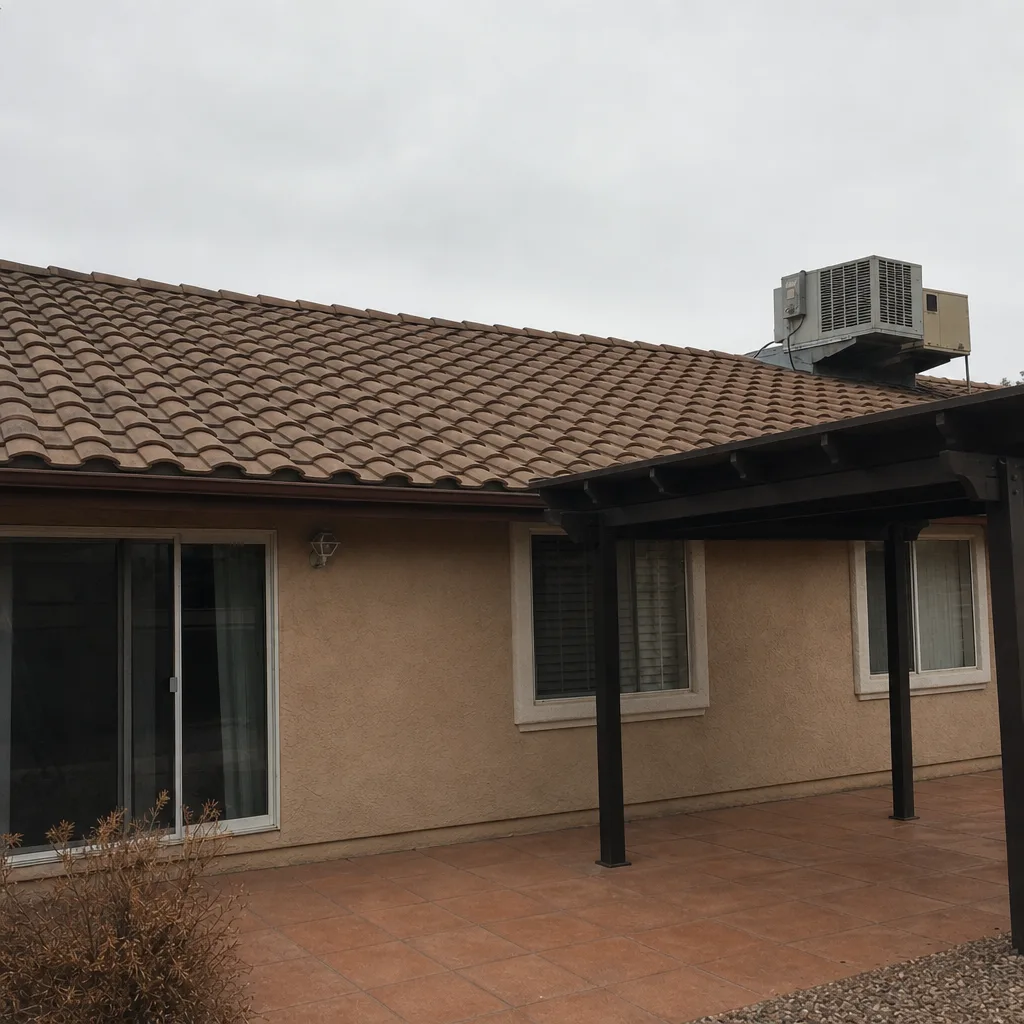 After
 Before
 After
 Before
 After
When to Call a Professional
Call us when the task requires walking the field of a tile roof, cutting or coating foam, modifying a metal panel, resetting flashing, or opening up the underlayment system. Those are warranty-critical and often permit-triggered jobs, and the cost of getting them wrong is a leak that shows up months later. Call us when your repair scope is unclear, when you’re unsure whether the repair needs a permit, or when you’re planning to sell the home within a few years and need documented work. Call us when you’d rather not climb at all, which is a perfectly good reason. Ridgeline Roofing Co. Henderson offers free estimates in Henderson, and our technicians have up to 10 years of experience. Call (833) 691-6717 to schedule a walkthrough. Live phones around the clock, free second opinion on any written estimate, and a square deal: the price we quote is the price you pay.
Frequently Asked Questions
Light cleaning, ground-level visual inspections, ladder-access debris clearing, and minor caulking around boots are safe for most homeowners. Anything requiring walking the field of a tile roof, cutting or recoating foam, or modifying metal is professional work. The line is warranty preservation as much as physical safety.
It can, depending on scope. Full re-roofs, structural sheathing or deck repairs, and substantial flashing replacement are typically permit-triggered even on your own home. Cosmetic patching and single-tile repairs usually aren’t. The exact thresholds are set by the Henderson building code, so confirm with the permitting office before any repair that isn’t purely cosmetic. Call (833) 691-6717 if you’d like us to walk you through what a given repair scope requires.
Minor repairs like a single slipped tile or a caulking job typically fall in the low hundreds, while foam recoating and metal panel work run higher depending on square footage and scope. Every job is different, and the number on the estimate is the number on the invoice. Call (833) 691-6717 for an exact quote – estimates are free.
It can, and often without any visible sign. Manufacturer system warranties carry installation requirements, and a homeowner’s repair can void coverage on the affected area and sometimes on the whole slope. If the warranty matters to you, don’t touch the area without checking the coverage terms first.
Take a wide shot of the whole roof from the ground, close-ups of any area you plan to touch from two angles, and before-and-after shots of the specific item. Write a short note with the date and product used. That baseline is what lets a contractor assess your roof cleanly if you end up calling afterward.
No, and it’s often the opposite. Low slope means low fall distance is unchanged, while hot summer surfaces and slick coatings on foam and metal make footing here worse than on a steep shingle roof. In our experience, low-slope Henderson roofs are where homeowners take the most chances and get hurt most often. Call (833) 691-6717 if you’d rather have a trained technician on it than yourself.
The Bottom Line
The DIY-versus-pro question for specialty roofing is a warranty question first and a skill question second. Light cleaning and ground-level checks are yours to handle. Walking a tile field, coating foam, cutting metal, and resetting flashing are not, because those tasks carry the systems that keep your warranty in force. Photograph everything before you touch anything, confirm the permit scope in Henderson before the repair starts, and treat low-slope roofs with more respect, not less. We install authorized GAF, CertainTeed, and Owens Corning systems because proper materials and documented workmanship are what make the warranty hold. If the job sits on the wrong side of the line, we’ll tell you straight.
Ridgeline Roofing Co. Henderson installs and repairs specialty roofing across Henderson with background-checked, uniformed technicians and photo-documented inspections. Every job is backed by the 90-Day Done Right Promise: a written workmanship guarantee with no paperwork, no arguing, and no runaround. If it isn’t right, we come back and make it right. Call (833) 691-6717 to schedule your free estimate, or ask us for a free second opinion on any written estimate you’ve already received.
Written by the team at Ridgeline Roofing Co. Henderson.