
Last updated November 18, 2026
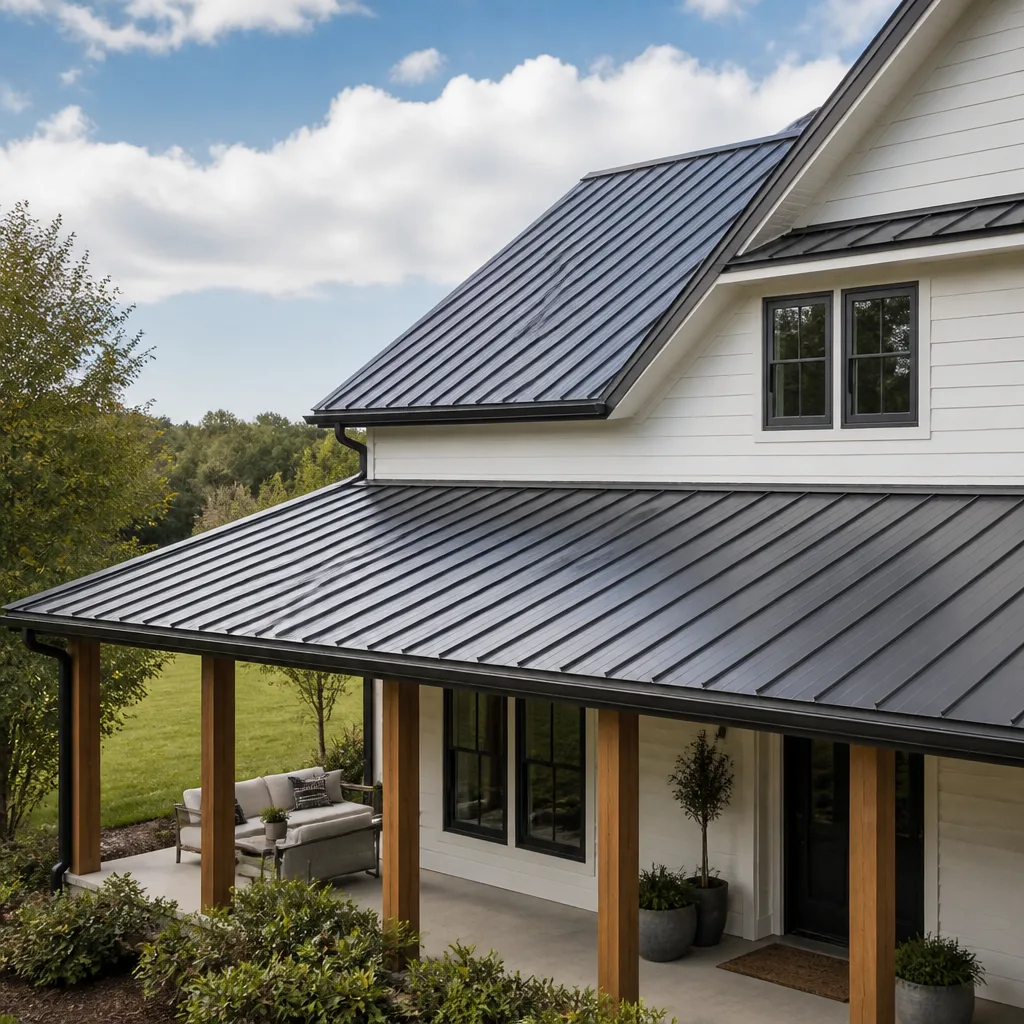 Metal roofing
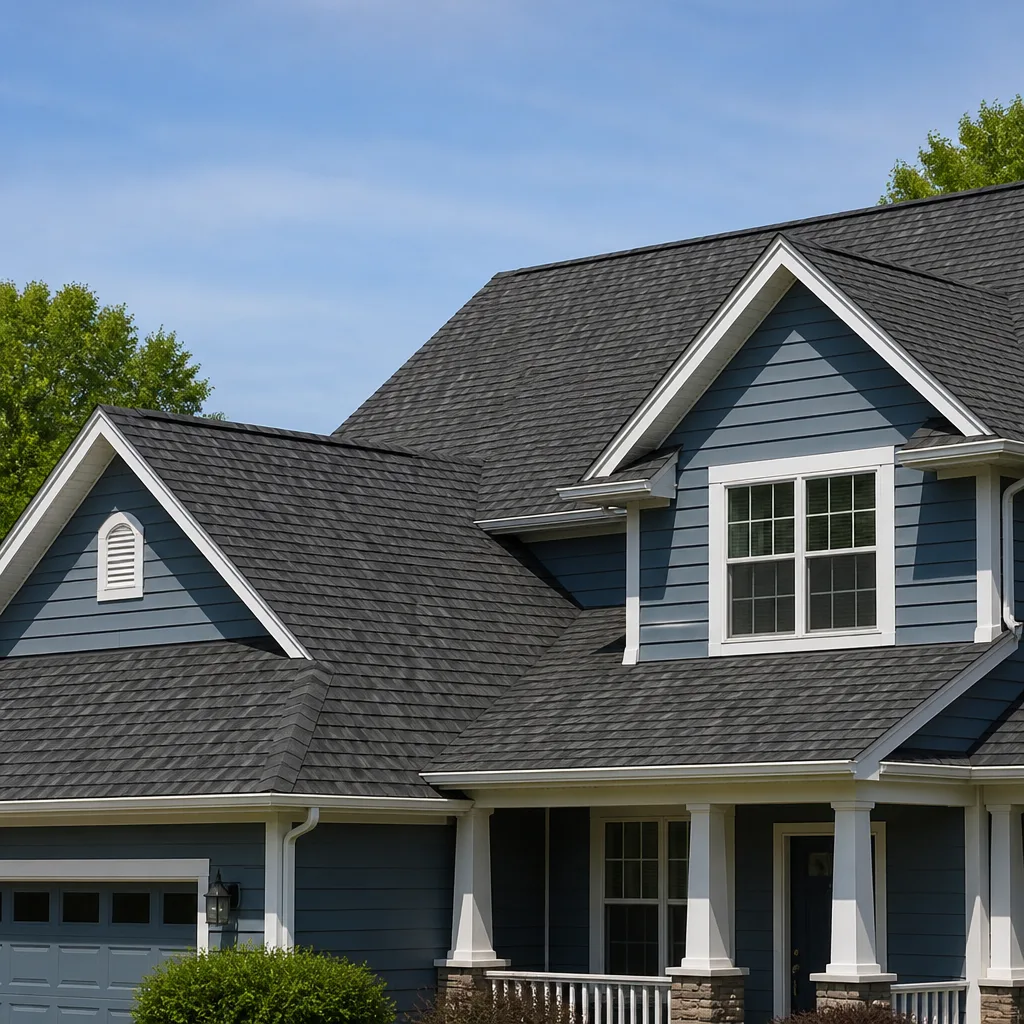 Architectural shingles
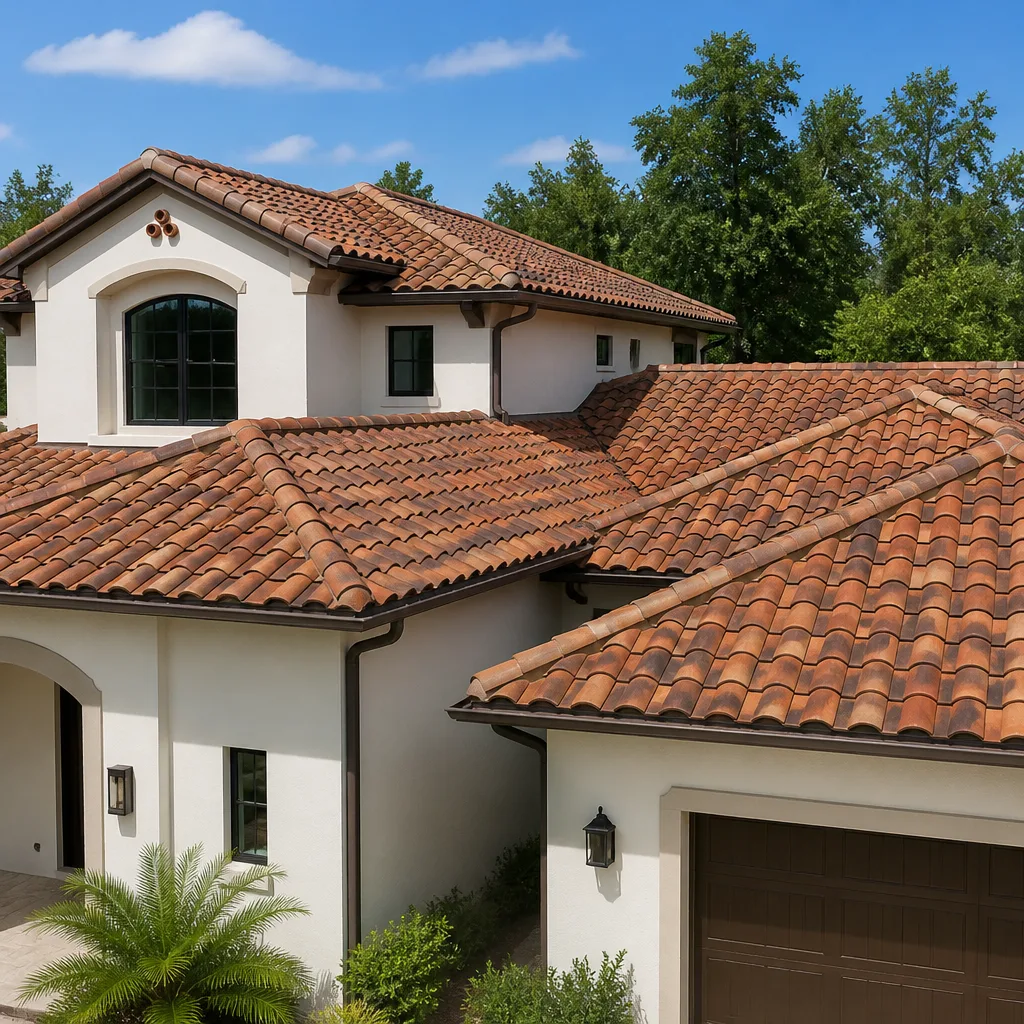 Tile roofing
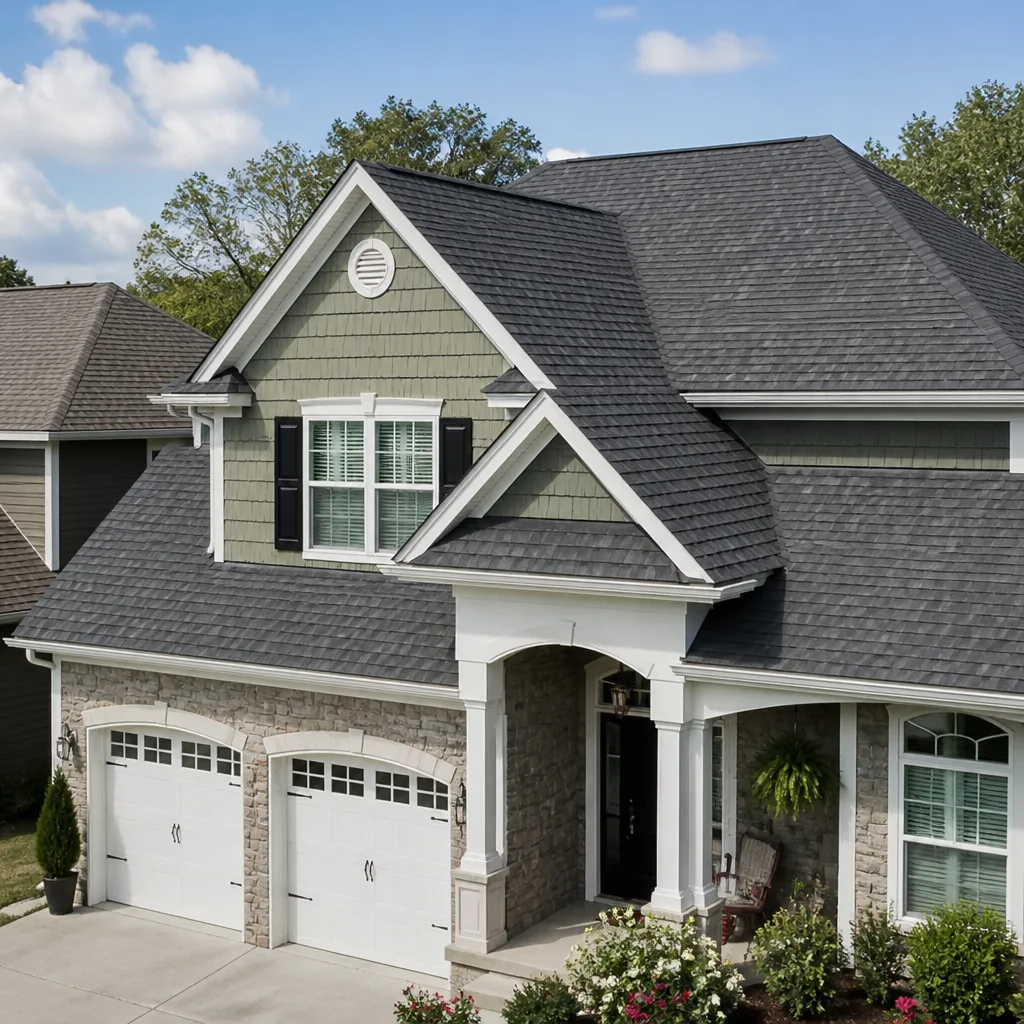 GAF
 Owens Corning
 Flat & low-slope
Free roof inspection with deck photos before we talk money - GAF and Owens Corning certified installation
Choosing the Right Roofing Brand: A Buyer’s Guide for Henderson
A shingle rated Class 4 impact-resistant for a Colorado hail market can still fail early in Henderson, because impact and heat/UV performance are graded on completely different standards. Most brand comparison articles blur that line and sell you a warranty length instead of a roof that survives here. Henderson sits in one of the harshest sun and thermal-cycling environments in the country: summer attic temperatures climb past 150°F, daily swings of 40 degrees are routine, and humidity rarely gets high enough to matter. This guide shows you how to read a shingle’s technical data sheet, which specs actually predict desert performance, how manufacturer warranties transfer when you sell, and how to match brand tier to your home and how long you plan to stay.
Quick Answer
For a Henderson roof, choose a brand on measured solar reflectance, thermal emittance, and accelerated heat/UV weathering results, not on impact rating, algae resistance, or the longest warranty. A mid-tier architectural shingle from a major line, installed with proper ventilation and flashing, generally outperforms a premium shingle chosen for the wrong reason. Match the tier to your home value and planned ownership, and confirm the warranty transfers cleanly before you sign.
Styles & brands we work with
- Architectural shingles
- Metal roofing
- Tile roofing
- GAF
- Owens Corning
- Flat & low-slope
Table of Contents
- How to read a shingle data sheet for Henderson conditions
- Solar reflectance and thermal emittance: what the numbers mean
- Accelerated weathering: the test that predicts desert life
- Brand performance we’ve seen after a decade of Henderson sun
- Why algae resistance shouldn’t drive your choice in Henderson
- Warranty transfer at home sale: clean versus complicated
- Matching brand tier to home value and ownership plans
- Common mistakes to avoid
How to Read a Shingle Data Sheet for Henderson Conditions
Every manufacturer publishes a technical data sheet for each shingle line. Most homeowners never see it, and some contractors never open it. In Henderson, three numbers matter more than anything on the showroom display: solar reflectance index, thermal emittance, and the accelerated weathering result. The data sheet also lists the warranty terms, but warranty length is a marketing figure; the physical test data is what tells you how the shingle behaves under this sun.
Here’s the order we suggest when you’re comparing lines:
- Find the solar reflectance index (SRI) for the specific color, not the product family. Color changes SRI substantially.
- Check thermal emittance. A shingle that reflects sunlight but holds heat still runs hot.
- Read the accelerated weathering section. Look for the test standard cited and the hours or cycles reported.
- Confirm the impact rating separately, and treat it as a secondary spec in Henderson.
- Note the warranty transfer terms at the bottom of the sheet, not just the headline years.
If a contractor can’t produce the data sheet for the product they’re proposing, that’s your first signal. We keep the sheets for every line we install – Ridgeline Roofing Co. Henderson home – and we’ll walk you through the numbers line by line. Named for the ridge, the line where a roof proves itself: that’s where the data sheet earns its keep.
Solar Reflectance and Thermal Emittance: What the Numbers Mean
Solar reflectance measures how much of the sun’s energy a shingle bounces back. Thermal emittance measures how efficiently it releases the heat it does absorb. A roof can score well on one and poorly on the other, and in Henderson’s climate that combination matters. A highly reflective shingle with low emittance still holds heat into the evening, which keeps your attic warm and pushes your cooling bill up through October.
What to look for in practical terms:
- Higher reflectance means less solar energy enters the roof assembly in the first place.
- Higher emittance means the roof sheds absorbed heat faster once the sun drops.
- Color drives both. A light-colored shingle in the same line can outperform a dark one by a wide margin on reflectance.
- Ventilation multiplies the benefit. Good intake and ridge venting do more than any single shingle spec to control attic temperature.
Here’s the part most brand guides skip: Henderson’s low humidity and high altitude change the equation compared with Phoenix or Las Vegas valley floors. Nighttime cooling is real, so emittance gets more of a workout than it would in a more humid climate. Choose a brand that publishes both numbers for each color and doesn’t hide the low performers behind a family average. GAF and CertainTeed both publish color-specific figures that are usable for comparison.
Accelerated Weathering: The Test That Predicts Desert Life
Accelerated weathering tests expose shingles to concentrated UV, heat, and moisture cycles to estimate how they’ll age. This is the closest thing you’ll get to a decade of Henderson sun in a few weeks of lab time. The catch is that different brands cite different test standards and report different units, so the numbers aren’t always directly comparable across manufacturers. That doesn’t make them useless. It means you read them within a brand’s own line and ask what standard was used.
Two things to look for on the data sheet:
- The test standard named. ASTM D4798 and ASTM G154 are common accelerated UV weathering standards. If a sheet cites one, you can ask how the line performed.
- The reported result. Some brands report hours to a visible change; others report a rating scale. Either is fine, as long as the brand is consistent across its own tiers so you can compare within the family.
Beyond the lab numbers, real-world performance in Henderson comes down to installation. Granule loss, blistering, and premature cracking usually trace back to poor ventilation, trapped moisture from a faulty underlayment, or flashing that lets water in behind the field shingles. A shingle with strong lab results installed with shortcuts will still fail early. When we inspect a roof, we document what we find with photos from your actual roof – not a speech in the driveway – so you can see the cause alongside the fix.
Brand Performance We’ve Seen After a Decade of Henderson Sun
Lab data tells part of the story. What we see on Henderson roofs after ten or fifteen years tells the other part. Here’s a practical picture, without pretending every roof is the same:
- Atlas shingles hold their granule coverage well in the heat, and we see fewer early granule-loss complaints on Atlas architectural lines than we’d expect given their price point. Good candidate for mid-tier homes.
- Tamko lines perform reliably but show their age faster on dark colors facing south and west. On a west-facing Henderson slope with a dark color, we lean toward a lighter color in the same line.
- GAF architectural shingles, installed with proper ridge venting, hold up predictably across a decade of Henderson thermal cycling. Their color-specific reflectance data is easy to read, which helps when you’re choosing between two close options.
These observations are drawn from our own work on Henderson roofs, not from manufacturer marketing. Different homes fail differently: a roof under a big shade tree ages slower than one fully exposed on a west slope, and a two-story with a hot attic and poor intake venting ages faster than its neighbor. That’s why we look at the house before we look at the brand.
Why Algae Resistance Shouldn’t Drive Your Choice in Henderson
Algae resistance ratings are tested in humid climates where blue-green algae blooms on northern slopes and streaks shingles dark. In Henderson, our humidity sits in the single digits most of the year and our average annual rainfall is under five inches. Streaking is not the failure mode here. Heat and UV are.
Yet most shingle brands put their premium price bump on the algae-resistant line. You pay more for a copper-infused granule package designed to stop something that barely happens in this climate. That’s money better spent on higher reflectance, better emittance, or stronger ventilation. If a salesperson leads with algae resistance as the reason to upgrade, ask why. In a dry Henderson market, the answer rarely holds up.
This is one of the quiet advantages of working with a contractor who knows the local climate. When we propose a line, we weigh it against the Henderson specific conditions – the sun angle, the attic bake, the drainage patterns from monsoon-season rain that can push water into flashing seams if the install wasn’t done right.
Warranty Transfer at Home Sale: Clean Versus Complicated
Manufacturer warranties transfer, but only if the paperwork follows the rules. Most major brands require the original homeowner to register the roof, keep proof of installation, and complete a transfer form within a defined window after the sale closes. Some brands also require the roof to have been installed by a contractor on their certified installer list – which is one reason we’re an authorized installer of GAF, CertainTeed, Owens Corning, and several other leading lines.
The transfer process step by step:
- Locate the original warranty certificate and installation paperwork before listing the house.
- Check the brand’s transfer deadline. Many are 30 to 60 days after the transfer of title.
- Complete the brand’s transfer form and pay any applicable fee.
- Submit proof of installation, which usually means the contractor’s invoice and material receipts.
- Keep the confirmation letter with the closing documents for the buyer.
Some warranties have fine-print exclusions that complicate sales: labor and workmanship coverage often doesn’t transfer at all, only the material warranty does. That gap is one reason a written workmanship guarantee matters. Our 90-Day Done Right Promise covers our labor, and we make it right if it’s not right – no paperwork, no arguing.
Matching Brand Tier to Home Value and Ownership Plans
Fifty-year shingles aren’t always the right call. The calculus depends on how long you plan to stay and how much the house supports. Here’s a practical framework we use with Henderson homeowners:
- Selling in five to ten years: A mid-tier architectural shingle from a well-regarded line (like Atlas or a Tamko mid-grade) usually delivers the best return. You get a transferable material warranty for the buyer without paying for decades of life you won’t use.
- Staying fifteen years or more: A premium line from GAF or CertainTeed, installed with strong ventilation, is worth the extra cost. You’ll live through the years the premium shingle is still performing while the mid-tier starts to fade.
- High-value home, long ownership: Premium lines with published color-specific reflectance and strong lab weathering data make sense. The buyer at resale is looking for brand names they recognize.
- Modest home, long ownership: A mid-tier shingle with good reflectance and correct installation beats a premium shingle installed with shortcuts every time.
Homes in the older Henderson neighborhoods near Water Street or along the foothills tend to face more intense afternoon exposure from the west, so reflectance gets a bigger weight there. Newer builds in the outer areas often have steeper pitches and different venting, which shifts the calculus. The right answer depends on the house, not just the shingle name.
Common Mistakes to Avoid
- Choosing on warranty length alone. A 50-year warranty means little if the shingle’s UV weathering data is weak for a Henderson roof. Read the data sheet first.
- Paying for algae resistance. Henderson’s dry climate doesn’t support the algae growth these products target. The premium is wasted money here.
- Skipping the ventilation check. A top-tier shingle installed over a poorly vented attic fails faster than a mid-tier shingle with good intake and ridge venting. Ventilation isn’t an upgrade; it’s part of the roof.
- Ignoring color-specific reflectance. Two shingles in the same product line can differ widely on reflectance by color. Compare the exact color you’re choosing.
- Not asking about warranty transfer deadlines. If you’re selling within a few years, verify the brand’s transfer window and what coverage actually transfers before you sign the contract.
- Choosing the lowest bid without comparing scope. Two quotes for the same shingle line can differ by thousands because one skips underlayment or flashing replacement. Compare line items, not bottom lines.
- Falling for storm-chaser timing. A truck that’s in Henderson this week and gone next month won’t be here when the roof needs a callback. Ask where the company will be in five years, and call the number back in the off-season to see if a live person answers. Ours does, at (833) 691-6717.
When to Call a Professional
Call a roofer before you buy shingles, not after. Any of these situations warrant a professional inspection: a roof past fifteen years old in Henderson, a roof with visible granule loss in the gutters, curled or cracking shingles, or unexplained attic moisture after a monsoon storm. If you’re buying or selling a home, a pre-listing roof inspection saves the negotiation headache later. If your insurance adjuster has issued an estimate, getting a second opinion is free and often catches scope gaps. Ridgeline Roofing Co. Henderson offers free estimates in Henderson – call (833) 691-6717, and a live person answers, day or night.
See the difference
 Before
 After
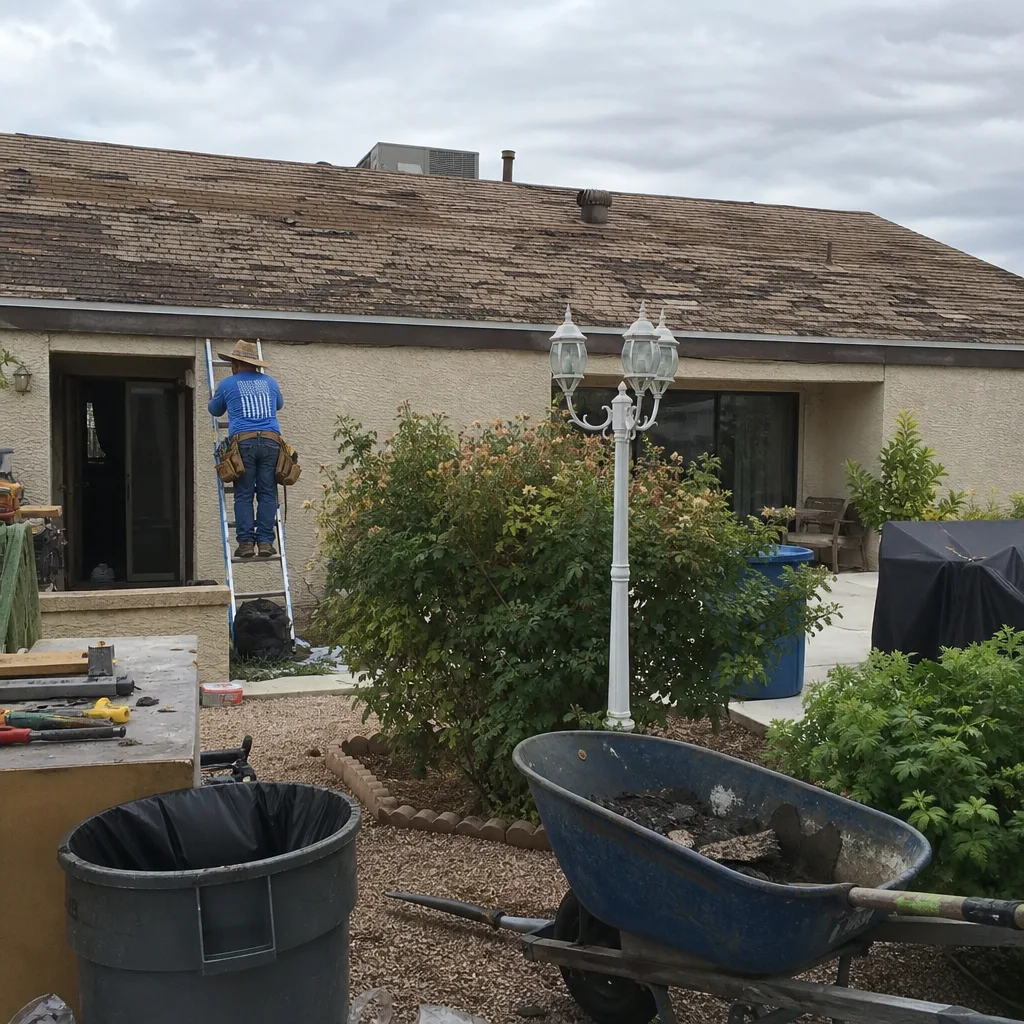 Before
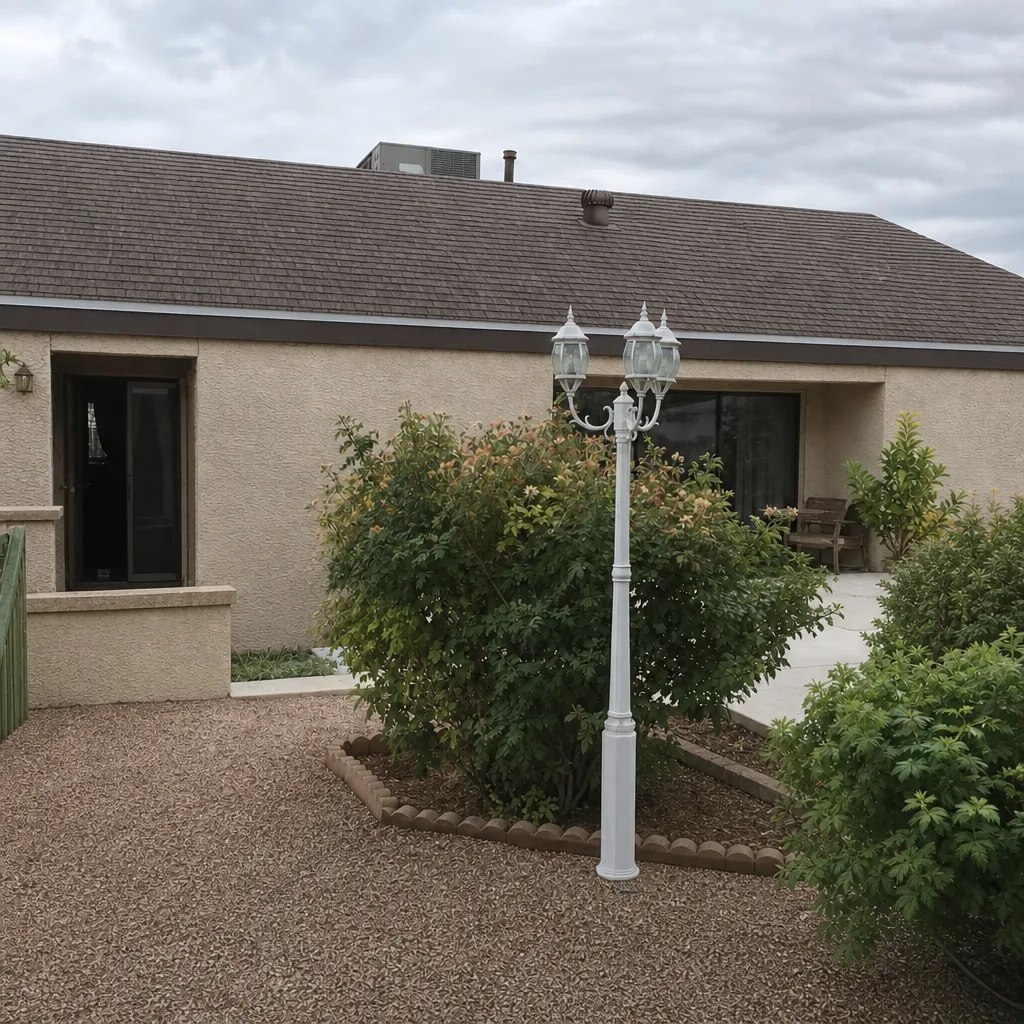 After
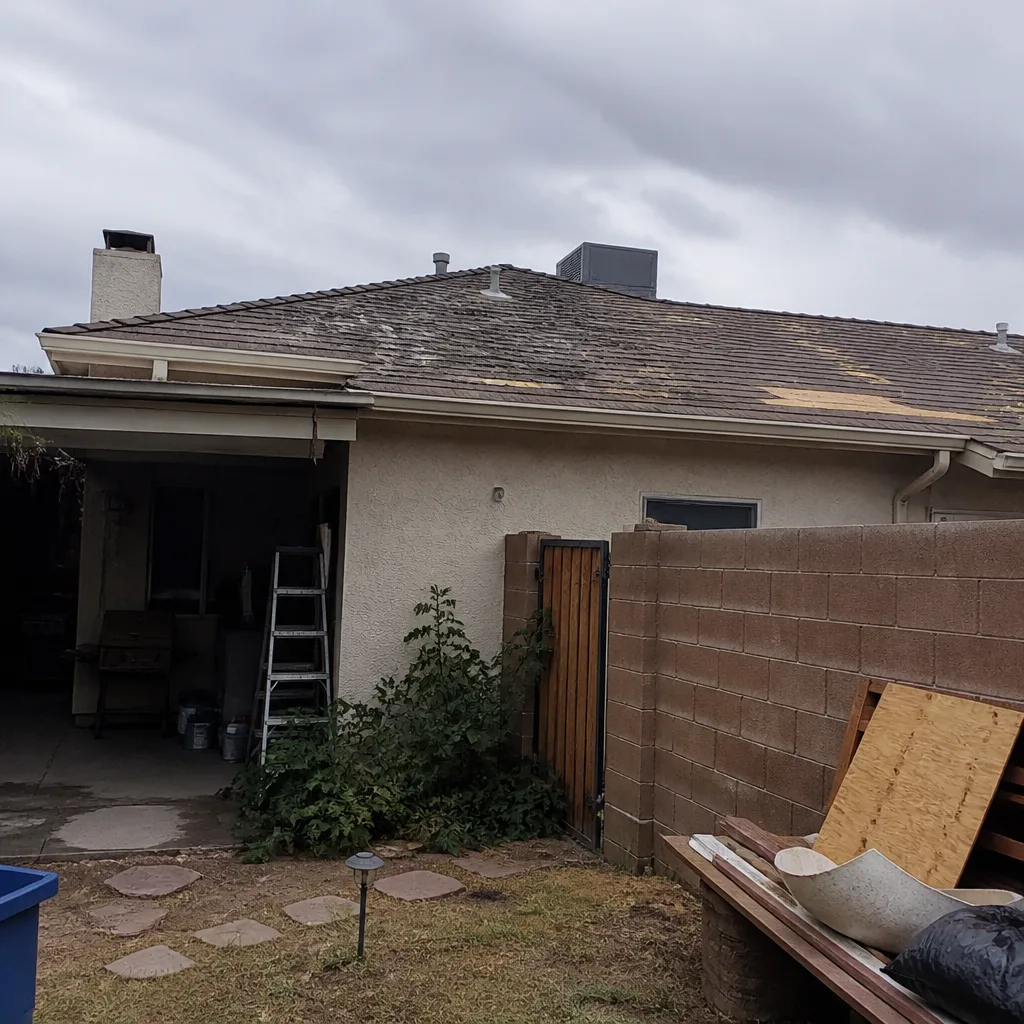 Before
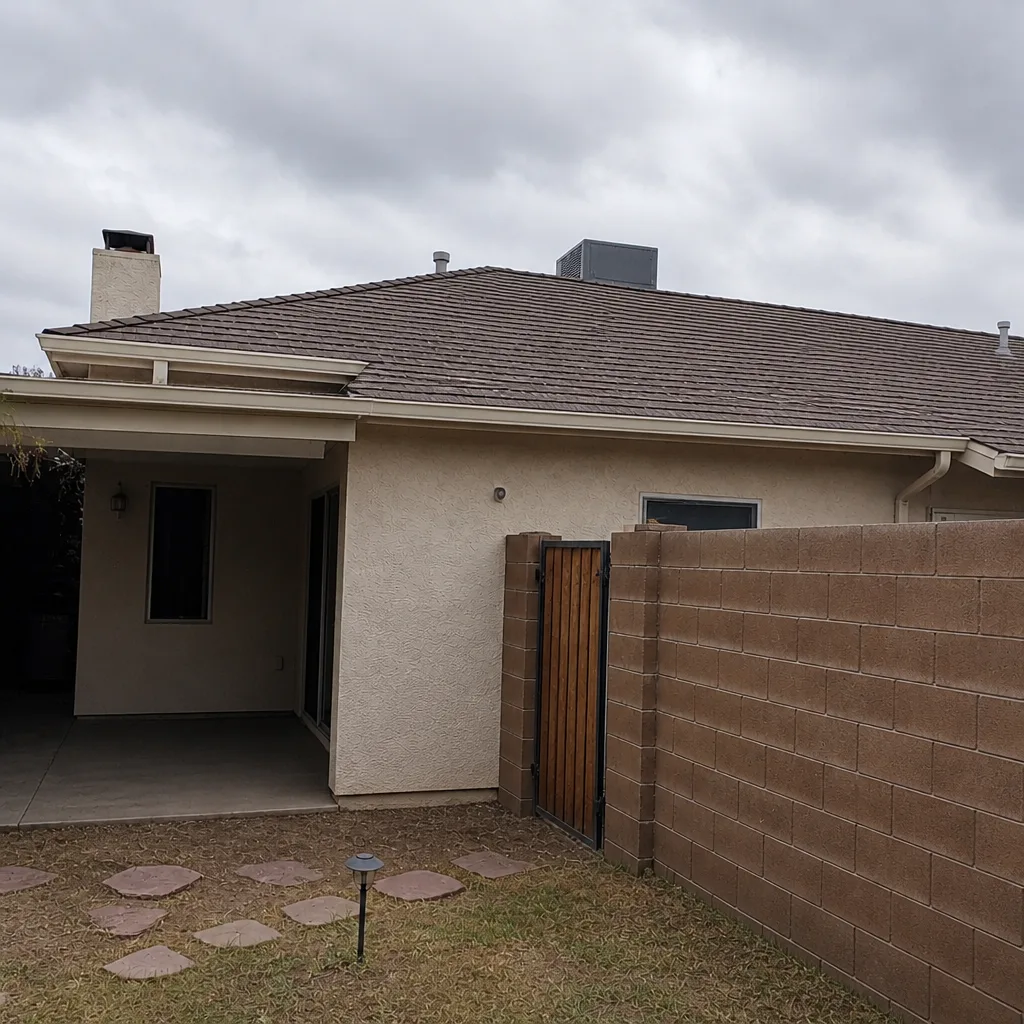 After
Frequently Asked Questions
There’s no single best brand – there’s a best match for your house and your plans. For most Henderson homes, a mid-tier architectural shingle from GAF, Atlas, or CertainTeed, installed with correct ventilation and flashing, delivers the best combination of reflectance, weathering performance, and cost. Premium lines earn their price on high-value homes with owners staying fifteen years or more. Call (833) 691-6717 for a free estimate tailored to your roof.
Less than most brand comparisons suggest. Henderson gets occasional hail, but the dominant stressors are UV exposure and daily thermal cycling, not impact. A Class 4 impact rating is a nice secondary spec; solar reflectance, thermal emittance, and accelerated weathering results predict desert performance far better. Don’t pay a premium for impact rating alone in Henderson.
Because Henderson’s humidity sits in the single digits most of the year and annual rainfall is under five inches. Algae streaking requires sustained moisture to develop, and it doesn’t happen here the way it does in the Southeast or Pacific Northwest. Paying extra for algae-resistant granules diverts money that could go toward higher reflectance or better ventilation, which actually matter in this climate.
Yes, but only if you follow the brand’s process. Most major manufacturers require the original homeowner to register the roof, keep the installation paperwork, and complete a transfer form within a defined window (often 30 to 60 days) after the sale. Material coverage usually transfers; labor and workmanship coverage often doesn’t. Our 90-Day Done Right Promise covers our workmanship separately. Call (833) 691-6717 for a free estimate and we’ll walk you through the warranty details before you sign.
Start with solar reflectance and thermal emittance, both color-specific, then read the accelerated weathering section for the test standard and result. Treat warranty length as a secondary figure, and read the transfer terms at the bottom. If a contractor can’t produce the sheet, ask why before you sign. We provide the data sheets for every line we install as part of the free estimate.
Both, weighted toward how long you’ll stay. A fifty-year shingle on a home you’ll sell in eight years is a poor return; a mid-tier shingle on a home you’ll live in for twenty-five years under-delivers. For most Henderson homeowners, a mid-tier architectural shingle from a recognized line with a transferable warranty is the balanced choice. Call (833) 691-6717 for a free estimate on your specific roof.
The Bottom Line
Choose a Henderson roof by the data, not the display: solar reflectance, thermal emittance, and accelerated weathering results tell you more than warranty length or a showroom pitch. Skip the algae upgrade – it’s not relevant in our dry climate – and put the money into reflectance and ventilation instead. Match the tier to how long you’ll stay, and check the warranty transfer terms before you sign. Installation quality matters as much as the shingle name. We’re an authorized GAF, CertainTeed, Owens Corning, IKO, Atlas, Tamko, and Boral installer, and every job is backed by our written 90-Day Done Right Promise. Get a free second opinion on any written estimate, and call us with questions – we answer.
Get a Free Estimate on Your Henderson Roof
Picking a brand is easier once you know what your roof actually faces. Ridgeline Roofing Co. offers free, no-pressure estimates in Henderson with photo-documented inspections from your actual roof. Our technicians have up to 10 years of experience, and every job is backed by a written 90-Day Done Right Promise. If you have a written estimate from another company, we’ll review it free and tell you honestly whether the scope holds up. Call (833) 691-6717 to schedule your free estimate – a live person answers, 24/7.
Written by the team at Ridgeline Roofing Co. Henderson.