
Last updated November 18, 2026
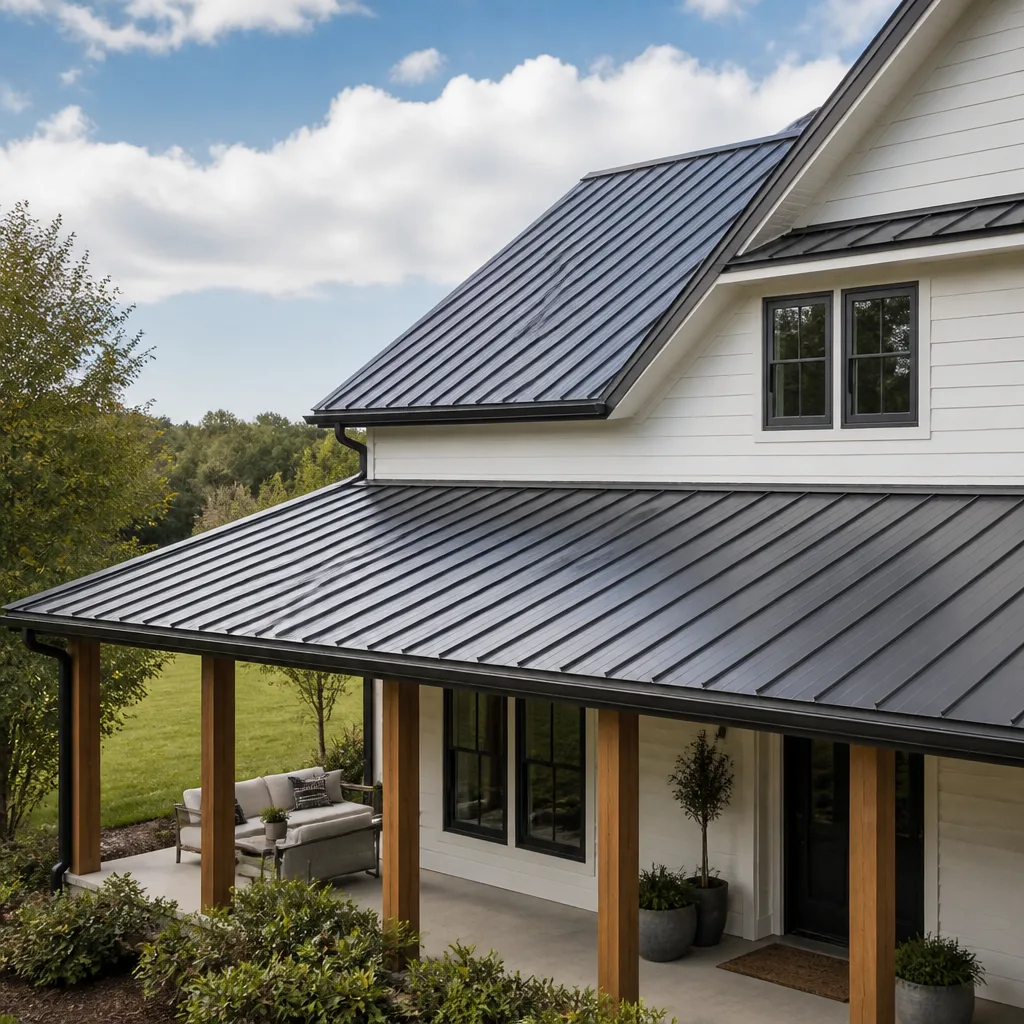 Metal roofing
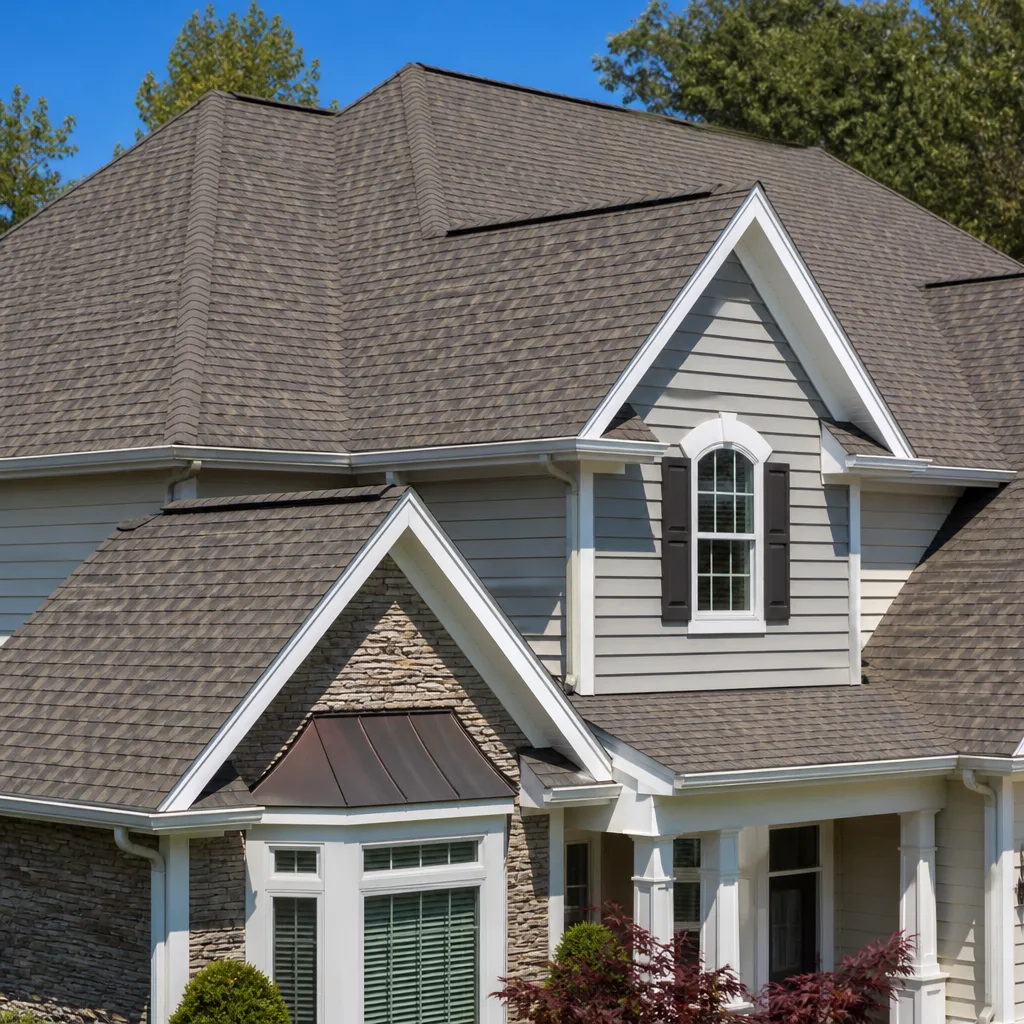
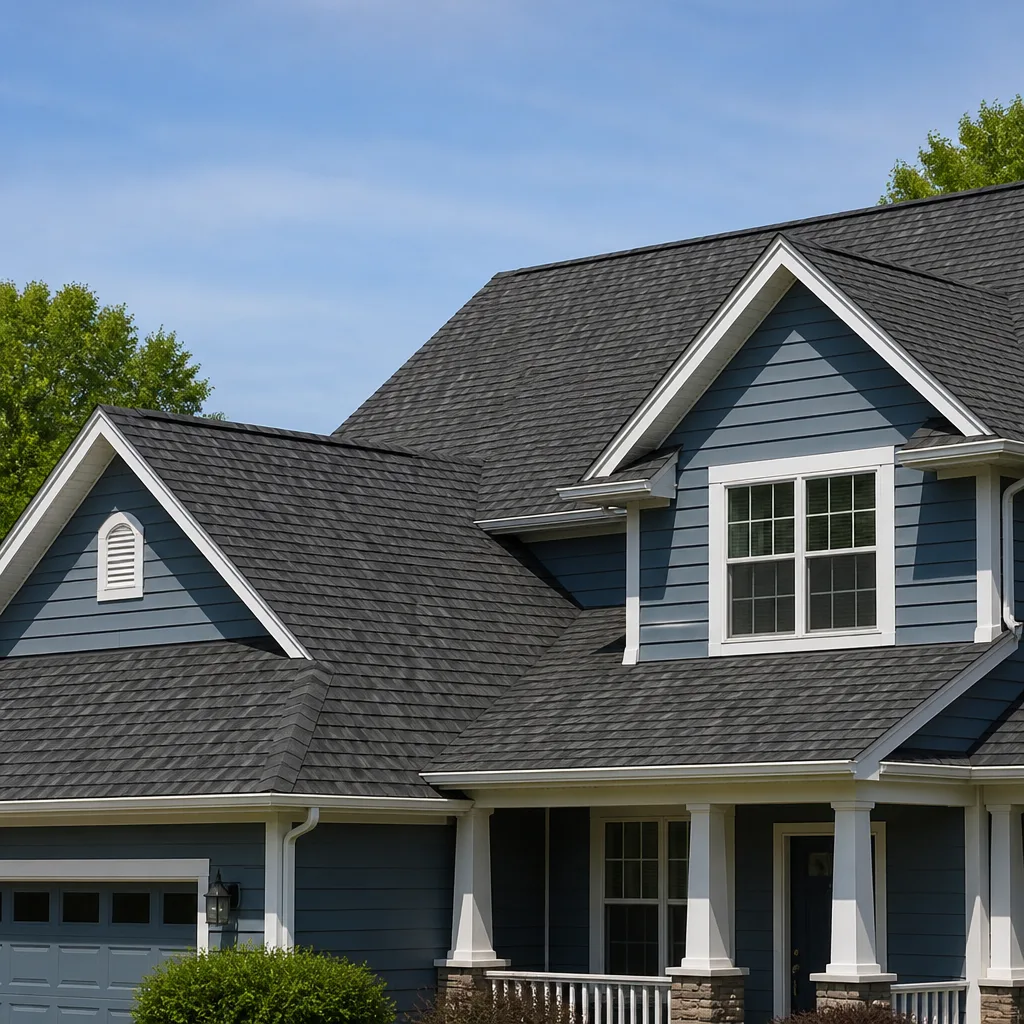 Architectural shingles
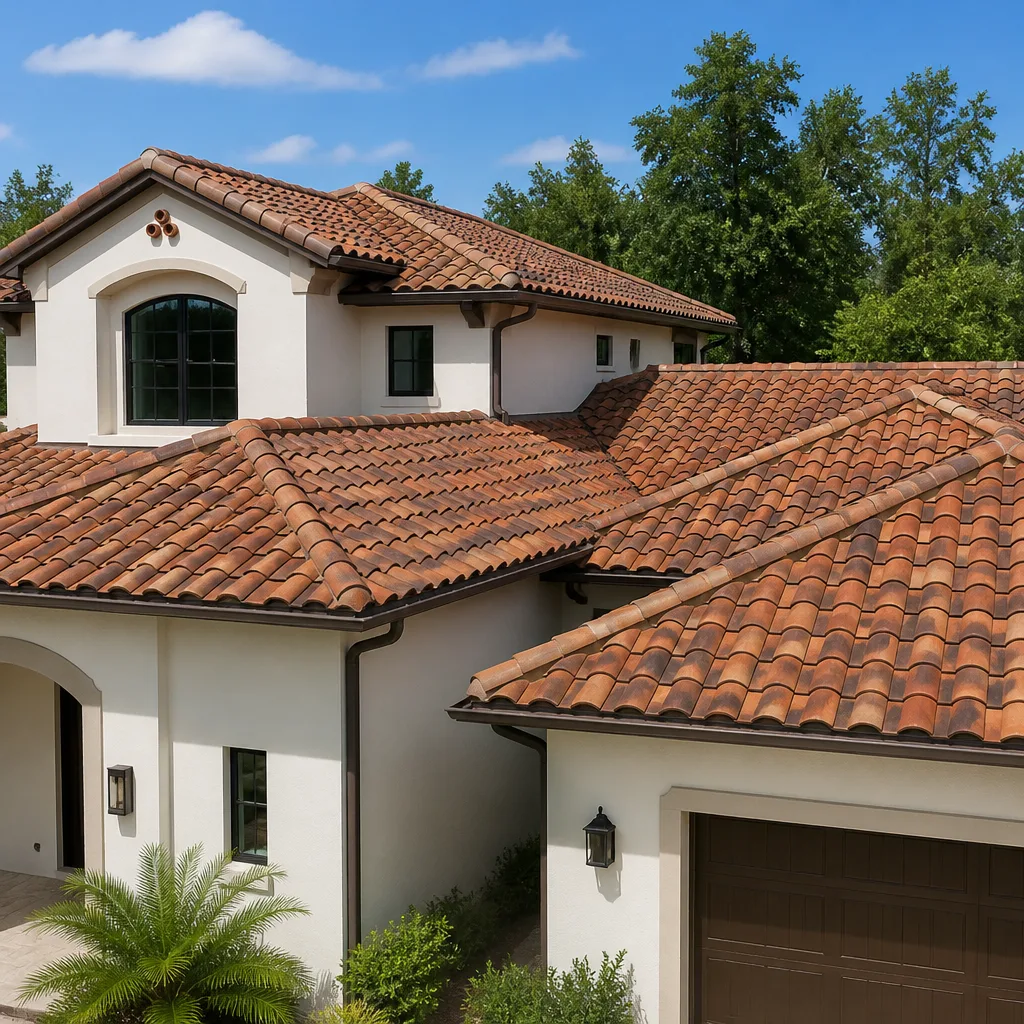 Tile roofing
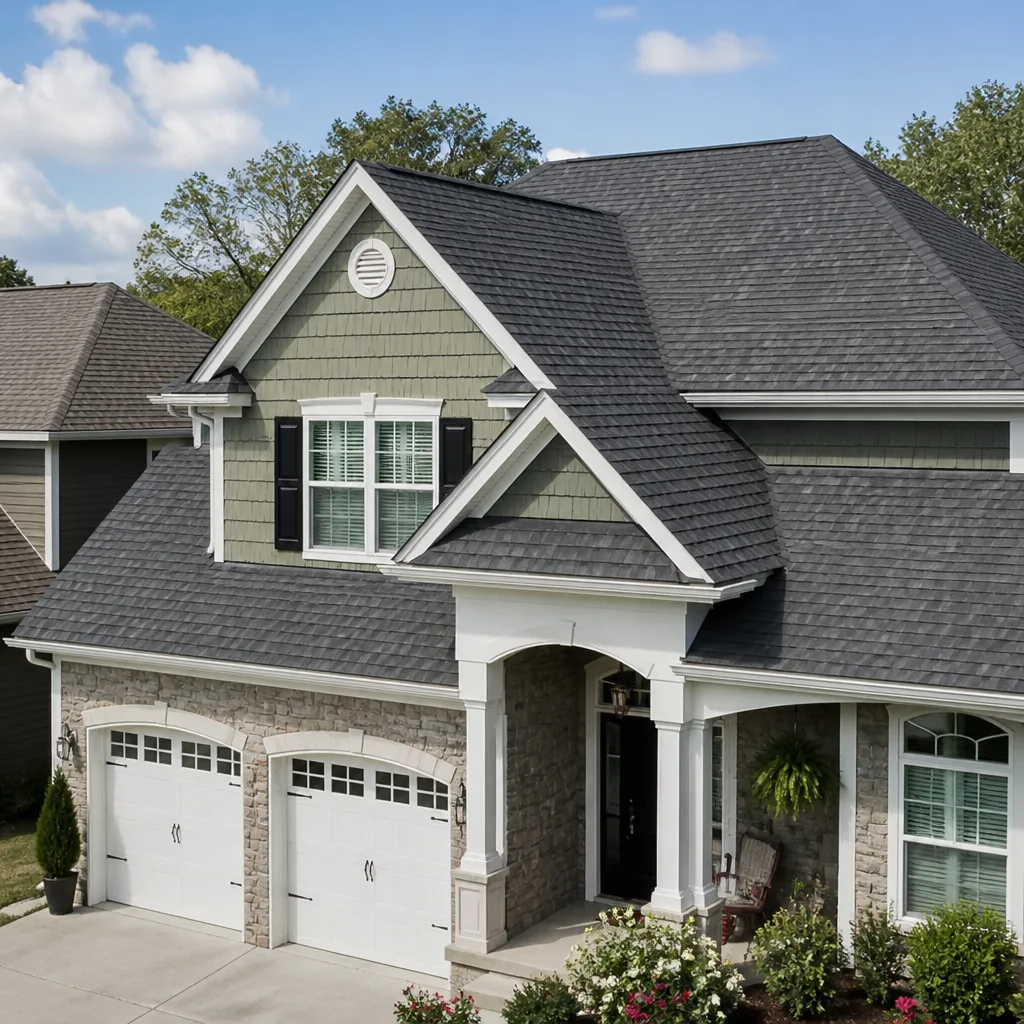 GAF
 Owens Corning
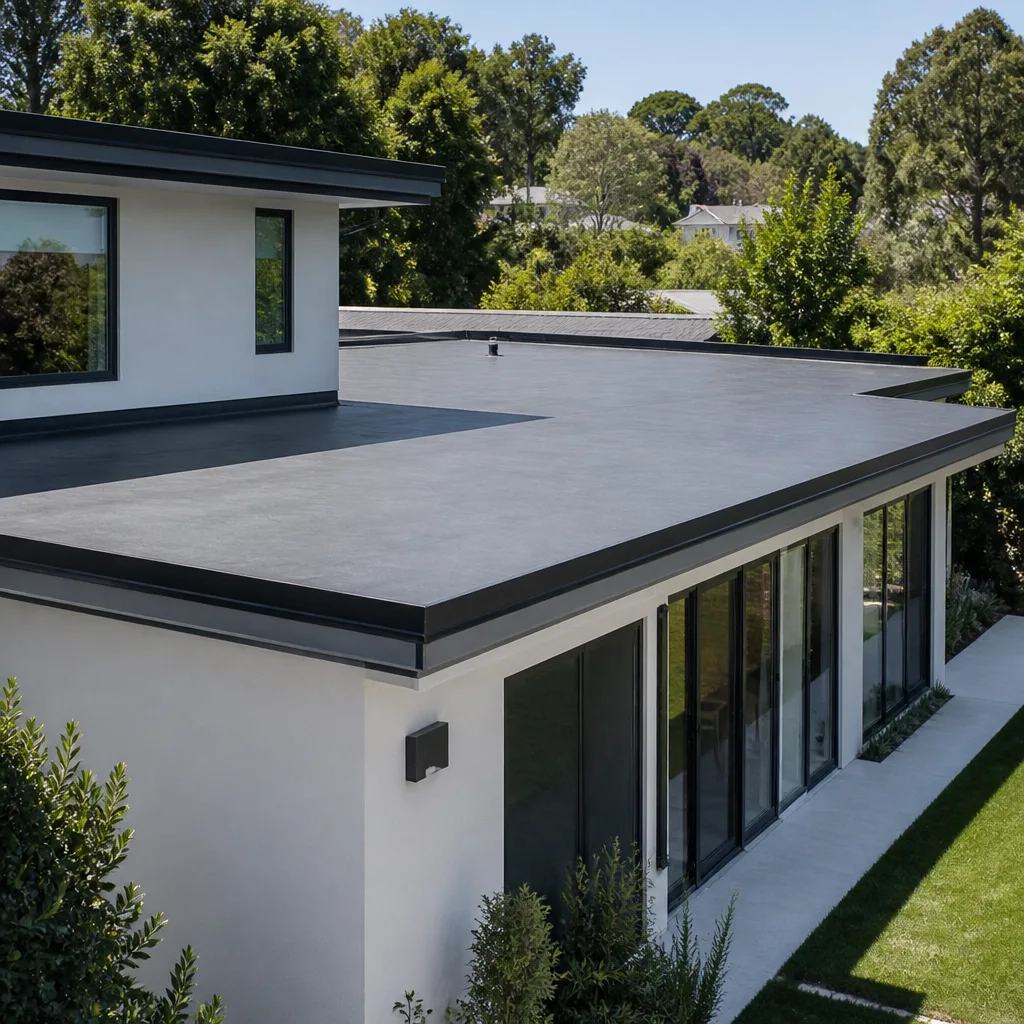 Flat & low-slope
Free roof inspection with deck photos before we talk money - GAF and Owens Corning certified installation
The Complete Guide to Roofing in Henderson
Henderson averages 294 sunny days a year, and every one of them is quietly degrading your roof’s asphalt binders in ways that wouldn’t happen in Phoenix, let alone Pittsburgh. That’s the part most roofing guides miss. They hand you a generic checklist written for a climate with four seasons and freeze-thaw cycles, then wish you luck. Henderson isn’t that place. Between the summer UV index and the nightly temperature swing off the desert floor, your roof lives a harder life than the same shingles on a house in Ohio. This guide treats Henderson as its own engineering problem. We’ll cover how the sun and thermal cycling wear down your shingles, why the caliche under your neighborhood moves more than you’d expect, how HOA rules shape what you can install, and what a real photo-documented inspection captures that a quick walkaround never will.
Quick Answer
Roofing in Henderson means planning for extreme UV, daily swings between roughly 115°F afternoons and 50°F nights, and caliche soil that shifts and stresses flashing and fascia. The right roof here is one tested for low-humidity desert conditions, installed with the right underlayment and ventilation, and inspected on a schedule rather than after a leak. Most Henderson homes need a professional inspection every 12 to 18 months, a tune-up once a year, and a full replacement every 18 to 25 years depending on material.
Styles & brands we work with
- Architectural shingles
- Metal roofing
- Tile roofing
- GAF
- Owens Corning
- Flat & low-slope
Table of Contents
- How Henderson’s UV and Heat Cycling Wear Down Your Shingles
- Why Caliche Soil Stresses Your Flashing and Fascia
- Hot-Climate Materials vs. Desert-Tested Materials: What’s the Difference?
- HOA Rules in Henderson: What You Need Before a Tear-Off
- What a Photo-Documented Inspection Captures
- Repair or Replace? How to Decide
- A Year-Round Maintenance Schedule for Henderson Roofs
- What Roofing Costs in Henderson
How Henderson’s UV and Heat Cycling Wear Down Your Shingles
The Henderson sun doesn’t just fade your roof. It breaks down the asphalt that holds the whole shingle together. Asphalt shingles are made of a fiberglass mat coated in oxidized asphalt, then topped with mineral granules. Those granules are the sacrificial layer. They take the UV hit so the asphalt underneath doesn’t. When the granules wear thin, the asphalt is exposed, and that’s when you start seeing the gritty sand in your gutters after a windy day.
What makes Henderson different is the daily cycle. A roof surface here can hit 160°F or higher on a July afternoon and drop to near 50°F by early morning. That expansion and contraction happens hundreds of times a year. Each cycle pulls a little harder on the shingle-to-shingle seal and works at the nails. In our experience across Henderson neighborhoods like Green Valley and Anthem, we see granule loss and seal failure on a faster curve than you’d find in cooler climates, even on the same shingle line.
Three things accelerate the wear:
- South and west-facing slopes. These take the most direct sun and typically fail years before the shaded slopes on the same house.
- Poor attic ventilation. Trapped heat from below pushes roof deck temperatures even higher and cooks the shingles from the underside.
- Dark shingle colors. They absorb more heat. Lighter colors and reflective granule technology run measurably cooler on a Henderson roof.
The practical takeaway: don’t judge a roof by its age alone. A 12-year-old roof on a west-facing Henderson slope can be closer to failure than a 20-year-old roof that’s been shaded and well-ventilated.
Why Caliche Soil Stresses Your Flashing and Fascia
Caliche is the cemented calcium carbonate layer that sits under much of the Henderson valley. It’s hard when it’s dry and it does something strange when it gets wet: it swells, then shrinks back as it dries. That movement travels up through the foundation and into the roof-to-wall junction. It’s slow, it’s cumulative, and it’s a big reason flashing problems show up here that a homeowner never expects.
Flashing is the metal that seals the joints where your roof meets a wall, a chimney, a skylight, or a valley. When the structure moves even a fraction of an inch, the sealant and the metal can pull away. You won’t see it from the ground. You might not see it from the attic. What you’ll see eventually is a water stain on a ceiling after a monsoon, and by then the damage has been working for a while. Fascia boards, the trim along the roof edge, take a similar beating, and in Henderson’s dry air they also dry out and split.
What we check for on a Henderson roof that a generic guide won’t mention:
- Step flashing at sidewalls. Look for lifted edges or cracked sealant where the roof plane meets a vertical wall.
- Fascia and soffit condition. Splitting, paint failure, or soft wood along the eaves signals moisture or movement.
- Valley metal. Caliche movement can open seams in the valleys where two roof planes meet.
- Stucco-to-roof transitions. Common on Henderson homes, and a frequent failure point when the sealant ages out.
If you’re seeing any of this, our Roof Repair in Henderson team can document what’s happening and give you a written estimate before anything gets torn apart.
Hot-Climate Materials vs. Desert-Tested Materials: What’s the Difference?
“Rated for hot climates” and “tested in low-humidity desert conditions” are not the same claim, and the gap between them matters in Henderson. A shingle rated for hot climates might be tested in a humid Texas summer, where heat is real but the air holds moisture. Desert conditions add a second stressor: near-zero humidity combined with relentless UV. Materials that haven’t been tested for that combination can dry out, crack, and lose flexibility faster than the rating suggests.
Here’s what actually holds up on a Henderson roof:
- Asphalt shingles with strong granule technology. Lines from Owens Corning and CertainTeed with reflective or high-density granule coverage hold up better in full sun. We install both as authorized installers, along with IKO and Atlas for budget-conscious replacements.
- Tile roofing. Clay and concrete tile handle UV and heat cycling well and are common on Henderson homes. The catch is weight. Not every structure was framed for tile, so the deck has to be evaluated first.
- Standing-seam metal. Excellent UV resistance and reflective finishes cut attic heat. Higher upfront cost, but a long service life in this climate.
- Underlayment. This is the layer most homeowners never think about, and it’s often what fails first in Henderson. A synthetic underlayment rated for high-heat exposure outlasts standard felt by years.
If you’re weighing options, our Specialty Roofing in Henderson page covers tile, metal, and flat-roof systems in more detail. The short version: match the material to the slope, the structure, and the HOA before you fall in love with a color swatch.
HOA Rules in Henderson: What You Need Before a Tear-Off
Henderson has a high concentration of planned communities, and that means HOA architectural review for most roof replacements. This is a step homeowners routinely underestimate. You can’t just pick a shingle and schedule the tear-off. In most Henderson HOAs, you’ll need to submit the material, color, and profile for approval before work begins, and the process can take a few weeks.
What to gather before you submit:
- The exact shingle line and color name. Not “brown” or “gray” – the manufacturer’s product name and color code. HOAs approve specific products, not general descriptions.
- A material sample or manufacturer spec sheet. Many boards want the physical spec.
- The contractor’s license and insurance certificate. Most HOAs require this from the installer before approving the project.
- A timeline and scope statement. What’s being replaced, how long it will take, and how debris will be handled.
Here’s the part that saves headaches: get the HOA approval in hand before the crew shows up. A roof replacement that starts before approval can get halted mid-job, and that’s a mess nobody wants. When you get an estimate from us, we’ll tell you what your HOA will likely require so you can start the paperwork in parallel. For a full picture of what replacement involves, see our Roof Replacement & Installation in Henderson page.
What a Photo-Documented Inspection Captures
A visual walkaround tells you what a roof looks like from the ground. A photo-documented inspection tells you what’s actually happening up there, and it creates a record you can use later. This is one of the things we take seriously: our technicians take photos from your actual roof, not from the driveway, and you get the images.
What a proper inspection captures that a quick look misses:
- Granule loss close up. Photos show whether your shingles are shedding granules evenly or failing in patches on the sun-facing slopes.
- Flashing condition at every penetration. Each seam, vent, and wall junction gets documented so you can see the sealant condition for yourself.
- Attic ventilation and deck condition. What’s happening underneath the shingles matters as much as the surface.
- Existing damage baseline. This is the one homeowners value most at resale. A dated photo record proves the roof’s condition at a point in time, which protects you in a buyer’s inspection.
That record matters when you sell. A buyer’s inspector will flag anything that looks worn, and a dated photo history showing the roof was maintained and inspected is far stronger than a verbal “it’s been fine.” It’s also how you catch a small flashing issue before it becomes a ceiling repair. For a baseline inspection, start with our Ridgeline Roofing Co. Henderson home page or just call and we’ll schedule it.
Repair or Replace? How to Decide
The honest answer depends on age, extent, and where the damage sits. A single lifted flashing or a few cracked shingles on one slope is usually a repair. Widespread granule loss across multiple slopes, active leaks in more than one spot, or a roof past 20 years old usually points toward replacement. Patching a failing roof buys time, but it doesn’t fix the underlying wear.
Here’s how we think through it:
- How old is the roof? Under 15 years with isolated damage leans repair. Over 20 leans replace.
- How much of the surface is affected? One slope or one penetration is a repair. Three or more slopes is a replacement conversation.
- Is the deck sound? Soft spots or sagging mean the problem is structural, not cosmetic.
- How many leaks have you had? One leak that’s fixed and stays fixed is fine. A pattern of leaks means the roof is telling you something.
We don’t push replacement when a repair will hold. If a repair is the square deal, that’s what we quote. And whatever we do is backed by our written 90-Day Done Right Promise: if it’s not right, we come back and make it right, with no arguing and no paperwork runaround.
A Year-Round Maintenance Schedule for Henderson Roofs
Henderson roofs don’t need a lot of attention, but they need the right attention at the right time. Here’s a schedule that fits this climate:
- Spring (March-April): Pre-summer inspection. Check flashing, sealant, and granule condition before the heat ramps up. Clear debris from valleys and gutters.
- Early summer (May): Confirm attic ventilation is working. A hot attic cooks shingles from below all season.
- Monsoon season (July-September): Watch for leaks after storms. Wind-driven rain finds flashing gaps first. Get any leak looked at quickly.
- Fall (October-November): Post-summer inspection. This is when UV damage from the season shows up. A seasonal tune-up catches small issues before winter.
- Winter (December-February): Overnight freezes are mild but real. Check for cracked sealant and any loose flashing after cold snaps.
A yearly tune-up is cheap insurance compared to a repair. We offer an $89 Seasonal Tune-Up that covers the walkthrough and the small fixes that keep a Henderson roof ahead of the sun.
What Roofing Costs in Henderson
Prices here reflect the desert material requirements and the labor to do the job right. These ranges are typical for Henderson homes and will vary with roof size, pitch, material, and how much deck repair is needed.
- Minor repair (flashing, a few shingles): $250 to $600
- Larger repair (valley, penetration, partial slope): $600 to $1,800
- Seasonal tune-up: $89 with our standing offer
- Full asphalt shingle replacement: $9,000 to $18,000 for a typical Henderson home
- Tile or metal replacement: $18,000 to $35,000-plus depending on material and structure
What moves the number: the material line, the pitch of the roof, how much underlayment and deck repair is needed, and HOA-related access. The price we quote is the price you pay. No change orders, no surprises on the invoice. If you’re comparing estimates, we offer a free second opinion on any written estimate so you can make a confident call. Call (833) 691-6717 for a free estimate.
Common Mistakes to Avoid
- Judging the roof by age alone. A 12-year-old roof on a west-facing Henderson slope can be worse off than a 20-year-old roof that’s been shaded and ventilated. Age is one data point, not the whole story.
- Skipping the HOA approval. Starting a tear-off before the board signs off can halt the job mid-stream. Get the approval in hand first.
- Choosing the cheapest bid from an out-of-town crew. Storm-chasers follow the weather and leave. You want the crew that’s still around if something needs attention next year.
- Ignoring flashing until it leaks. Caliche movement stresses flashing slowly. Catch it in an inspection, not after a ceiling stain.
- Overlooking attic ventilation. Poor ventilation cooks shingles from below and shortens roof life even if the surface looks fine.
- Not keeping a photo record. A dated inspection record protects you at resale and makes future repairs faster to diagnose.
- Letting granule buildup in the gutters go unread. Grit in the gutters after a windy day is the roof telling you the granules are wearing thin.
See the difference
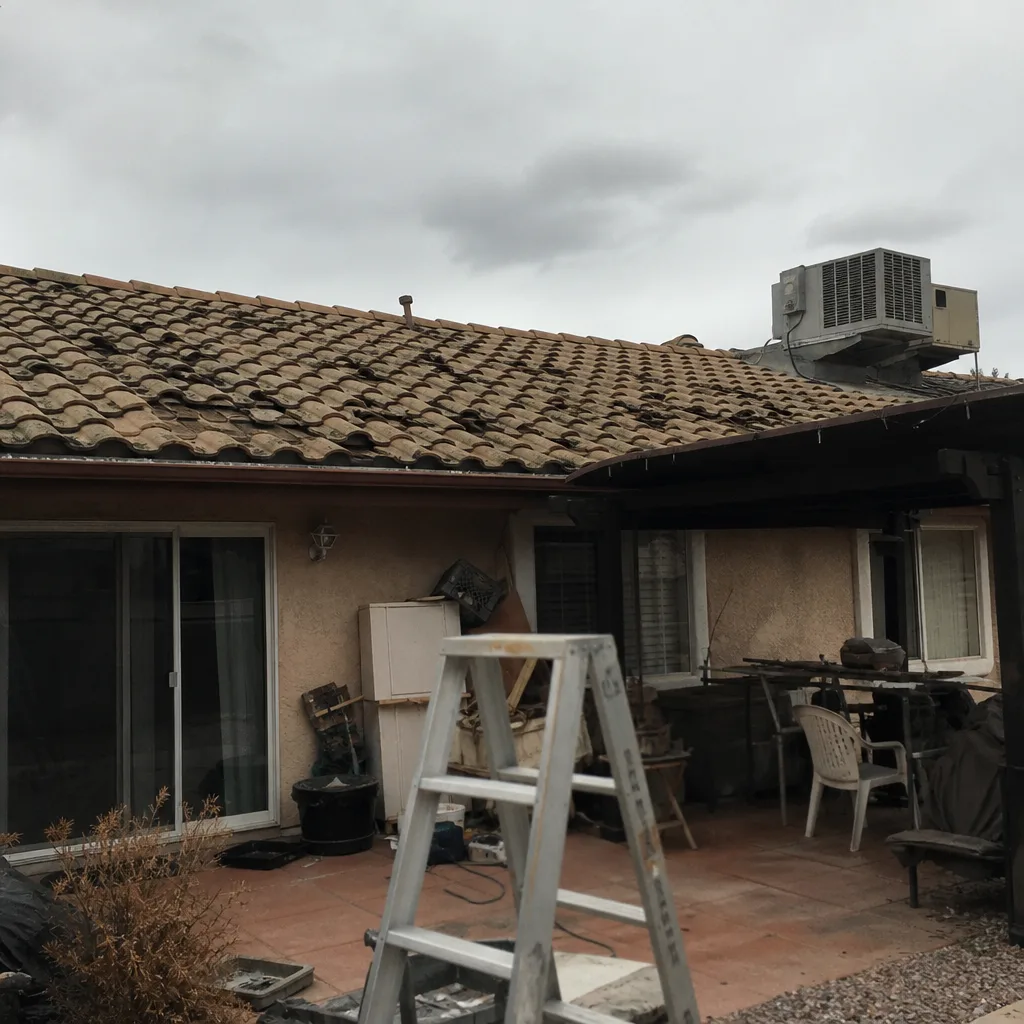 Before
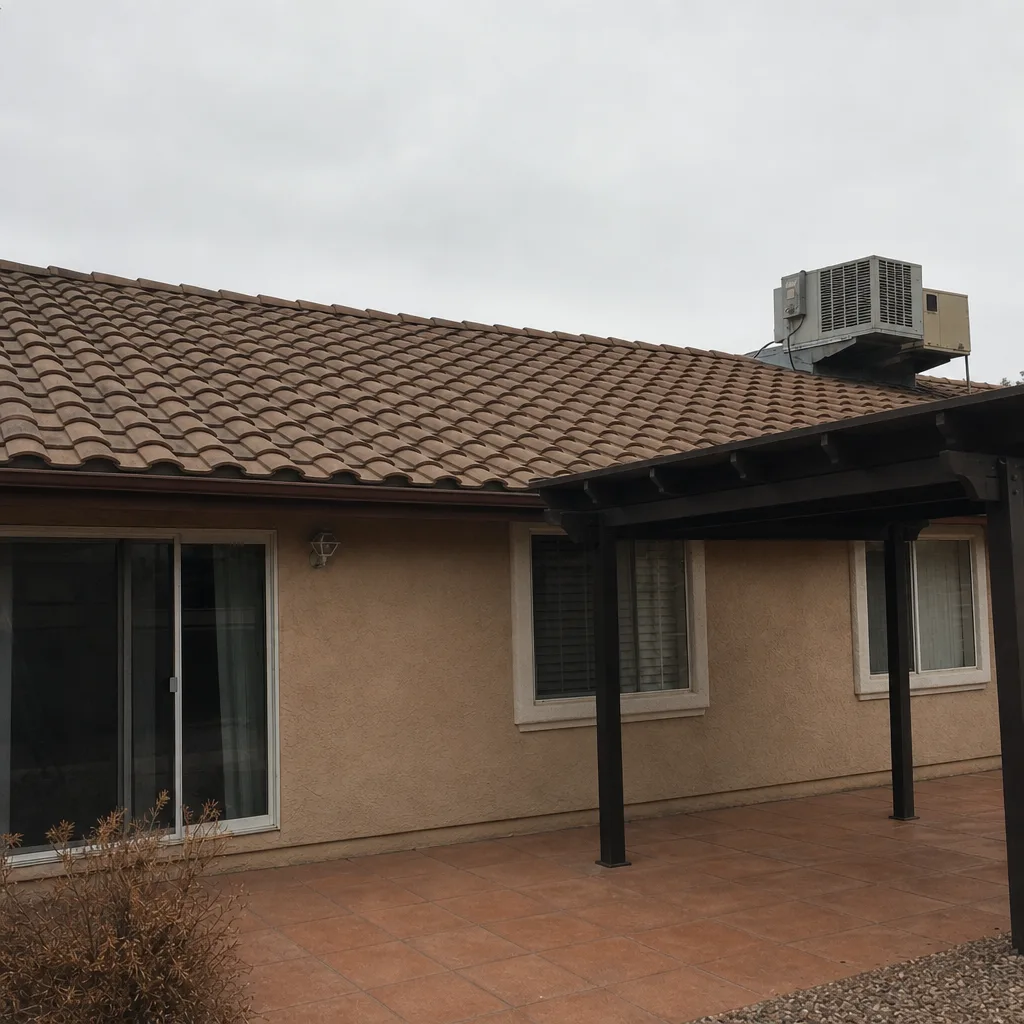 After
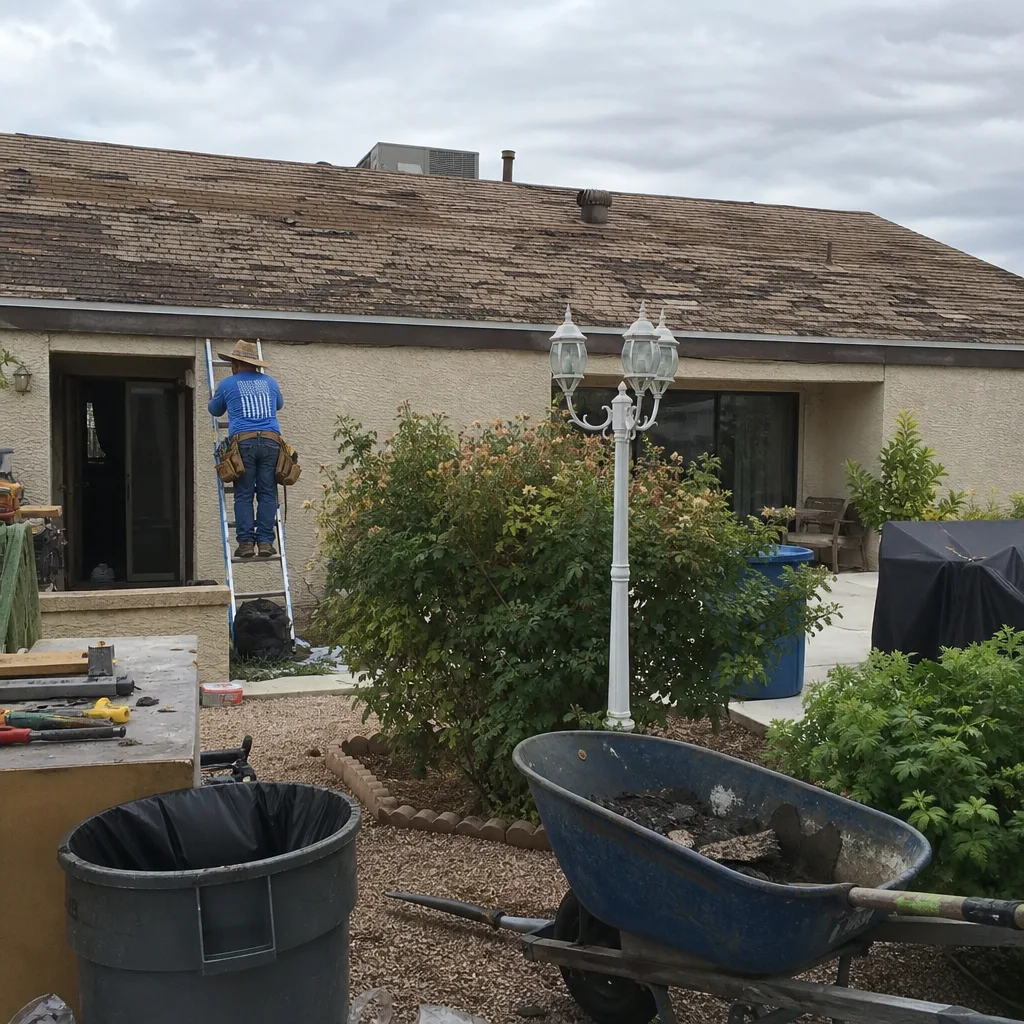 Before
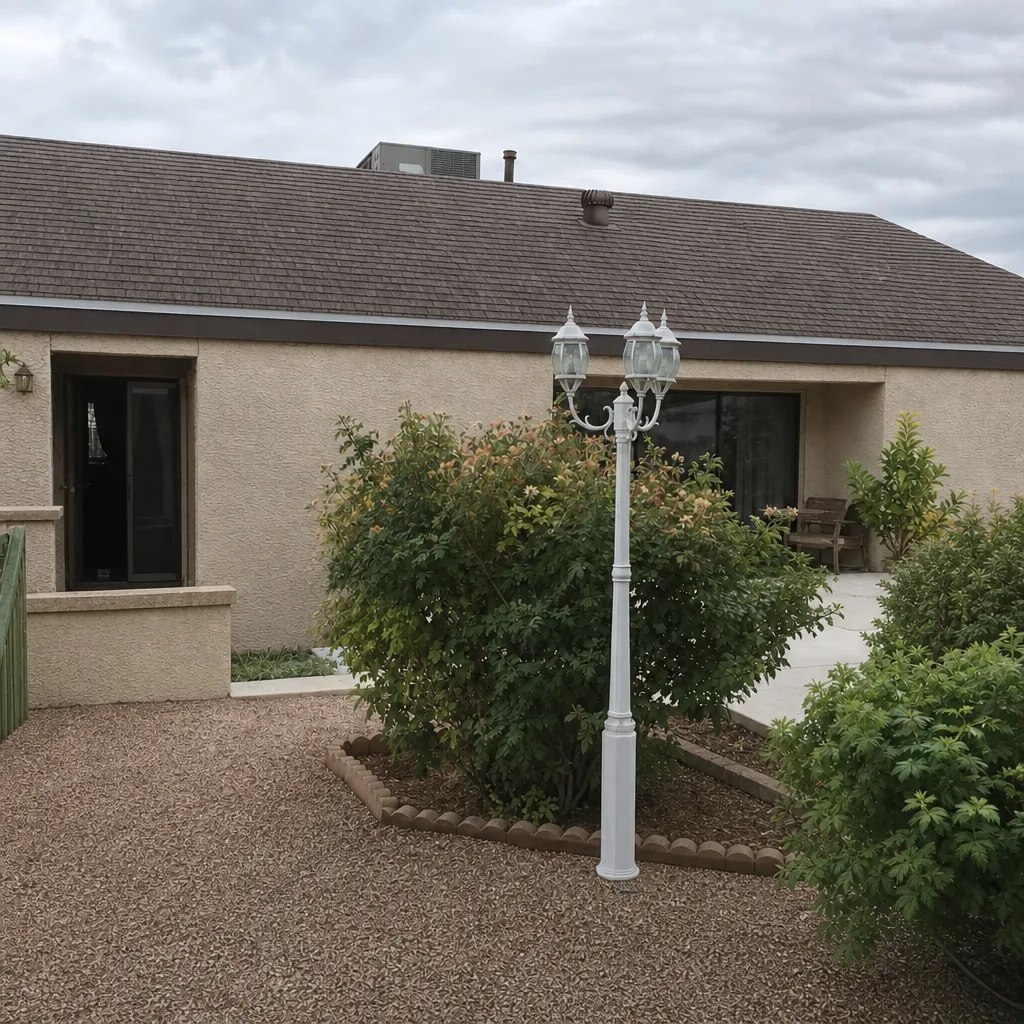 After
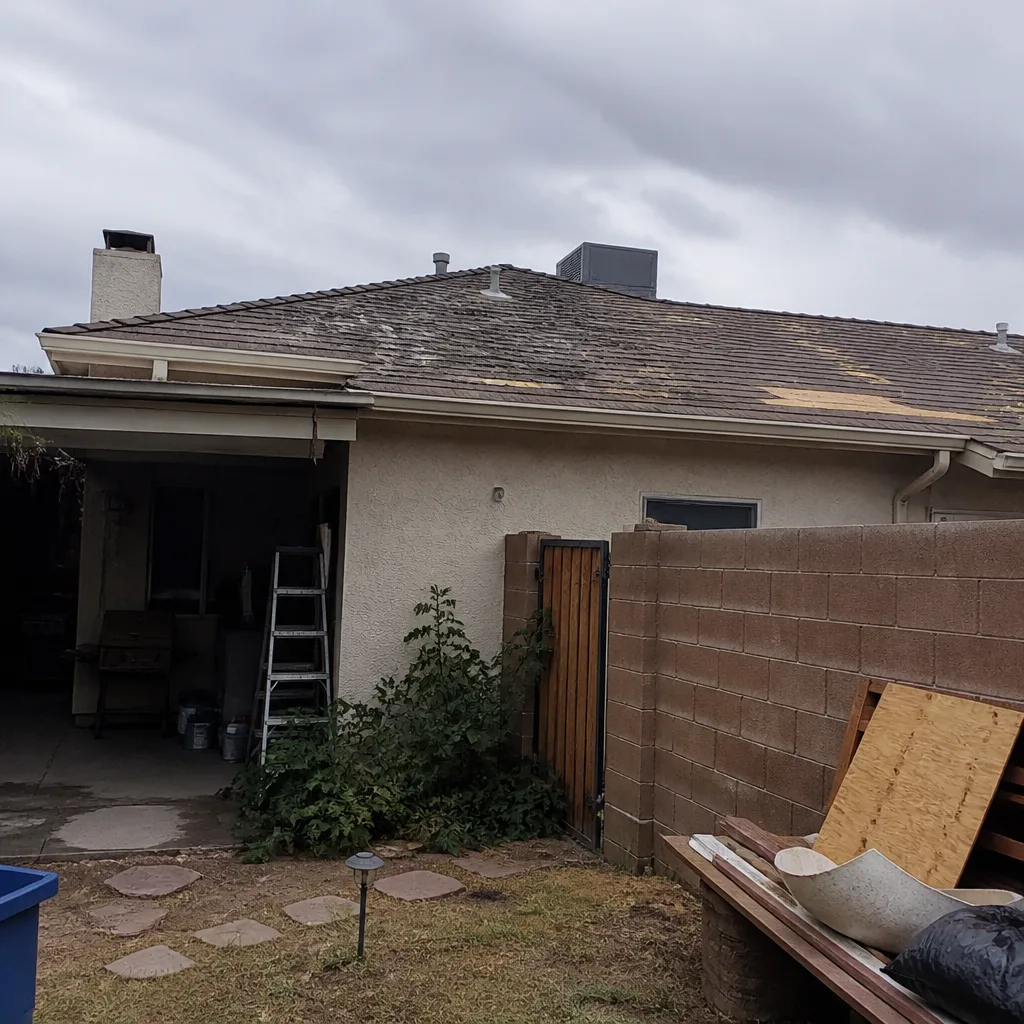 Before
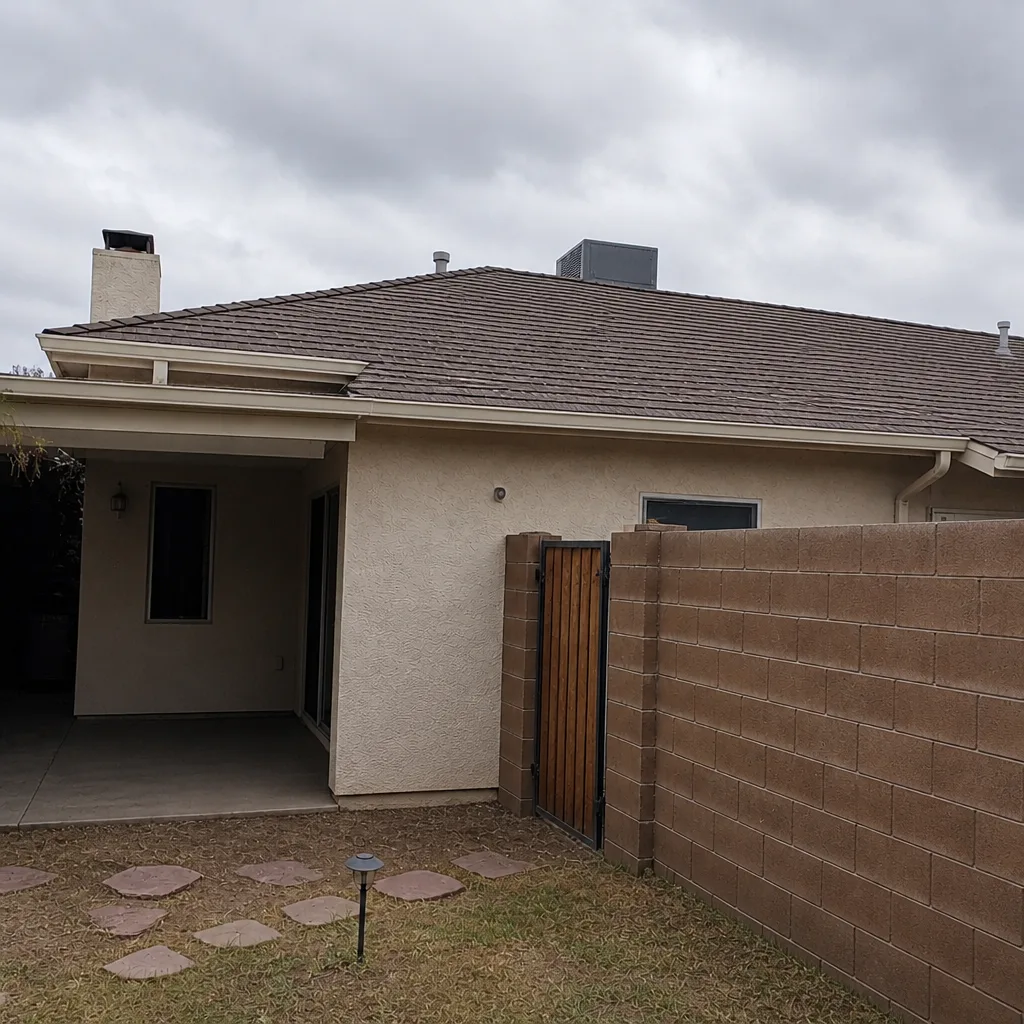 After
When to Call a Professional
Some things you can check yourself: grit in the gutters, a stain on the ceiling, a shingle visibly lifted from the ground. Call a professional when you see any of those, when a storm has passed through, or when it’s been more than 18 months since the last inspection. Roof work is genuinely dangerous – the pitch, the height, and the heat combine badly, and a fall from a Henderson roof can be serious. We’d rather you call than climb. Ridgeline Roofing Co. Henderson offers free estimates in Henderson. Call (833) 691-6717 and a live person answers, day or night.
Frequently Asked Questions
Every 12 to 18 months, plus after any major monsoon or wind event. Henderson’s UV load and heat cycling age a roof faster than a milder climate, so a yearly tune-up and a documented inspection keep small issues from becoming expensive ones. Call (833) 691-6717 to schedule yours.
Typically 18 to 25 years for asphalt shingles, longer for tile and metal, depending on sun exposure, ventilation, and material quality. South and west-facing slopes often fail first. An inspection tells you how much life the roof actually has left rather than guessing from age.
Usually yes. Most Henderson HOAs require architectural review of the material, color, and profile before a tear-off begins, and the approval process can take a few weeks. We can tell you what your HOA will likely require so you can start the paperwork early. Call (833) 691-6717 for a free estimate.
Often, yes. If the damage is limited to one slope or a few shingles, a targeted repair is the right call. Widespread granule loss across multiple slopes usually means replacement. We’ll document the condition and quote the repair if a repair will hold.
It’s a written workmanship guarantee: if the work isn’t right, we come back and make it right, with no arguing and no paperwork runaround. It’s the same standard we’d hold for work done on our own family’s home.
Yes, we respond to storm damage and active leaks. Our phones are staffed by a live person 24 hours a day, including nights, weekends, and during storms. Call (833) 691-6717 and you’ll reach a person, not a voicemail tree.
The Bottom Line
Henderson isn’t a generic roofing market. The UV, the heat cycling, and the caliche under your neighborhood make your roof a harder engineering problem than the same shingles on a house in a milder climate. The way to stay ahead of it is simple: get a documented inspection on a schedule, catch flashing and ventilation problems early, get HOA approval before any tear-off, and choose a crew that’s going to be around next year. We’ve been standing behind local roofs since 1984, and the square deal is the same one we started with: the price we quote is the price you pay, and if it’s not right, we make it right.
If you’re ready for a free estimate, call (833) 691-6717. A live person answers, day or night.
Written by the team at Ridgeline Roofing Co. Henderson.