
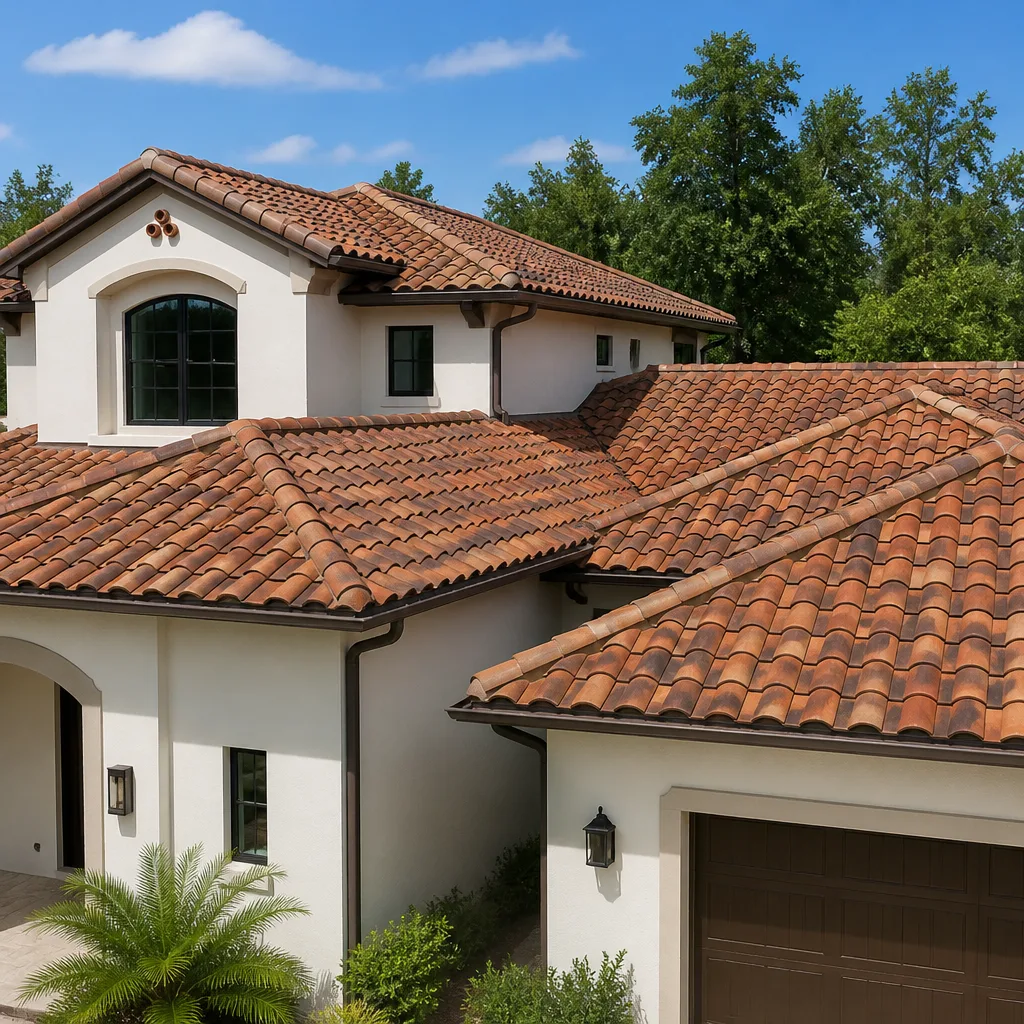
 Tile roofing
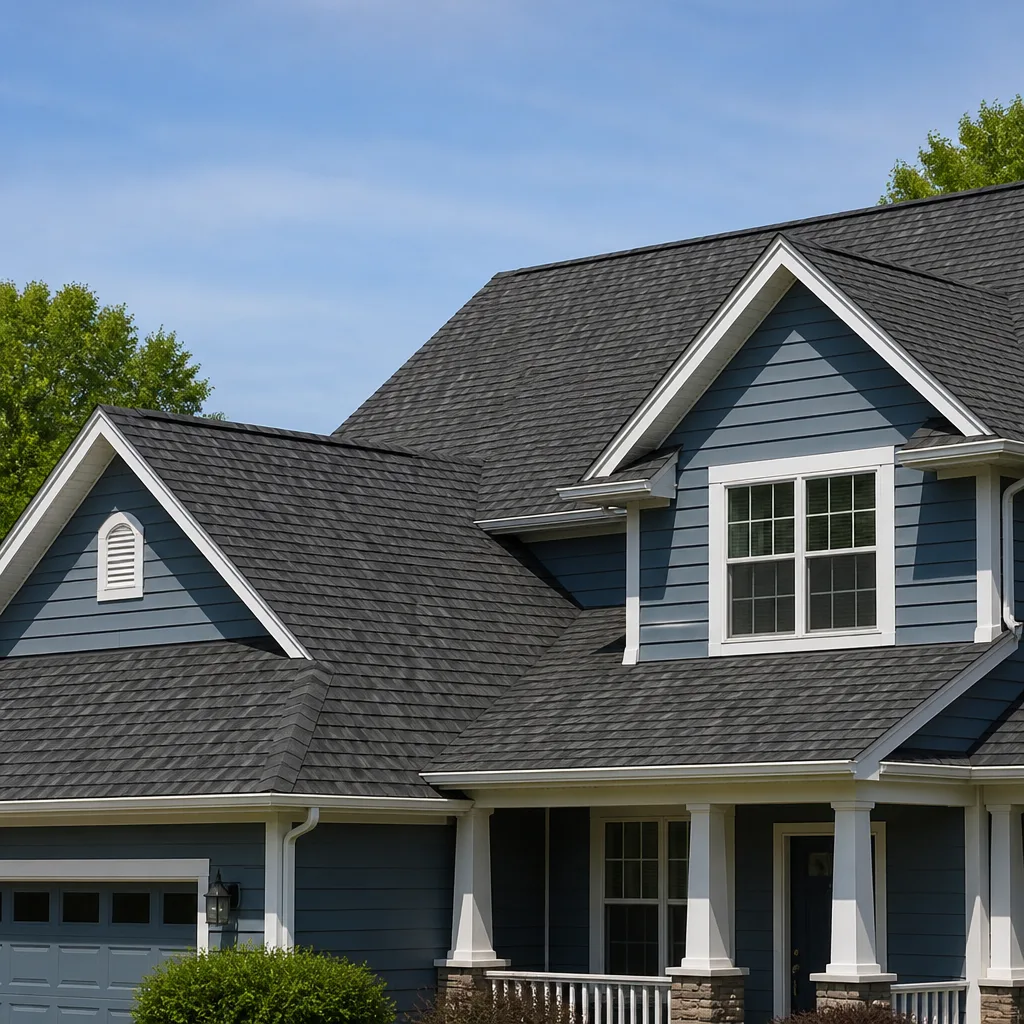 Architectural shingles
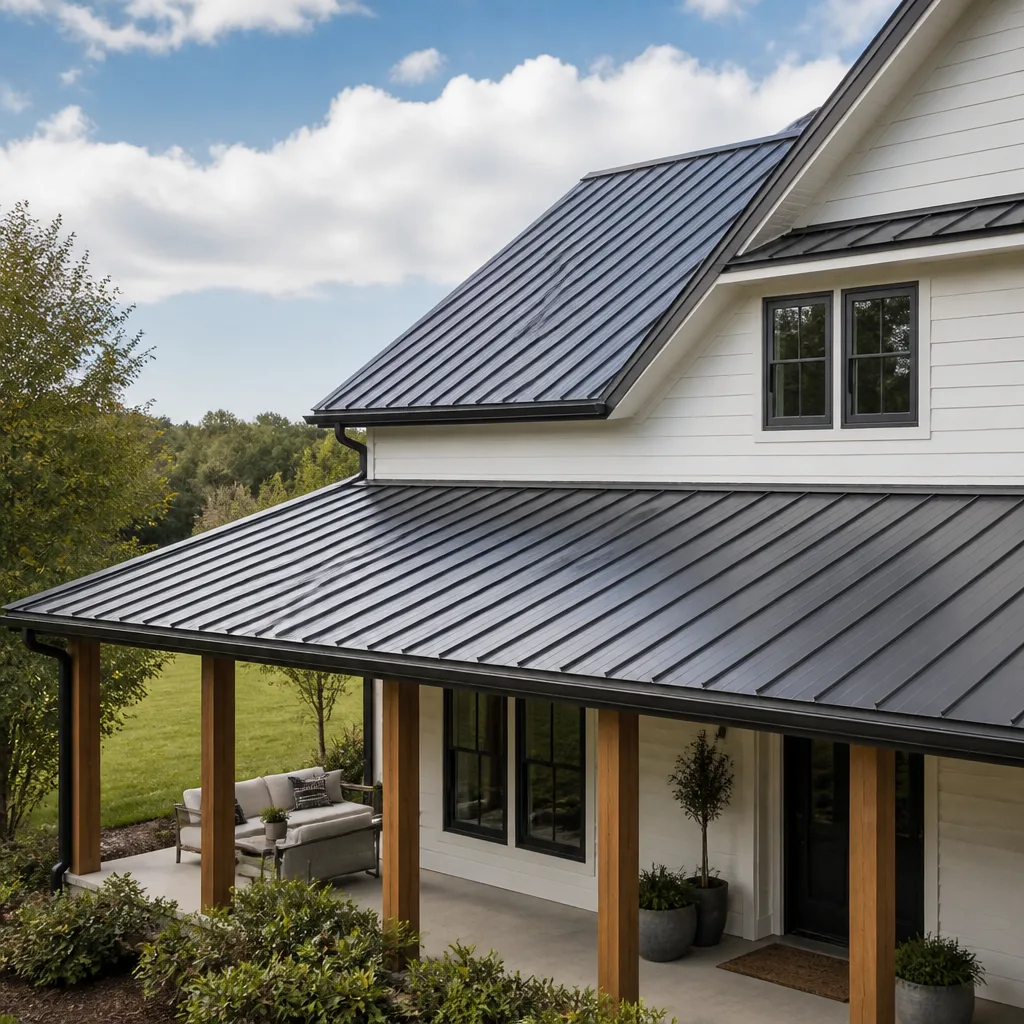 Metal roofing
 GAF
 Owens Corning
 Flat & low-slope
Free roof inspection with deck photos before we talk money - GAF and Owens Corning certified installation
Styles & brands we work with
- Architectural shingles
- Metal roofing
- Tile roofing
- GAF
- Owens Corning
- Flat & low-slope
See the difference
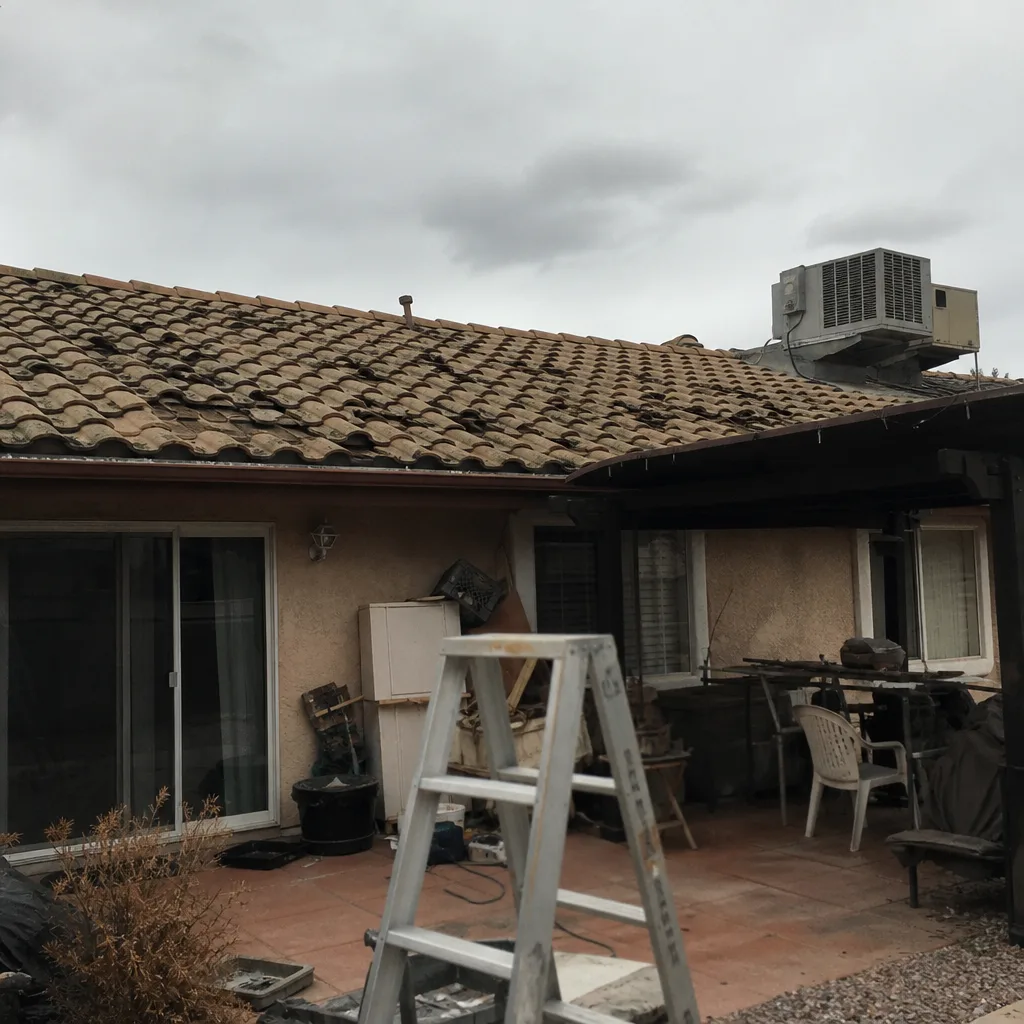 Before
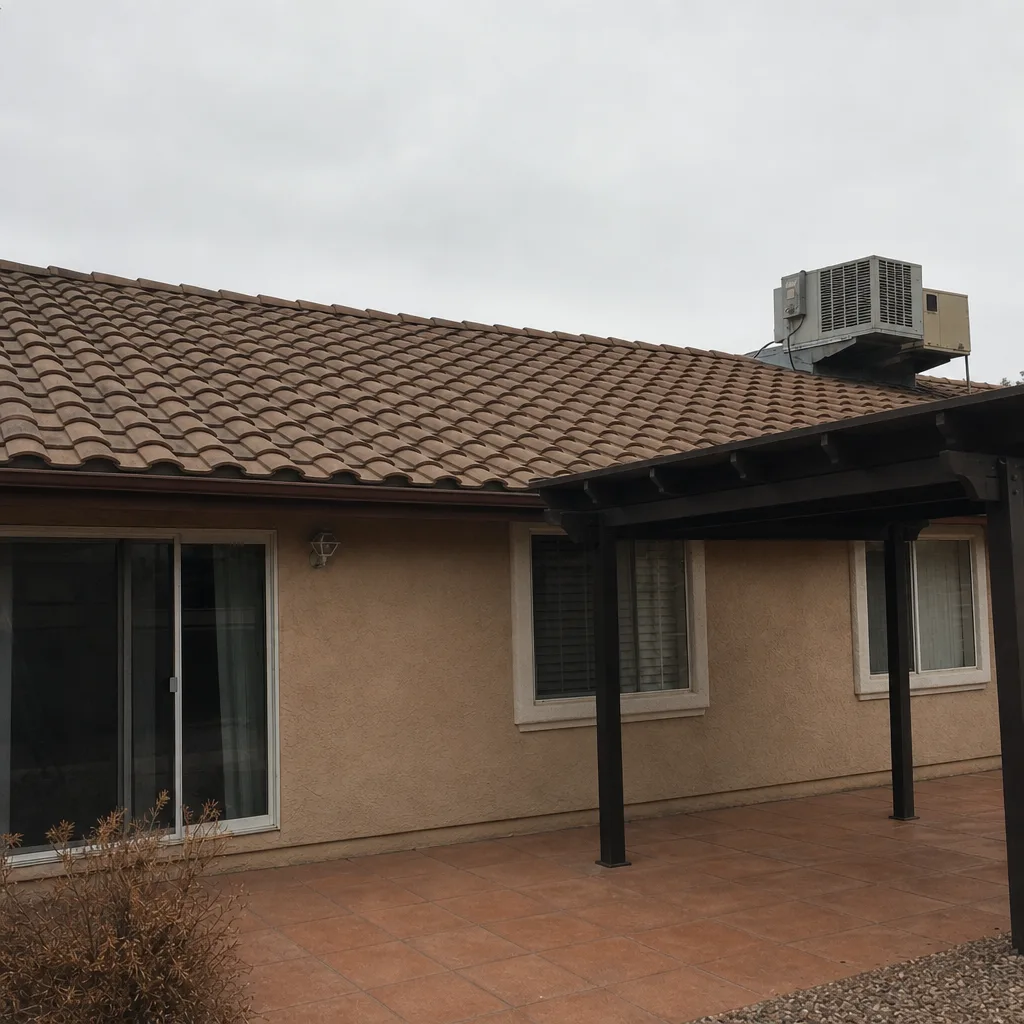 After
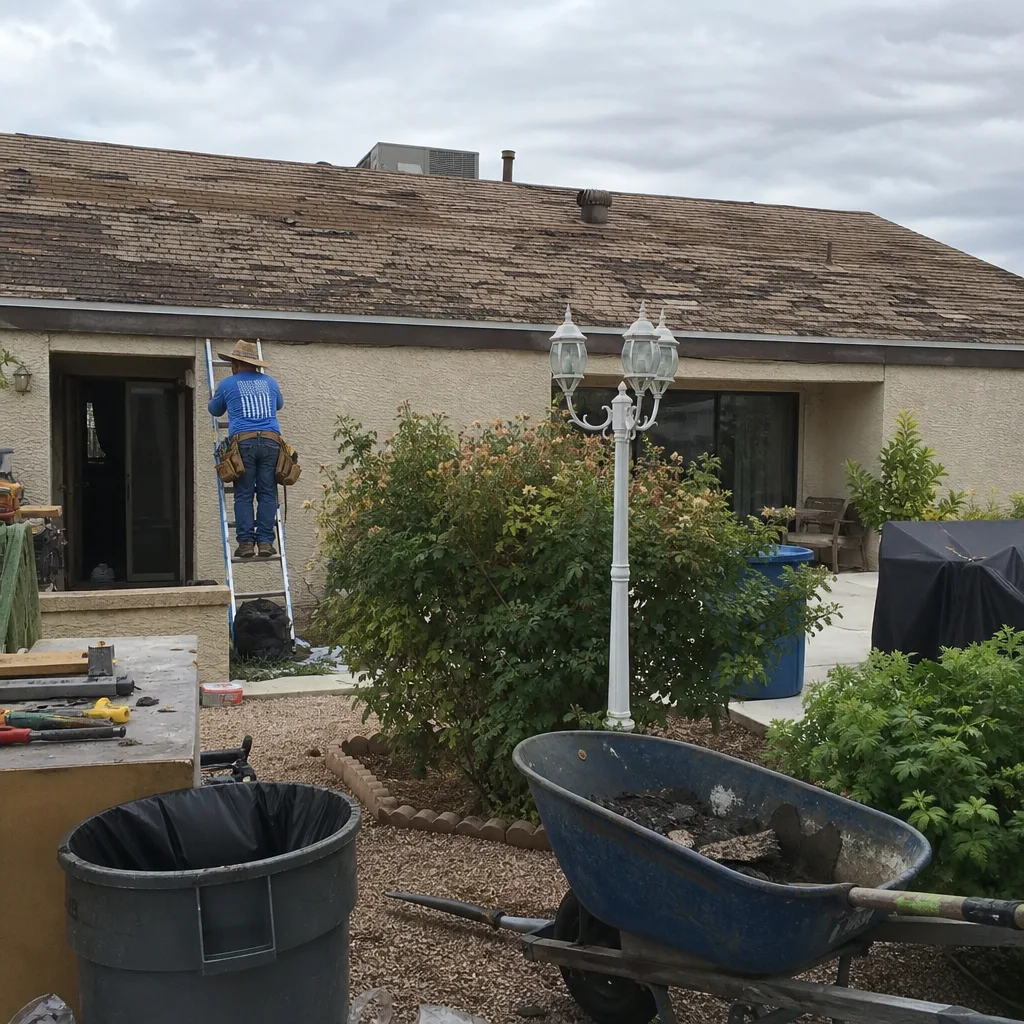 Before
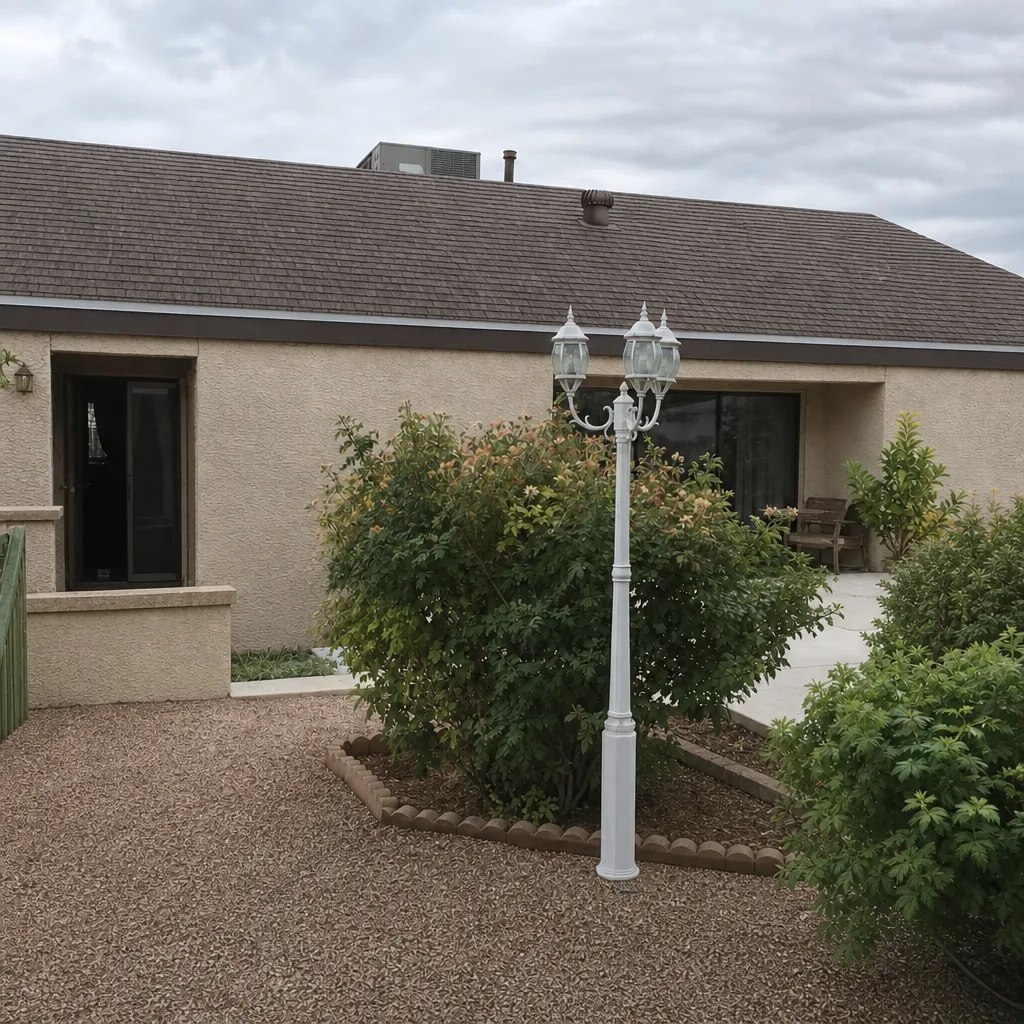 After
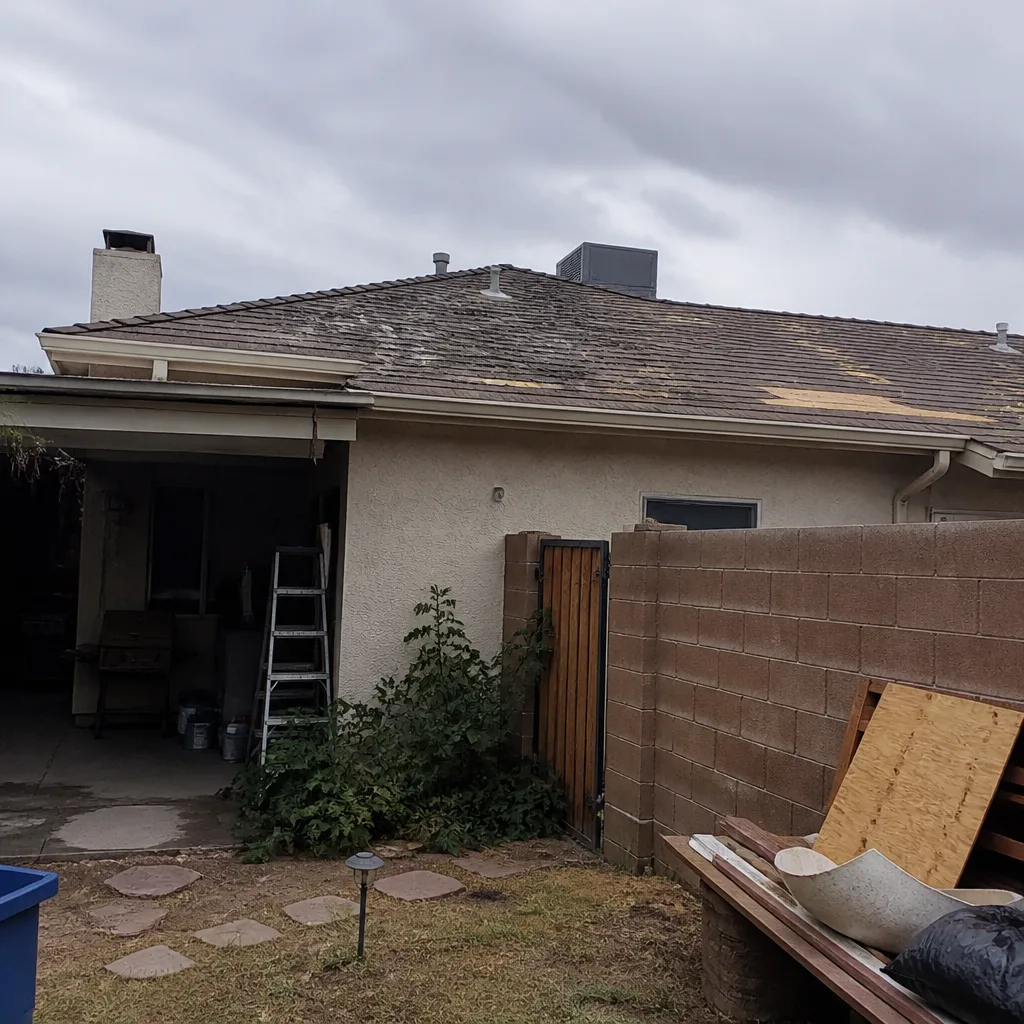 Before
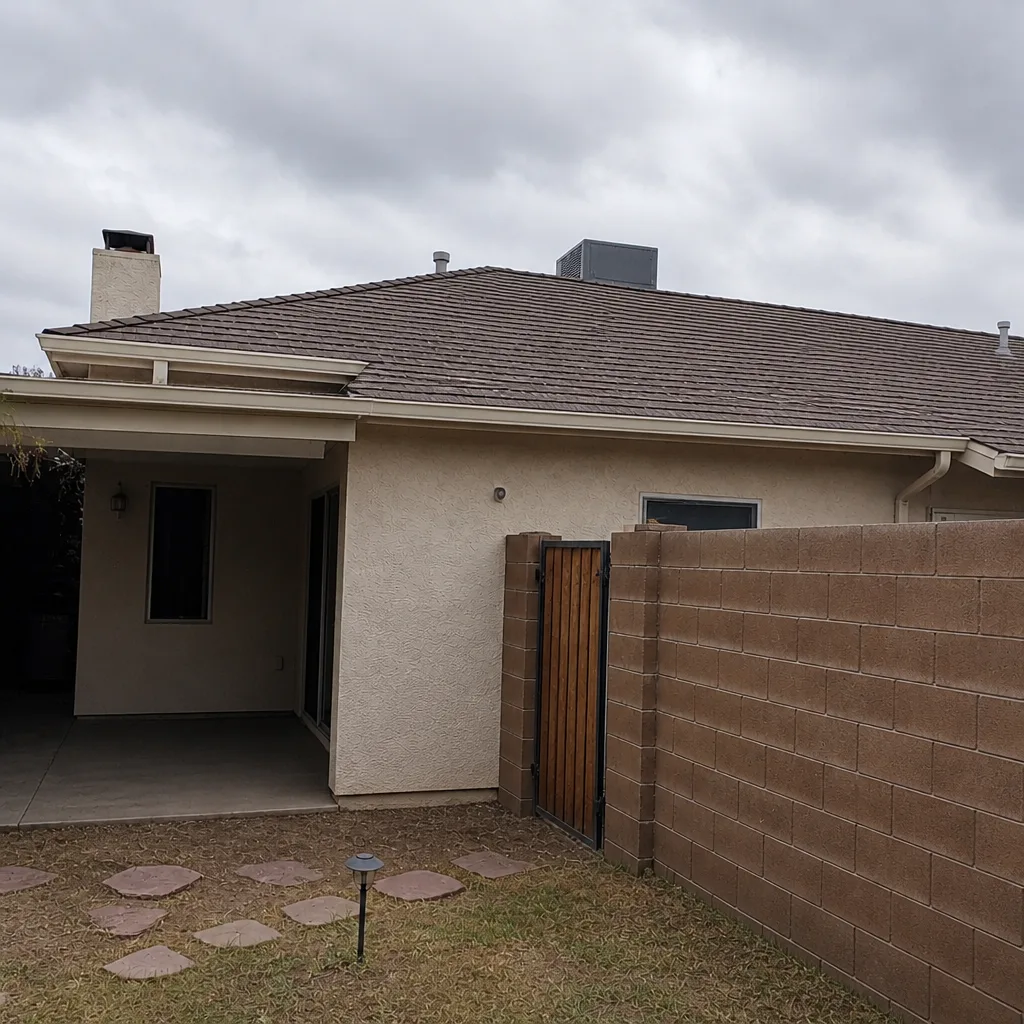 After
Clay vs Concrete Roof Tiles in Henderson, NV: Which One Belongs on Your House?
Choose concrete tile unless you’re set on the fired-clay look and your roof structure is confirmed to carry the load. Concrete runs 9-12 lbs per square foot, clay runs 6-10 lbs depending on profile, and Henderson’s tile roofs sit on truss systems engineered to a set dead-load spec. Swapping tile types at replacement isn’t a cosmetic decision – it can require an engineer’s stamp. If you want a straight answer on which way to go, call (833) 691-6717 and we’ll walk your roof before you decide anything.
What Henderson Does to Both Materials
Our summer UV index sits above 11 for more than 60 days a year, and surface temps on a sun-facing tile field regularly hit 160°F. That heat load is the single biggest factor in how each material ages here, bigger than the monsoon rain that follows it in July through September.
The two materials handle that heat differently. Clay is fired with through-body color, so the pigment goes all the way through the tile. It doesn’t fade under UV. Colored concrete gets its color from iron oxide pigments that sit at the surface, and under Henderson’s UV loading those pigments fade measurably within 10 to 15 years. If you live in Anthem or Green Valley and your HOA enforces color-match rules, that fade isn’t a minor aesthetic question – it becomes a compliance question when it’s time to replace a few broken tiles and the new ones don’t match the field.
Moisture is the second piece. Concrete is porous and takes on more water during a monsoon microburst, then dries out fast at extreme temperatures. Repeat that wet-dry cycle for twenty years and you get surface spalling and efflorescence. Clay absorbs less water to begin with, so it resists that specific failure mode. This is a desert-climate weathering argument, and it’s different from what you’d read in advice written for Florida or the Pacific Northwest, where humidity and freeze-thaw drive the conversation instead.
Common Henderson Scenarios We Walk Into
Most of the homes we inspect here were built between the 1990s and 2010s, which means a large share of Henderson’s concrete tile roofs are hitting their first real replacement cycle at the same time. Here’s what that looks like in practice:
- The 1994 Green Valley tract home with a faded field. The tile is intact but the color has gone chalky and the homeowner is weighing clay to avoid a repeat fade. We check the truss spacing and condition first, because that decision lives or dies on structure.
- The Anthem house with slipped tiles after a microburst off the McCullough Range. Concrete tiles lift and ridge caps go missing on the east-side foothills while flat streets downtown a few miles away see nothing. When that happens, the color-match question comes up fast.
- The original-owner ranch near Water Street. Different housing stock, different framing, and a tile weight question that has to be answered before a permit gets pulled.
- The homeowner who assumed clay would buy them extra years on the underlayment. It won’t. More on that below.
Side-by-Side: Clay and Concrete Under Henderson Conditions
| Factor | Clay Tile | Concrete Tile |
|---|---|---|
| Weight per square foot | 6-10 lbs | 9-12 lbs |
| Color under high UV | Through-body, does not fade | Iron oxide surface pigment fades in 10-15 years |
| Moisture absorption | Low | Higher; wet-dry cycling drives spalling |
| Structural verification | Varies by profile | Heavier spec, more likely to trigger an engineer’s stamp |
| Underlayment life | Same UV degradation as concrete | Same UV degradation as clay |
| Typical installed cost | $1,200-$2,400 per square | $900-$1,800 per square |
That cost gap is real and it’s why most Henderson homeowners land on concrete. Clay’s advantages – no fade, lower absorption – are genuine, but you’re paying a premium for them and the structure has to support the choice either way.
The Underlayment Point Homeowners Keep Missing
Here’s the part that surprises people. The tile above your roof isn’t what keeps rain out – the underlayment underneath is, and both tile types expose it to the same UV degradation at roughly the same rate. Choosing clay does not extend the underlayment’s life. Your re-roof timeline is set by the underlayment, not the tile, so the clay-versus-concrete decision should be made on weight, structure, color permanence and budget. Not on a hope that one material buys you five extra years. If you want the full picture on how tile systems are assembled and replaced here, our Tile Roofing in Henderson page covers the layering in detail.
What Clark County Requires Before a Permit
Clark County building code requires a licensed contractor to verify that your existing roof structure can carry the chosen tile weight before a permit is issued. That verification is where a lot of out-of-town bids fall apart, because it happens after the contract is signed instead of before. Our inspection documents truss spacing and condition photographically from your actual roof, so structural questions get answered before the quote is in your hand, not after the permit’s been pulled. You can see how we approach the whole house on our home page.
This matters most on a like-for-like swap where the new tile is heavier than what came off. If you’re moving from a lighter profile to a heavier one, the engineer’s stamp isn’t red tape – it’s the thing that keeps a 30-year-old truss system from carrying a load it was never engineered for.
How We Help You Decide
We’ve installed both clay and concrete tile across Henderson’s housing stock since the mid-1980s, and we can show you real installations, not manufacturer renderings – actual roofs a few miles from your house that have been through twenty summers of 160°F surface temps and a couple hundred monsoon seasons. Side by side, the difference between a faded concrete field and a clay field that still holds its color tells you more than any spec sheet. Our technicians have up to 10 years of experience and every one of them is background-checked and arrives in uniform. We install Boral clay and concrete profiles alongside IKO, Atlas and Tamko systems, so we’re not steering you toward one material to move inventory.
Every job comes with our 90-Day Done Right Promise – a written workmanship guarantee with no paperwork and no arguing. If it’s not right, we come back and make it right. Phones are answered by a live person around the clock, including the night a microburst takes your ridge caps off.
FAQs
Concrete is the better fit for most Henderson homes because it costs less, meets the load spec on 1990s-era truss roofs, and performs well under our heat – as long as you accept the color fading in 10 to 15 years. Clay wins when color permanence and lower moisture absorption matter more than the price premium and the structure supports it.
Installed concrete tile typically runs $900-$1,800 per square and clay runs $1,200-$2,400 per square in the Henderson market, before any structural work. The gap comes from material cost and the extra handling clay requires. Call (833) 691-6717 for an exact quote – estimates are free and we’ll show you the line items.
Often yes, and sometimes no – it depends on the weight of the specific profile and what your trusses were engineered to carry. Clark County requires the structural verification before a permit is issued. We document truss spacing and condition photographically during the inspection so you know where you stand before signing anything.
The tile itself may outlast concrete on color and surface integrity, but that does not extend your underlayment’s life. Both tile types expose the underlayment to the same UV degradation, so your re-roof timeline is driven by the underlayment either way. Call (833) 691-6717 and we’ll tell you how much life yours has left.
If you’d rather have it looked at than read about it, Ridgeline Roofing Co. Henderson offers a no-pressure assessment anywhere in Henderson – we’ll photograph what’s actually up there, answer the structural question, and leave the decision with you. Call (833) 691-6717 for a free estimate.
Written by the team at Ridgeline Roofing Co. Henderson, serving Henderson, NV.