
 Metal roofing
 Architectural shingles
 Tile roofing
 GAF
 Owens Corning
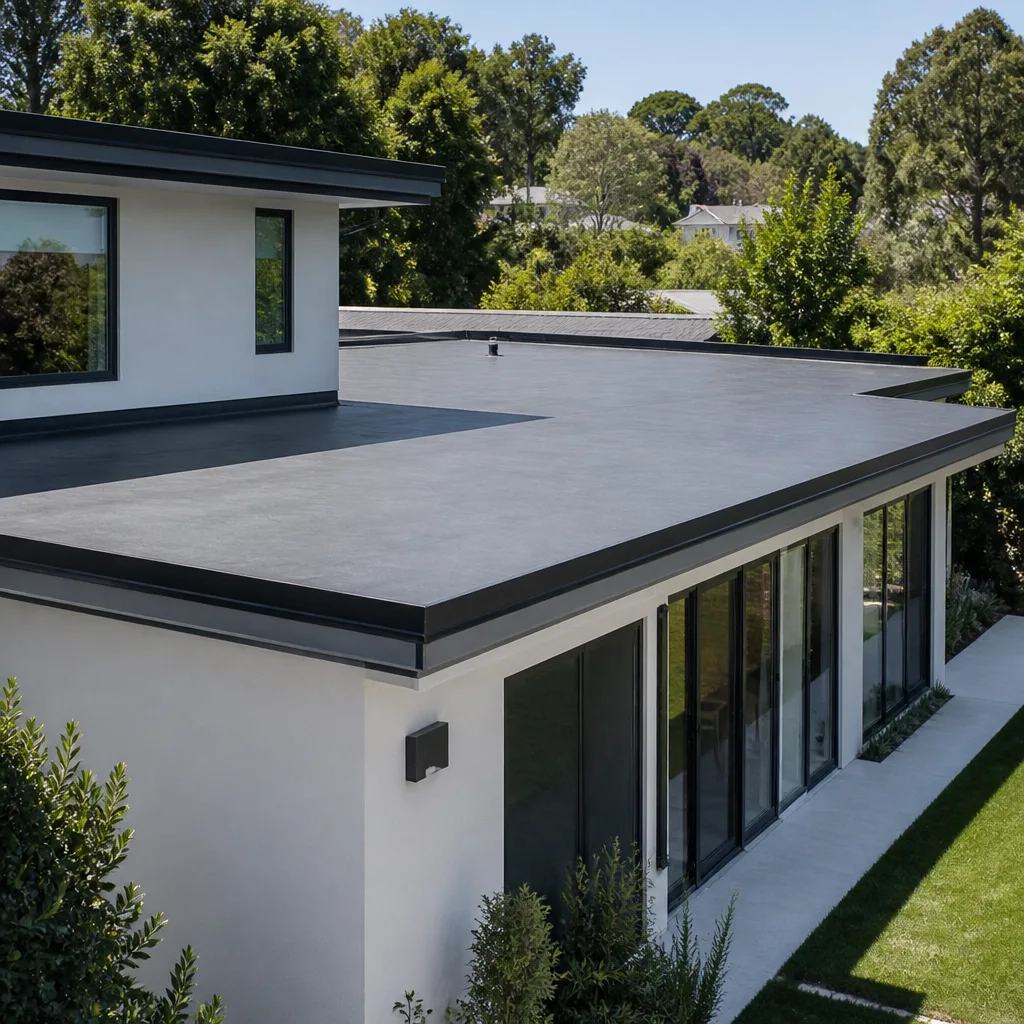 Flat & low-slope
Free roof inspection with deck photos before we talk money - GAF and Owens Corning certified installation
Styles & brands we work with
- Architectural shingles
- Metal roofing
- Tile roofing
- GAF
- Owens Corning
- Flat & low-slope
See the difference
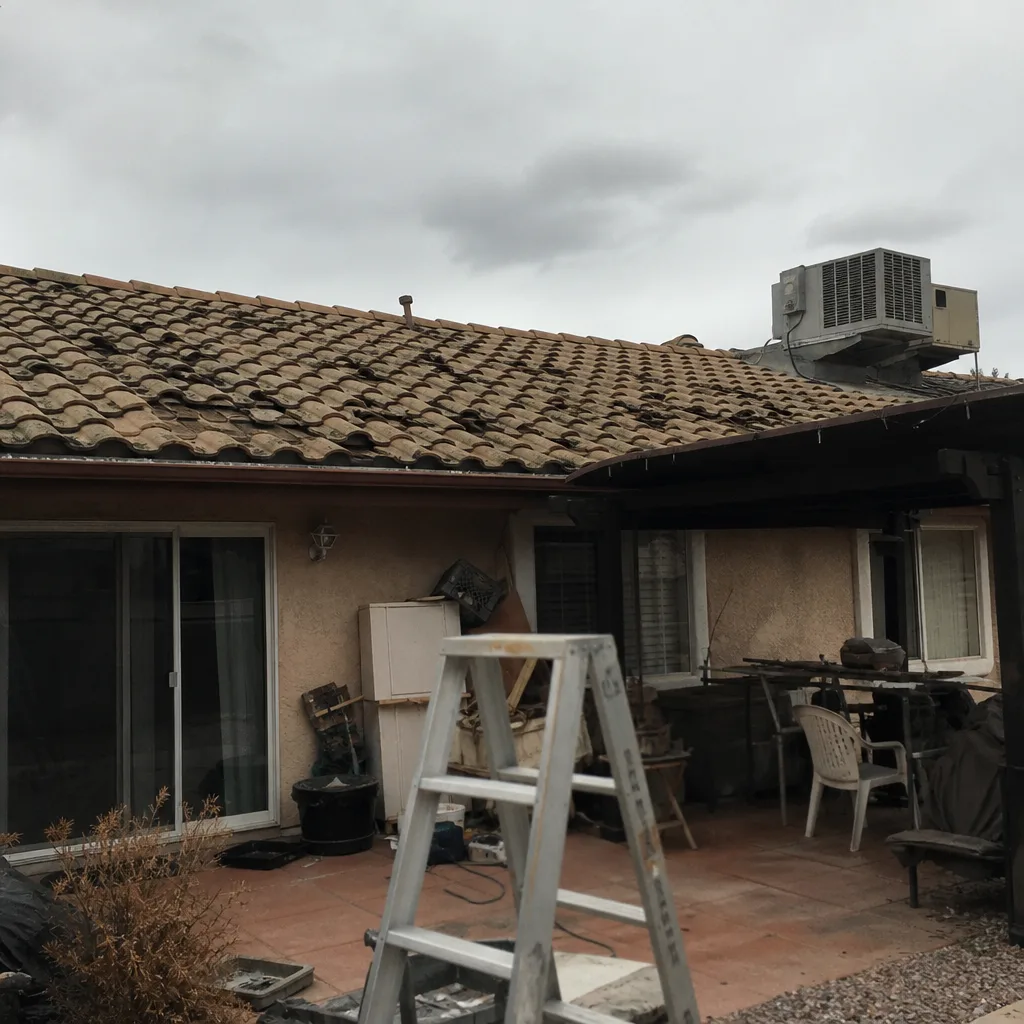 Before
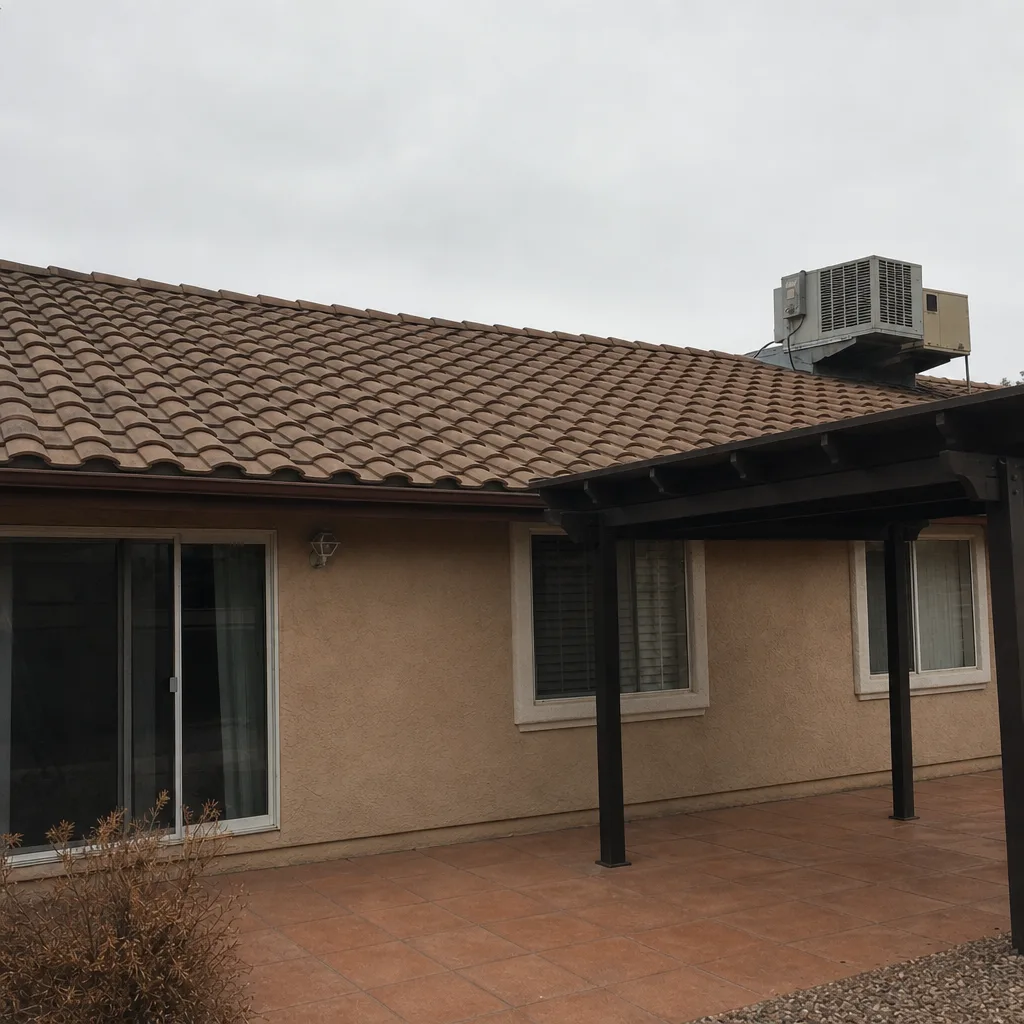 After
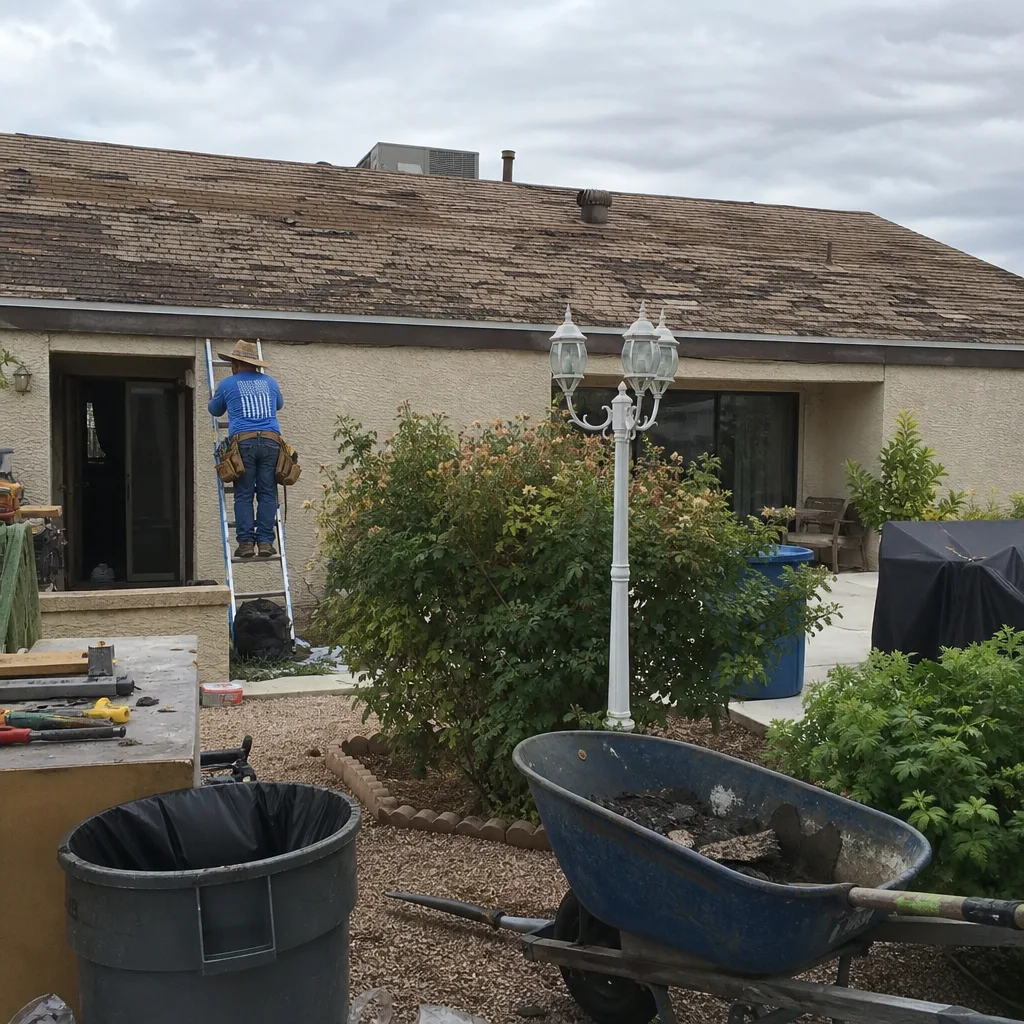 Before
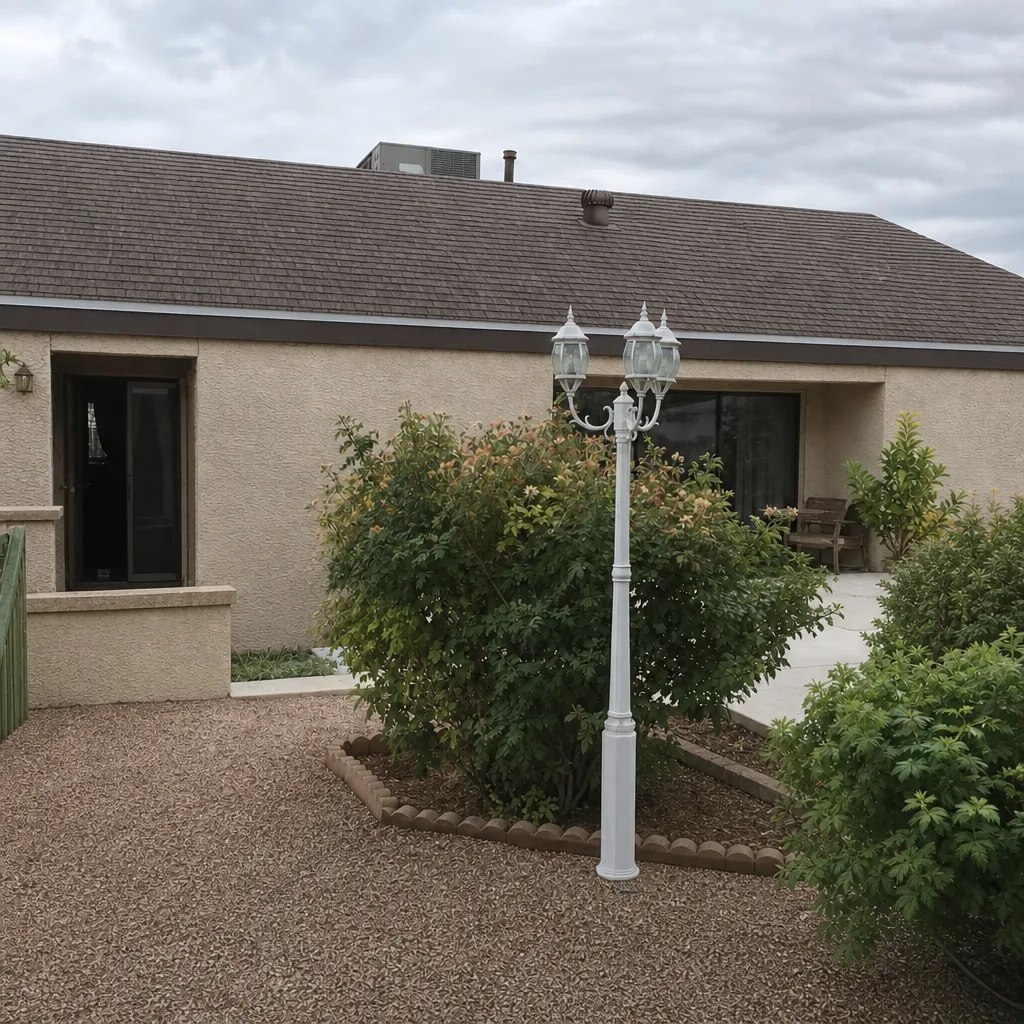 After
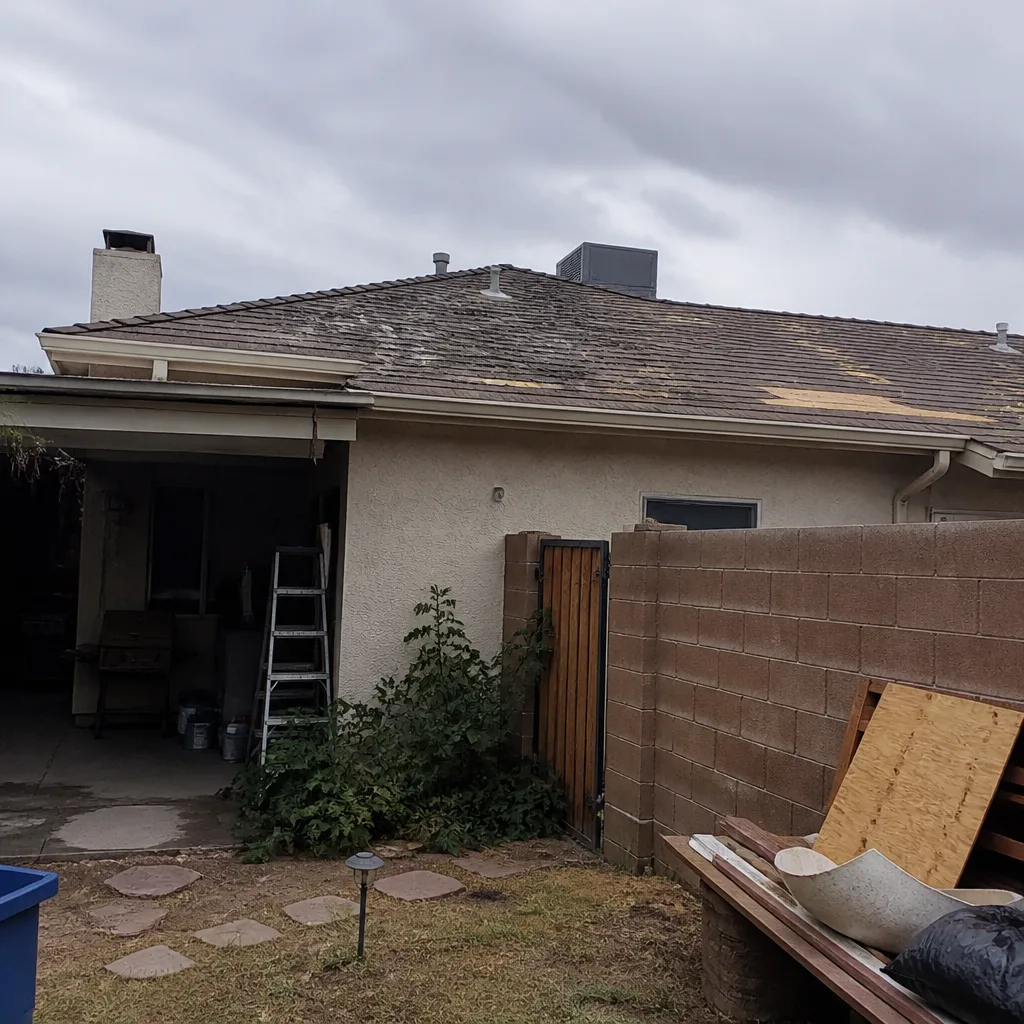 Before
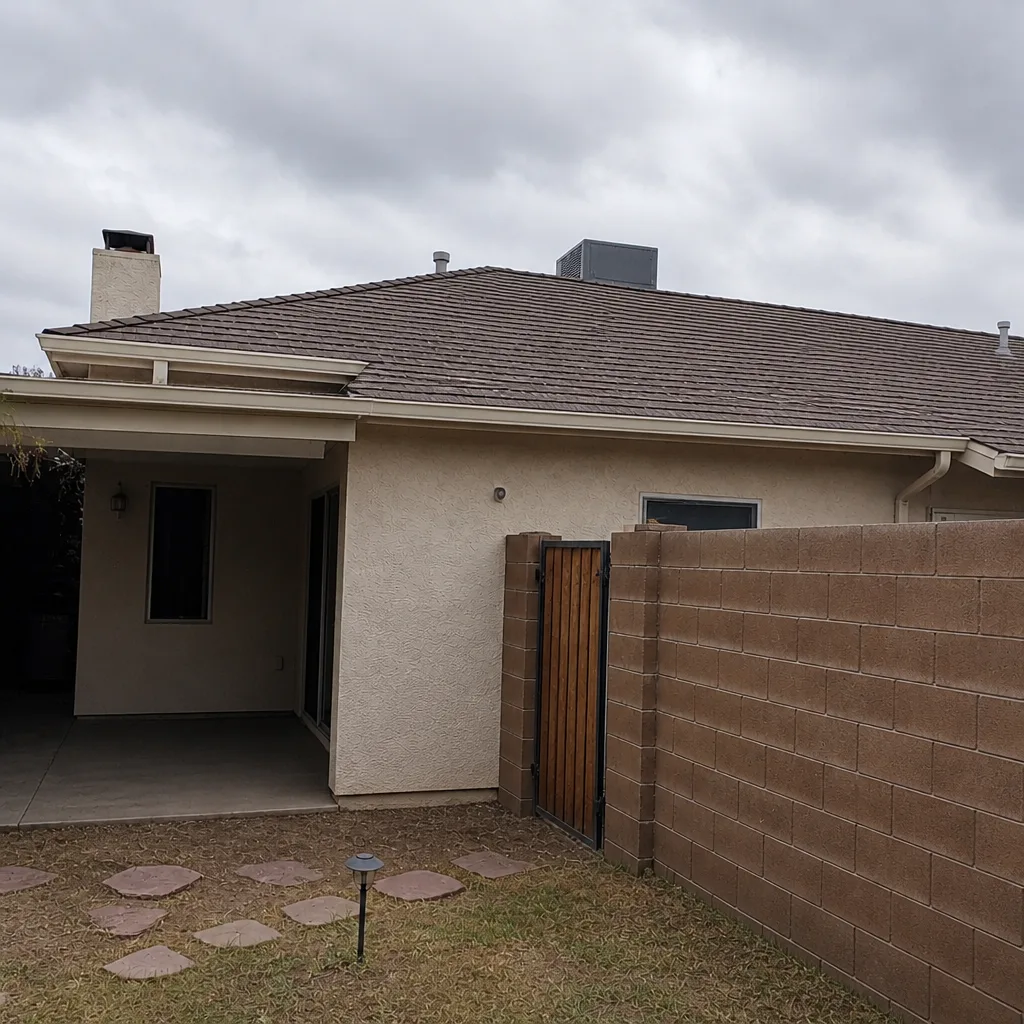 After
Signs You Need a New Roof in Henderson, NV: What Desert Tile Roofs Hide
The short answer for Henderson homeowners: the signs that matter here are not ceiling stains or missing shingles, they’re failed concrete tile underlayment, powder at the mortar joints, hairline cracks on ridge caps, daylight at the eave line, and attic temps running more than 20°F above outside air. In Henderson’s 1990s-2000s tract homes, most of these go unseen because the tile above them keeps looking fine right up until it doesn’t. If you’re unsure, call (833) 691-6717 - a photo-documented inspection is free and no one will push you toward a job you don’t need.
No water stains on the ceiling. No missing shingles. The roof looks fine from the driveway. That description fits thousands of homes across Henderson with underlayment six months from failing. Concrete tile roofs don’t telegraph trouble the way asphalt does - they hide it, then let it in all at once during the first August monsoon.
Most “signs you need a new roof” lists floating around the internet were written for wet, temperate climates where asphalt shingles fail in ways you can see from the ground. Henderson doesn’t work that way. This page covers what actually fails on desert roofs, why the absence of leaks proves less than you’d think, and how to tell the difference between an old roof and a roof that’s already done.
Why the Generic Sign List Misses Henderson’s Real Problems
The classic list - curling shingles, granules in the gutters, daylight in the attic - was written for asphalt roofs in climates with freeze-thaw cycles. Those signs do apply to the asphalt shingle roofs scattered through Henderson, but they miss the majority of what’s on top of houses here: concrete tile over underlayment.
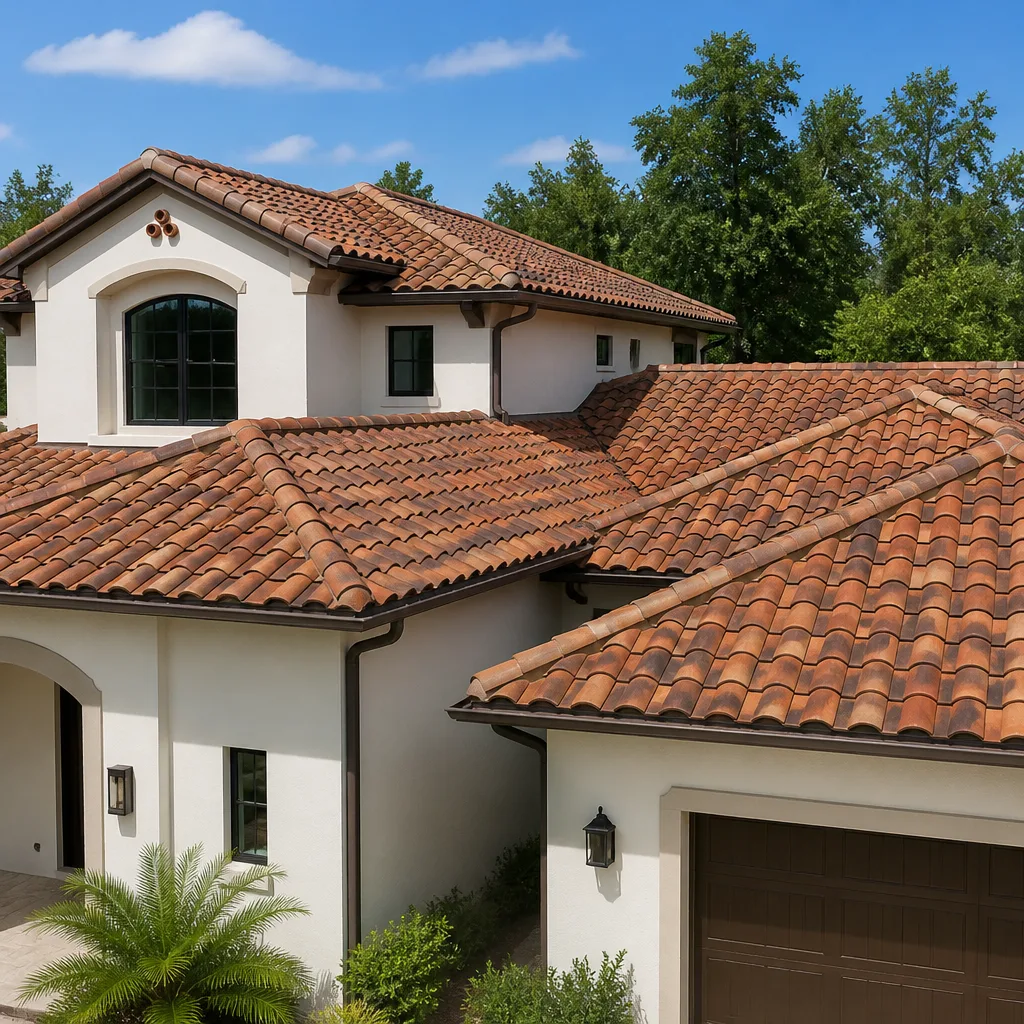
Concrete tile is a beautiful system. It’s also a two-layer system, and the visible layer isn’t the one that keeps water out. The tile sheds the bulk of the rain and takes the sun; the underlayment beneath it is the actual waterproof membrane. Tile can look perfect for 30 years while the underlayment under it bakes, embrittles, and tears. Henderson surface temps on tile routinely hit 160°F in summer - the UV index climbs past 11 most of the season - and that kind of heat cycles underlayment hard. When it goes, the whole roof fails at once, not tile by tile.
And Henderson’s housing stock makes this more urgent than most cities. The 1990s-2010s buildout brought thousands of tile and shingle roofs online at roughly the same time. Those roofs are now hitting their first major replacement cycle simultaneously - a synchronized wave of re-roof demand running through neighborhoods like Green Valley and Anthem. If your home went up between 1990 and 2005 with original underlayment under the original tile, your roof is statistically overdue for an assessment, no matter how good the tile looks.
The Five Signs Henderson Homeowners Are Never Told to Check
These are the signals that matter on a desert tile roof. None of them show up on generic checklists, and all of them can be confirmed in a single inspection.
- Tile rocking or a hollow sound when walked. A properly set concrete tile shouldn’t move or sound hollow underfoot. When it does, the dry-set mortar has failed and the tile has lost its mechanical grip. Once tiles start rocking, they let monsoon wind under the field and start sliding.
- White powder or efflorescence at the mortar joints. That chalky bloom is salt migrating out of the mortar as it repeatedly wets and dries. Its presence at joints and hips tells you moisture is getting in and out over and over - one of the earliest signs the system underneath is compromised.
- Hairline cracks at the crown of ridge cap tiles. The top ridge takes the worst of the thermal cycling. Small cracks along the crown of a ridge cap are thermal stress fractures, and they widen each season until the cap blows loose in a microburst.
- Daylight at the eave line between tile and fascia. If you can see sky between the last row of tile and the fascia board from the ground or a ladder, the underlayment has sagged or shifted. Daylight at the eave means the waterproof layer has separated from the deck.
- Attic temps running more than 20°F above outside air. Drop a thermometer in the attic on a 105°F afternoon. A reading above about 125°F tells you the radiant barrier is failing or gone, and a hot attic accelerates the underlayment’s decline from underneath. It’s a leading indicator most homeowners never think to check.
Why “It’s Never Leaked” Is the Wrong Question in Henderson
A tile roof that has never leaked is not necessarily a healthy tile roof. Failed underlayment still sheds water during light rain - it’s torn in spots, not gone, and a drizzle doesn’t stress it. Then a monsoon microburst rolls off the McCullough Range carrying 60-mph wind-driven rain at a low angle, drives water under the tile field and against every compromised flashing detail at once, and the roof that “never leaked” is suddenly letting it in through three rooms.
That’s what roofers around Green Valley and Anthem see every July through September - spikes of slipped tiles and blown ridge caps after a storm, on roofs that looked fine the week before. The foothill and lake-adjacent streets catch wind the flat, sheltered streets downtown never see, which is why the same storm that’s a nuisance in one part of Henderson is a re-roof trigger in another. A first-hand pattern we see repeatedly: homes that were fine through fifteen years of drizzle and failed inside twenty minutes of monsoon rain.
When Repair Makes Sense and When It Doesn’t
Not every sign means replacement. A handful of slipped tiles after a storm is a repair. Failed underlayment across the whole field on a 25-year-old roof is not - you can’t replace underlayment without lifting every tile, and once you’re lifting every tile, the labor dominates the cost anyway. Deciding which you’re looking at is what a real inspection answers.
| Project | What it usually involves |
|---|---|
| Storm repair (slipped tiles, blown caps) | Reset or replace individual tiles, re-seat mortar, verify flashing - often a single visit |
| Underlayment replacement | Lift and relay the full tile field over new underlayment; the economic middle ground between repair and full replacement |
| Full tile re-roof | New underlayment plus new or salvaged tile, new flashing, new ridge - the right call when the tile has passed its useful life |
| Asphalt shingle replacement | Full tear-off and re-deck as needed, then new shingles from GAF, CertainTeed, Owens Corning, IKO, Atlas, Tamko, or Boral - we install all seven lines and use no substitutes |
We quote every job with an upfront price: the number on the estimate is the number on the invoice. Most jobs finish in a single visit, and every one is backed by the 90-Day Done Right Promise - a written workmanship guarantee, no arguing, no paperwork runaround. If it isn’t right, we come back and make it right. Ridgeline Roofing Co. Henderson has been standing behind local roofs since 1984, and our technicians bring up to 10 years of hands-on experience to every inspection. If you’d like a full picture of what replacement involves, our page on Roof Replacement & Installation walks through the process, and you can always start from our home page.
What a Real Inspection Looks Like (Not a Driveway Scan)
A proper Henderson roof inspection means a technician on the actual roof surface, not a visual scan from the driveway that misses everything below the tile. Ours is photo-documented: we shoot the underlayment exposure points, the flashing conditions, and the tile seating, and you get a written report with those photos - yours to keep, whether or not you hire us for the work.
That last part matters. A contractor who has been in this town for over 42 years builds a reputation on honest assessments, not on scaring homeowners into signing in the driveway. Our technicians are background-checked and arrive in uniform, with the same standard we’d hold for work done on our own mother’s roof. Live phones answer every call, 24 hours a day, seven days a week - including nights, weekends, and the middle of a storm. When it’s a free second opinion on a written estimate you want, that’s free too. And four standing offers cover most of what people ask about: $50 off any repair over $250, $89 seasonal tune-up, a free second opinion on any written estimate, and a permanent 5% senior and veteran discount.
Once we’re up there, we’re looking for exactly what the tile hides: soft or torn underlayment at the penetrations, rusted or lifted flashing, unseated tile, sagged eave lines, and ridge caps ready to go. If the report comes back healthy, you’ll hear that from us plainly.
FAQs
If the problem is confined to a few tiles or a single flashing detail, repair is usually the answer; if underlayment has failed across the field on a roof past its service life, replacement is the only fix that lasts. The honest test is whether the waterproof layer beneath the tile is intact, and that can only be confirmed on the roof surface, not from the ground. Call (833) 691-6717 for a photo-documented inspection and a written answer - estimates are free.
Yes, in Henderson especially - a tile roof with no interior leaks can still have failed underlayment that only shows itself under monsoon volume. Light rain doesn’t stress torn underlayment the way a 60-mph microburst does, so “never leaked” is a record of light weather, not a clean bill of health. Call (833) 691-6717 and we’ll check the layer the tile is hiding.
A concrete tile roof installed in Henderson between 1990 and 2005 with original underlayment is overdue for assessment, regardless of how the tile looks. That’s the first replacement wave for the city’s big buildout, and the underlayment is the part aging out. Tile appearance tells you very little about underlayment condition. Call (833) 691-6717 for a written report with photos you keep.
Often yes - our phones are answered by a live person 24 hours a day, seven days a week, including during and right after a storm, and we’ll tell you straight when we can be there. After a monsoon microburst, slipped tiles and blown ridge caps are the priority calls, and we’d rather get eyes on them fast than leave a compromised roof open. Call (833) 691-6717 to schedule.
Have It Looked At
If you’d rather have it looked at, Ridgeline Roofing Co. Henderson offers a no-pressure assessment in Henderson - call (833) 691-6717. You’ll get photos from your actual roof, a written report you keep, an upfront price, and the plain answer to whether your roof needs work now or just watching.
Written by the team at Ridgeline Roofing Co. Henderson, serving Henderson, NV.