
Last updated November 18, 2026
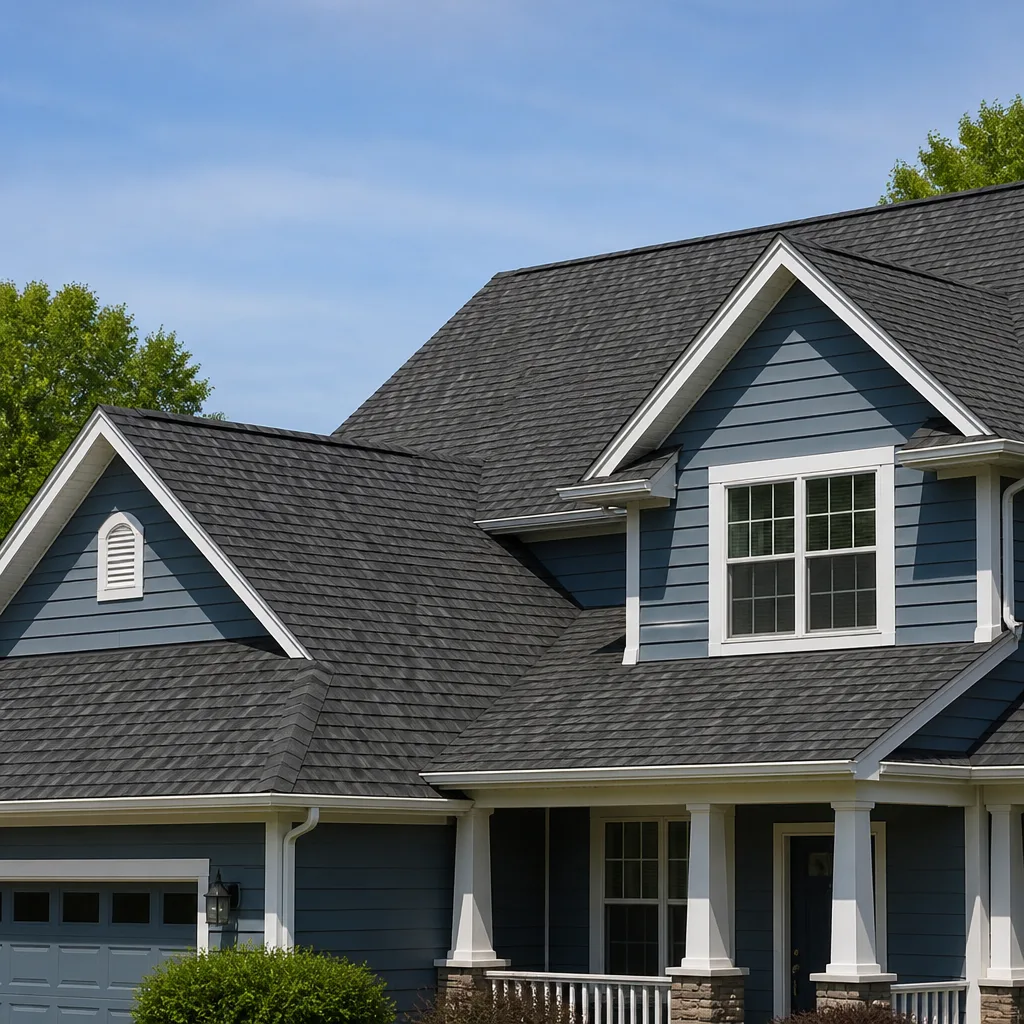 Architectural shingles
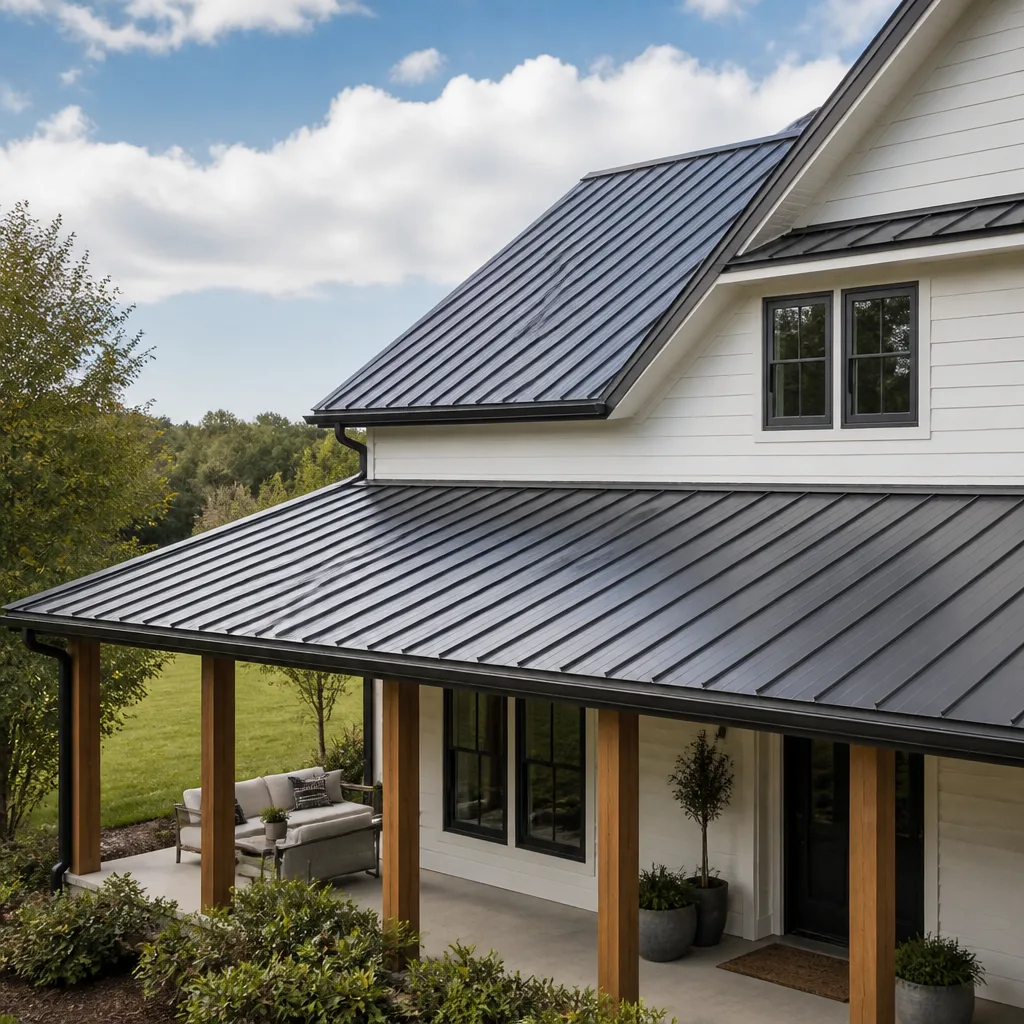 Metal roofing
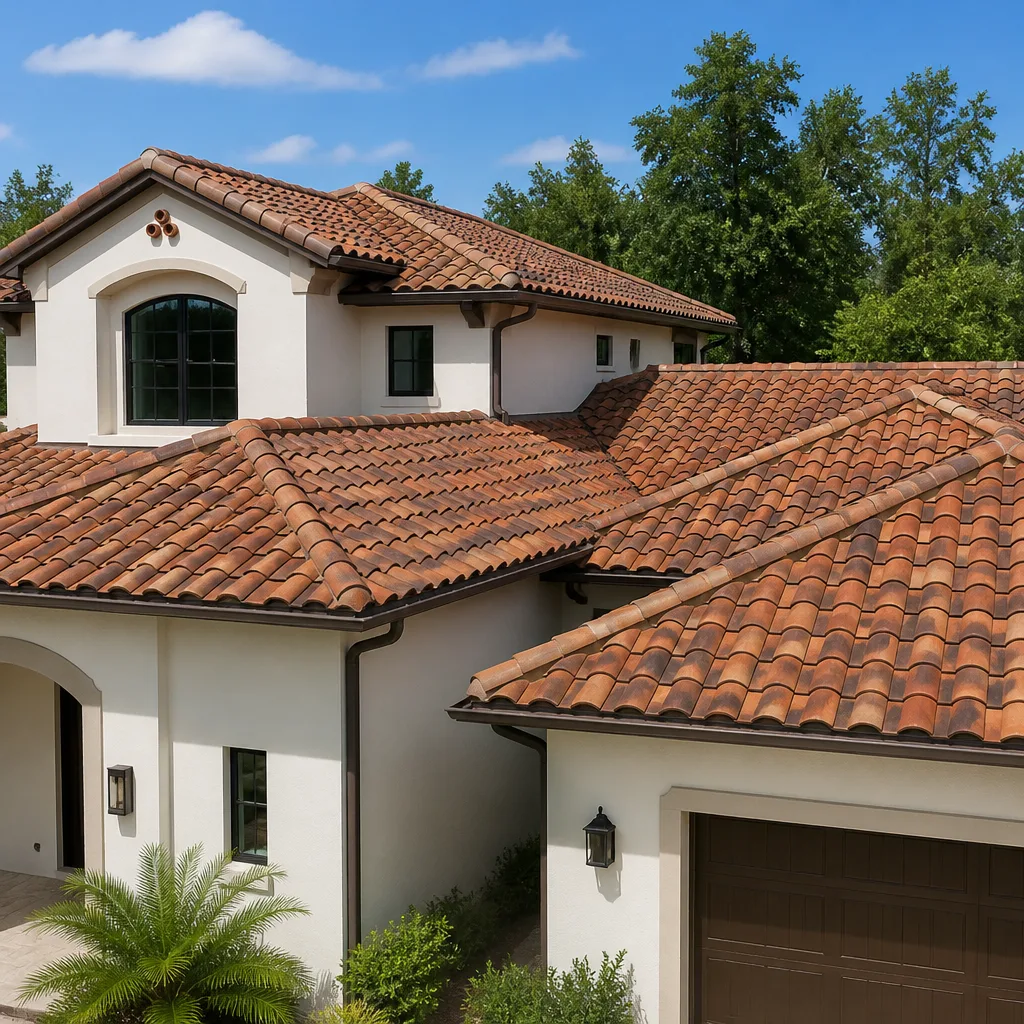 Tile roofing
 GAF
 Owens Corning
 Flat & low-slope
Free roof inspection with deck photos before we talk money - GAF and Owens Corning certified installation
How Long Does Emergency & Storm Damage Take? Timelines and What to Expect
Here is the thing almost nobody explains before a storm hits: the crew that tarps your roof at midnight after a monsoon is not the same visit that produces your repair estimate. They are two different phases with two different clocks, and homeowners who don’t know that sometimes wave off legitimate help because they expected the emergency crew to finish the whole job that night. In our experience across Henderson, that single misunderstanding causes more frustration than the storm itself. This guide breaks storm damage into three timelines – the hours, the days, and the weeks – so you know exactly which phase you’re in, what should happen next, and what to do when something stalls.
Quick Answer
Emergency storm damage work unfolds in three separate timelines. Emergency stabilization (tarping, leak control, securing the roof) happens within hours of your call. Full assessment and insurance coordination typically takes three to ten days. The permanent repair or replacement usually runs two to eight weeks, longer after a major regional storm when material lead times stretch. Knowing which phase you’re in is the single best way to avoid expecting the wrong thing at the wrong stage.
Styles & brands we work with
- Architectural shingles
- Metal roofing
- Tile roofing
- GAF
- Owens Corning
- Flat & low-slope
Table of Contents
- Phase 1: Emergency Stabilization – What Happens in the First Hours
- Phase 2: Assessment and Adjuster Coordination – The Days That Follow
- Phase 3: Materials and Permanent Repair – The Weeks Ahead
- What “Temporary Repair” Actually Means on Your Policy
- What Compresses or Extends the Timeline
- Henderson Permits vs. Unincorporated Clark County
- Common Mistakes to Avoid
- Frequently Asked Questions
Phase 1: Emergency Stabilization – What Happens in the First Hours
When you call after a monsoon or a wind event tears shingles loose, the first visit is about stopping damage, not fixing it. That distinction matters. A midnight call to a live phone line should connect you to a person, not a voicemail tree, and that person should be able to tell you what to do right now if water is coming through a ceiling.
Here’s what a stabilization visit at Ridgeline’s Henderson response actually involves:
- Assess and secure. We look for active leaks, loose or missing shingles, exposed decking, and anything that could blow free and cause injury.
- Tarp and seal. Heavy tarps are fastened over the damaged area to shed water until permanent work can begin. This is temporary by design.
- Photo-document everything. Every inspection is documented with photos taken from your actual roof, not a scary speech in the driveway. Those photos become the backbone of your insurance claim.
- Advise on safety. If water is near electrical fixtures or the ceiling is sagging, we tell you plainly to keep people out of that room and call your utility. Roof work at height and wet electrical are not DIY territory.
What does not happen at this stage: the permanent repair, the final estimate, or a full scope of work. Nobody can price a job accurately from a tarp. And anyone who quotes a final number at midnight, before daylight photos and a real inspection, is guessing. Since 1984 we’ve learned the number on the estimate should be the number on the invoice, and that only happens when the assessment is done properly first.
Phase 2: Assessment and Adjuster Coordination – The Days That Follow
Once the roof is dry and stable, the work shifts from physical to procedural. This is the phase homeowners most often misread as “nothing is happening.” In reality, most of the delay lives here.
The assessment comes first: a full photo-documented inspection to figure out the true extent of the damage, including decking and underlayment that aren’t visible from the ground. Then your insurance adjuster enters the process. After a declared weather event across Clark County – which is what a major monsoon or windstorm usually triggers – adjuster schedules fill up fast. Typical response windows stretch from a few days to a couple of weeks depending on how many claims are filed at once.
What delays an adjuster:
- High claim volume after a valley-wide event.
- Missing or thin documentation from the homeowner’s side.
- Scheduling back-and-forth when the roofer and adjuster aren’t coordinating directly.
- Disputes over scope that could have been settled with clear photos up front.
How to keep your claim moving: get your documentation in early, keep a written record of every call and date, and ask your roofer to coordinate the adjuster appointment directly. Our free second opinion on any written estimate exists partly because we’ve watched too many Henderson homeowners accept a scope that missed half the damage. A second set of eyes before the check is cut saves weeks of arguing later.
Phase 3: Materials and Permanent Repair – The Weeks Ahead
The final phase is the permanent fix, and this is where a regional storm changes everything. When a major event hits the Las Vegas Valley, every contractor is ordering tile, shingles, and underlayment at the same time. Supply that flows in a quiet month can back up for weeks when the whole valley is buying at once.
Realistic ballpark for permanent repair or replacement in Henderson:
- Minor repair (a few shingles, flashing, a small leak): usually a single visit once materials are in hand, often within a week or two.
- Moderate repair (larger sections, some decking): two to four weeks including material lead time.
- Full replacement after major storm damage: four to eight weeks, longer if a specific tile profile is back-ordered.
Working with an authorized installer of GAF, CertainTeed, and Owens Corning products means proper materials and no substitutions, but it also means we can tell you honestly when a given line is delayed and offer a sound alternative rather than leaving you guessing. We complete most jobs in a single visit when the scope allows, and standing behind the work is not a marketing line – it’s the roof repair in Henderson standard we’ve held since 1984.
What “Temporary Repair” Actually Means on Your Policy
A “temporary repair” is a protective measure meant to prevent further damage while the permanent fix is arranged – tarping, sealing, patching a small breach. Most homeowner policies require you to take reasonable steps to prevent additional damage, which is exactly why that midnight tarp matters and why skipping it can complicate your claim.
Two things homeowners often miss:
- It has a shelf life. Tarps and temporary seals are not built to last through a full season of sun and weather. Most policies expect temporary measures to become permanent within a reasonable window – think weeks, not months – so don’t let a “we’ll get to it later” tarp sit through the next storm season.
- It’s covered differently. Emergency protective measures are usually addressed as part of the claim, but permanent repairs are a separate line item. Ask your adjuster directly how each is being handled so there are no surprises.
If a tarp has been on your roof for more than a few weeks and nothing is moving, that’s a signal to call. We’ll look at it, tell you honestly how long that temporary fix can be trusted, and give you a real timeline for the permanent work.
What Compresses or Extends the Timeline
No two storm jobs run the same clock. These are the variables we watch most closely in Henderson:
- Extent of decking damage. Surface damage is quick. Compromised decking means tear-off and rebuild, which adds days and cost.
- HOA approval. Many Henderson communities require HOA sign-off on material color and style before replacement. That review can add one to three weeks and is entirely outside the roofer’s control.
- Permit processing. Henderson permits and unincorporated Clark County permits travel different paths – see below.
- Material availability. The single biggest wildcard after a regional storm.
- Insurance scope disputes. A clean, photo-documented scope shortens this dramatically.
On the compression side: a fully documented inspection, photos from the actual roof, and upfront pricing all shorten the process because nothing has to be re-argued later. The cheapest bid from a truck that won’t be in town next spring usually stretches the timeline in the end, because the job gets redone.
Henderson Permits vs. Unincorporated Clark County
Where your house sits changes your permit clock. Properties inside Henderson city limits go through the City of Henderson’s permit process; homes in unincorporated Clark County go through the county. The requirements and processing times aren’t identical, and a contractor who works both needs to know which applies to your address before the job starts.
In practice this matters for replacement and structural work far more than for small repairs, which often don’t require a permit at all. Ask directly: does this job need a permit, who pulls it, and when is the inspection scheduled? We pull permits and pass inspections as a matter of course, and we’ll tell you plainly when a job doesn’t need one. That answer is part of a square deal, not a sales tactic.
Common Mistakes to Avoid
- Expecting the tarp crew to fix everything. The stabilization visit is about stopping damage, not finishing the job. Expecting otherwise leads homeowners to turn away help that was doing exactly what it should.
- Skipping documentation before the adjuster arrives. No photos of the actual damage means a thinner claim and a longer process. Get it documented from the roof, not the driveway.
- Signing a scope without a second look. A missed line item can cost weeks of back-and-forth. That’s why we offer a free second opinion on any written estimate.
- Letting a tarp sit indefinitely. Temporary repairs have a window. In Henderson’s heat and sun, a neglected tarp can fail faster than you’d think.
- Hiring an out-of-town crew after a big storm. When they leave, so does your warranty. A company with local roots and a written guarantee is the difference between done once and done twice.
- Forgetting HOA approval. Starting a replacement before HOA sign-off can mean tearing it back off. Check first.
- Ignoring small leaks near vents and flashing. These are the ones our Henderson crews see turn into interior water damage after a second storm passes through.
See the difference
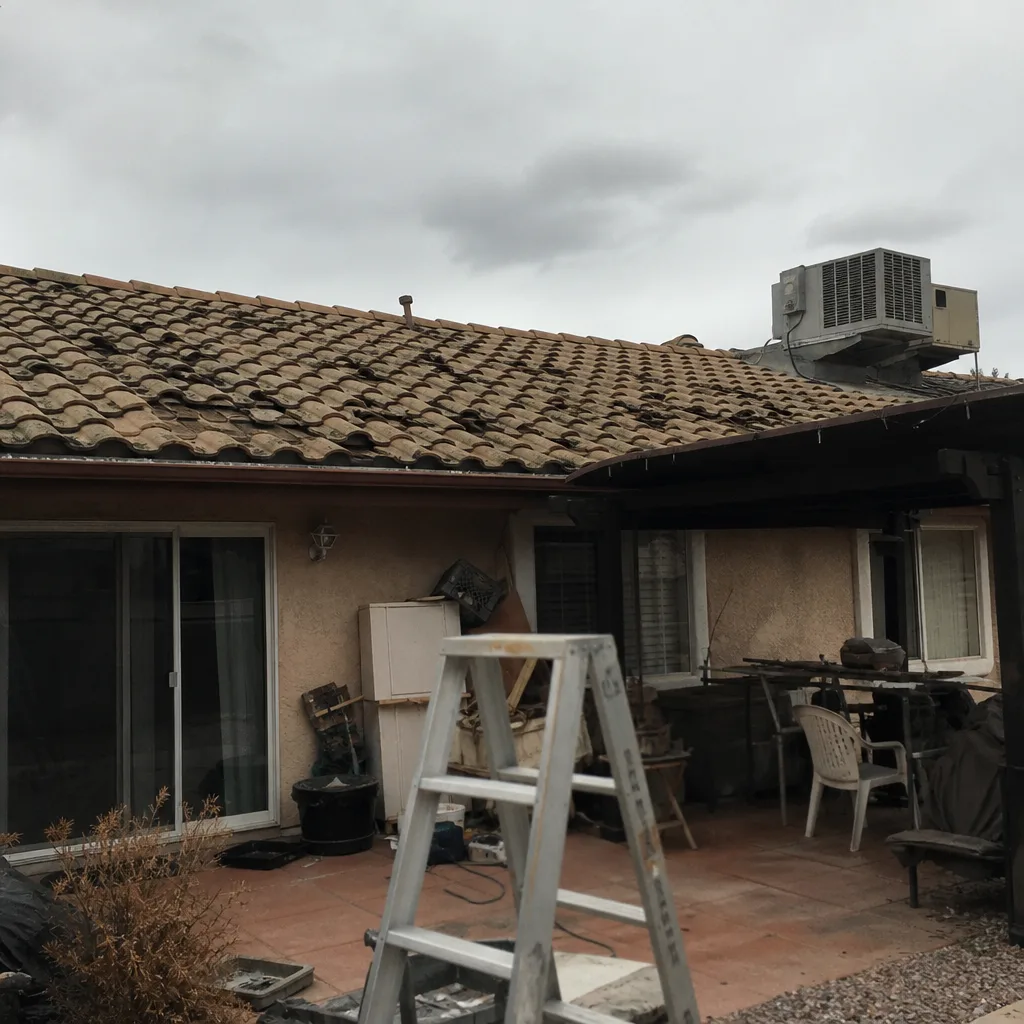 Before
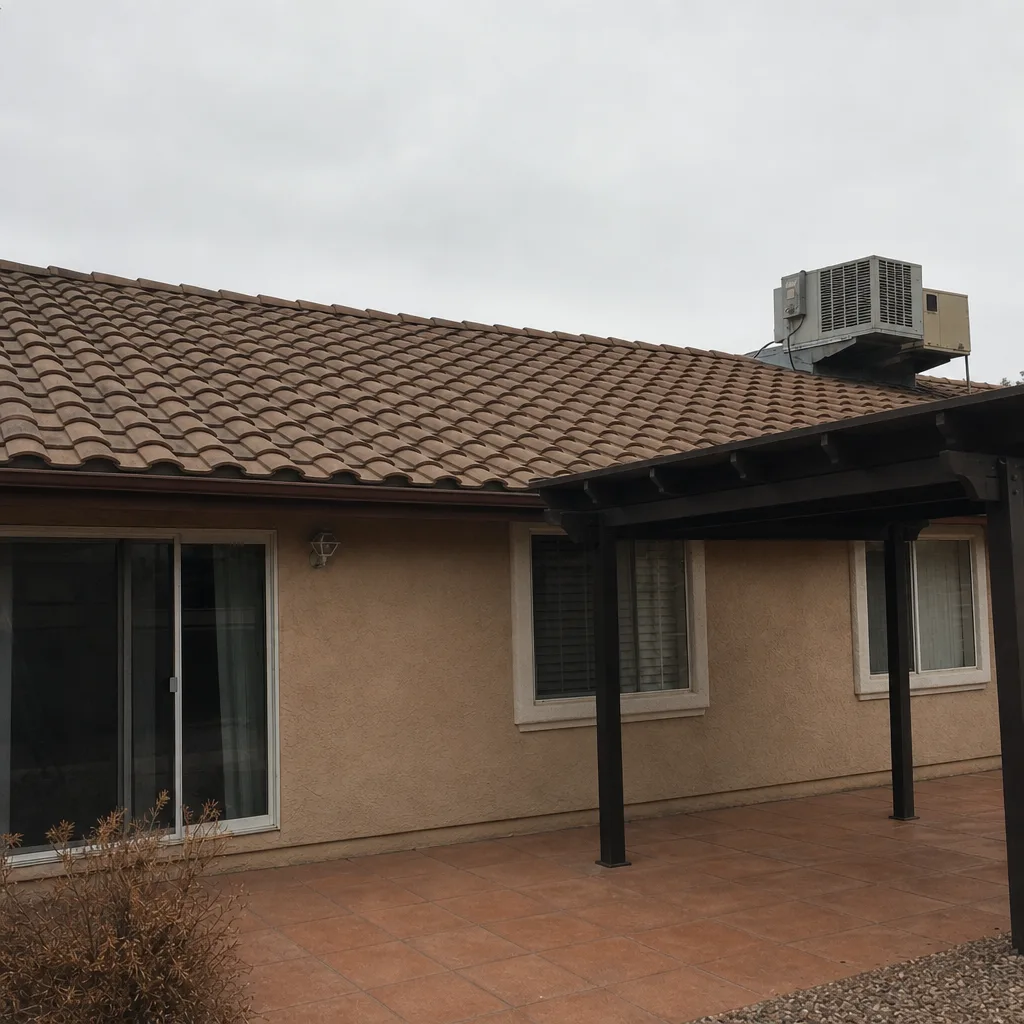 After
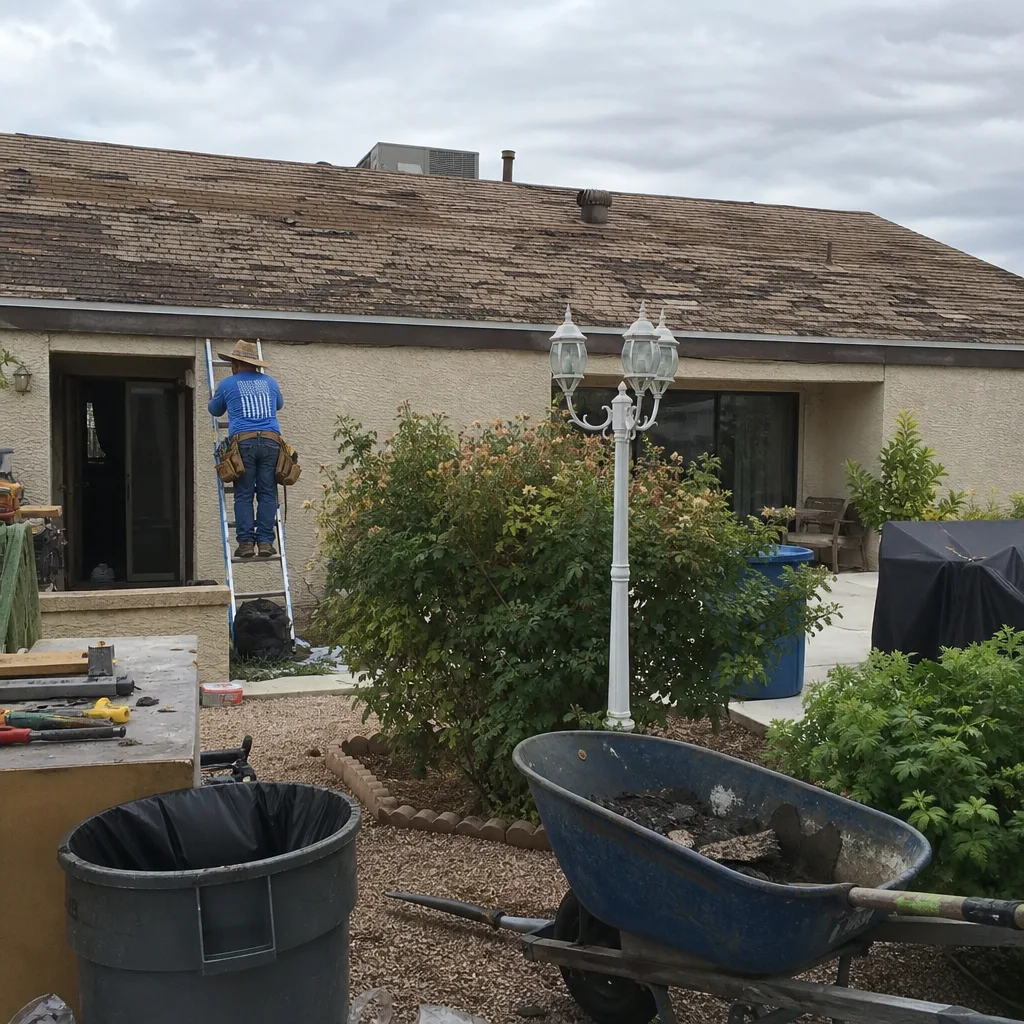 Before
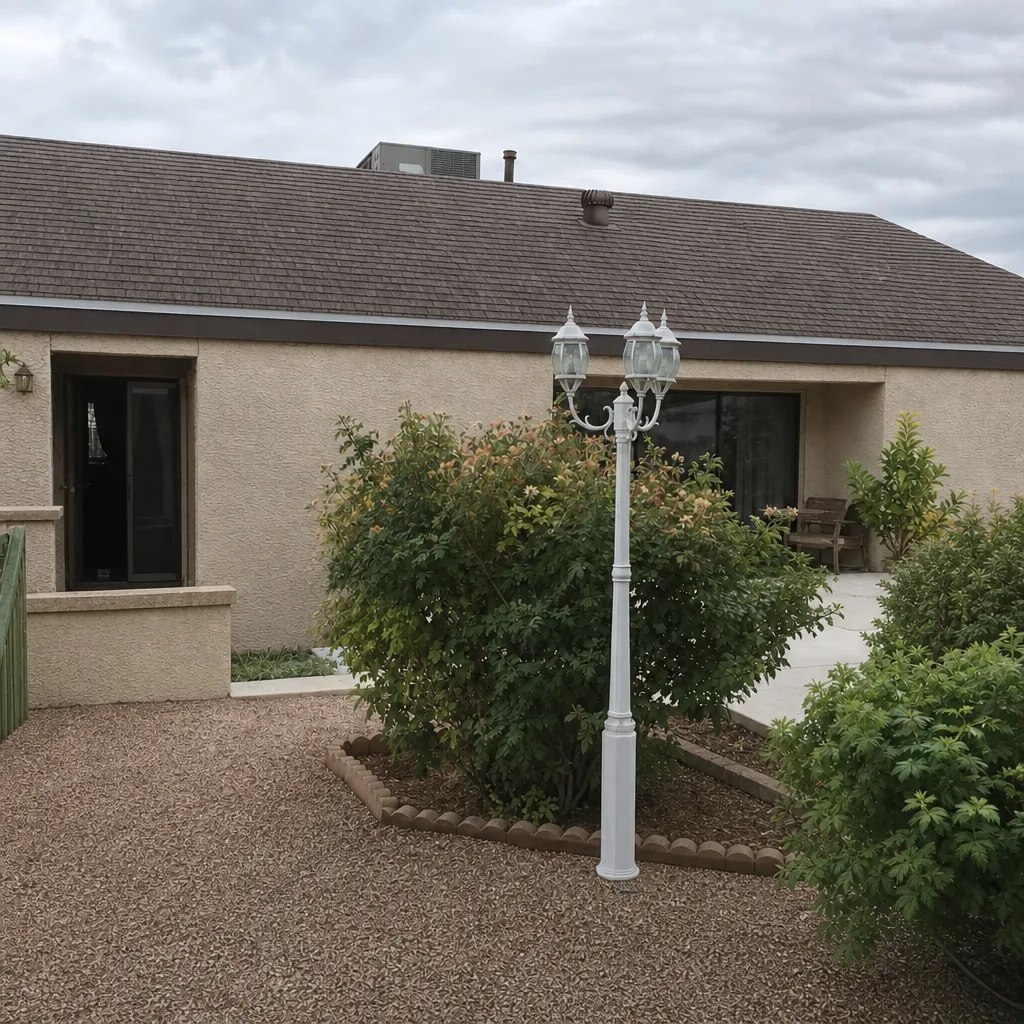 After
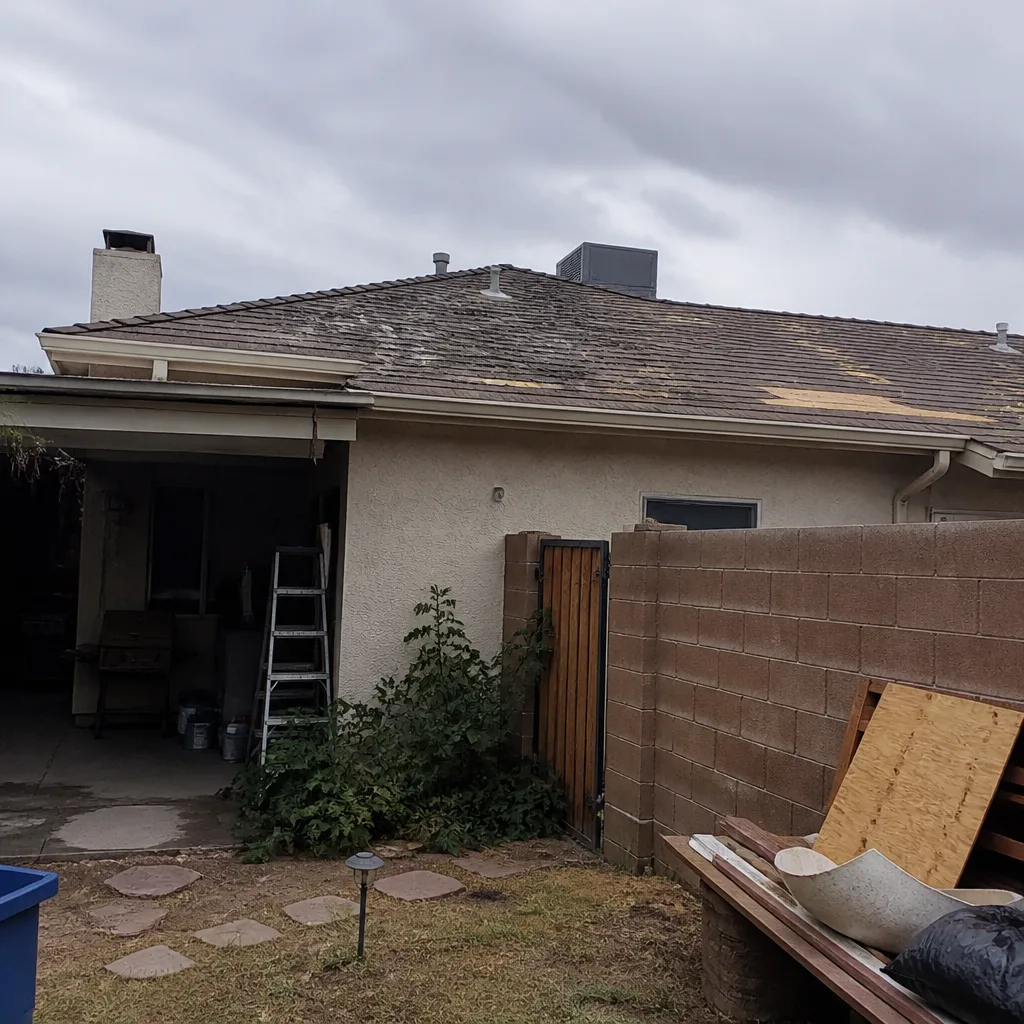 Before
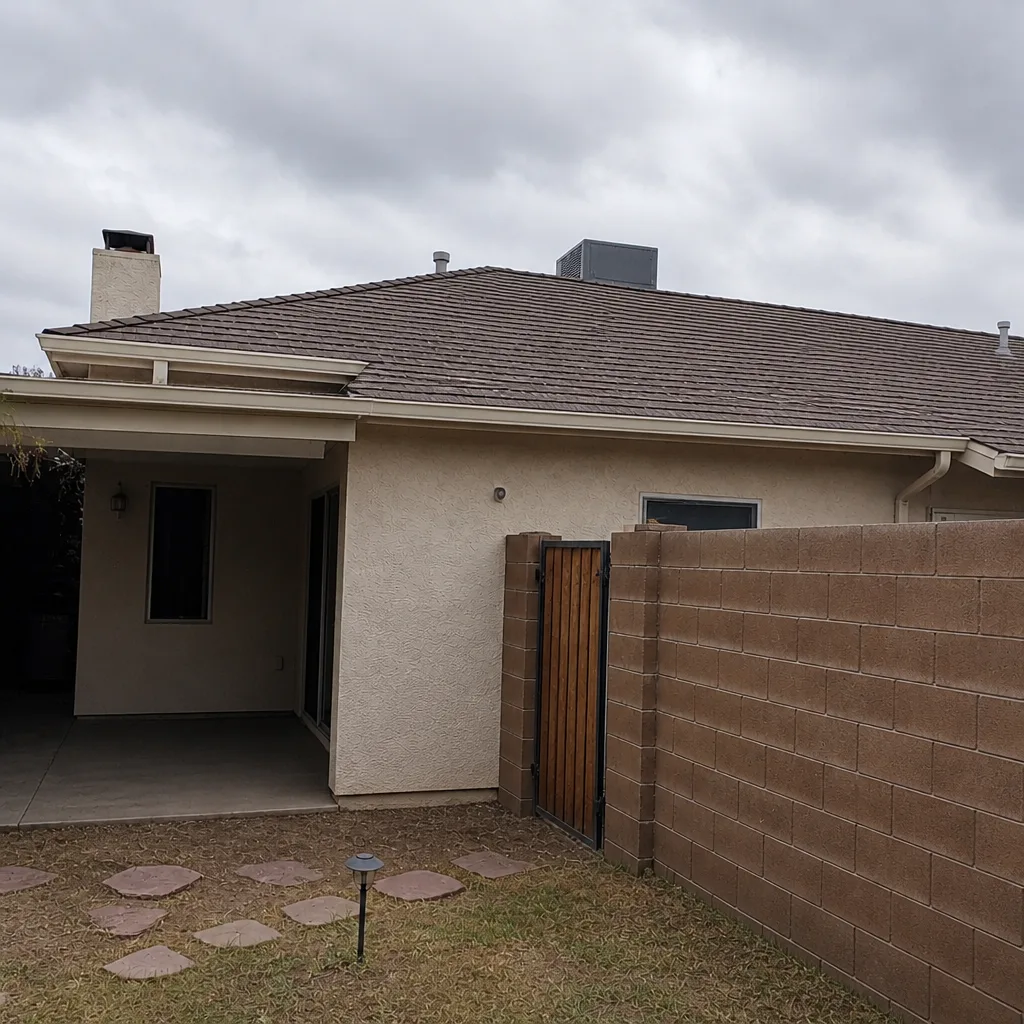 After
When to Call a Professional
Call when you see missing or lifted shingles, water staining on a ceiling, granules collecting in gutters after a storm, or daylight through the decking in the attic. Call if a tarp has been up for weeks with no plan. Call if your adjuster has gone quiet. And call if the roof is older and you’re not sure how it handled the last wind event – a photo-documented inspection tells you more than a guess ever will. We answer the phone with a live person around the clock, including the middle of a storm. Ridgeline Roofing Co. Henderson offers free estimates in Henderson – call (833) 691-6717.
Frequently Asked Questions
Typically the whole process runs from a few weeks to about two months: hours for emergency stabilization, three to ten days for assessment and insurance coordination, and two to eight weeks for permanent repair or replacement depending on material lead times after a regional storm. Call (833) 691-6717 for an exact timeline on your roof – estimates are free.
No. The first visit is stabilization – tarping, sealing, and photo documentation to stop further damage. The permanent repair happens later, after assessment and insurance coordination. That is normal and correct, not a sign anything went wrong.
After a declared weather event, response windows commonly stretch from a few days to a couple of weeks depending on claim volume. Clear documentation submitted early keeps the claim moving. Call (833) 691-6717 and we can help you coordinate the adjuster appointment.
Small repairs usually don’t require one; replacement and structural work generally do. Properties inside Henderson city limits and those in unincorporated Clark County follow different permit paths. We pull permits and pass inspections, and we’ll tell you plainly whether your job needs one.
Tarps are meant to bridge weeks, not months. Most policies expect temporary measures to become permanent within a reasonable window, and Henderson’s sun degrades tarps faster than you’d expect. If yours has been up for weeks, call (833) 691-6717.
No. We give no-hassle upfront pricing, and the number on the estimate is the number on the invoice. If something genuinely unexpected turns up under the shingles, we stop and talk to you before anything proceeds.
The Bottom Line
Storm damage moves through three clocks: the hours of emergency stabilization, the days of assessment and insurance work, and the weeks of material and permanent repair. Most frustration comes from expecting one phase’s outcome during another. Keep your documentation tight, check whether your HOA and permit path apply, and don’t let a temporary fix outlive its shelf life. A roof on the specialty roofing in Henderson side of a storm deserves the same care as any roof replacement and installation in Henderson – and with the 90-Day Done Right Promise, if it isn’t right, we come back and make it right. Call (833) 691-6717 to schedule your free estimate. You can also start at our Ridgeline Roofing Co. Henderson home page.
Written by the team at Ridgeline Roofing Co. Henderson.