
Last updated November 18, 2026
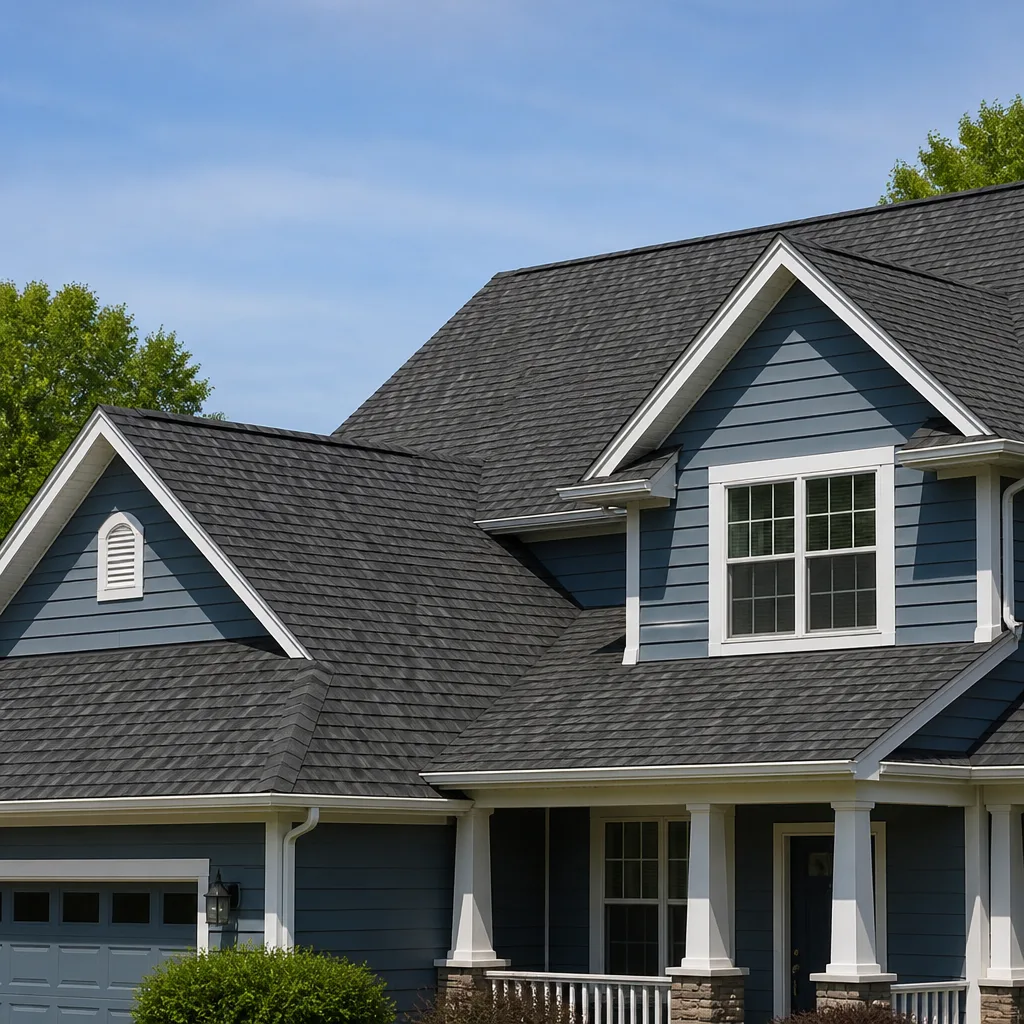 Architectural shingles
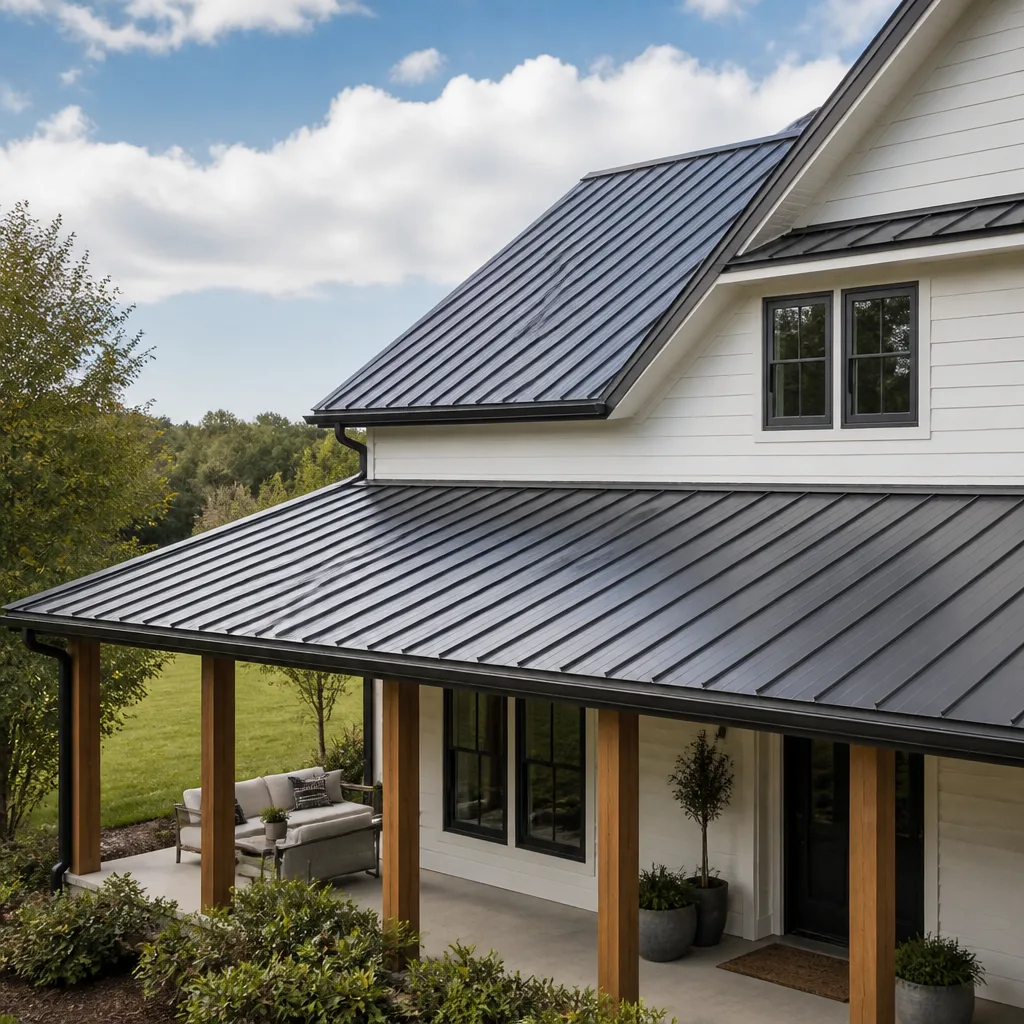 Metal roofing
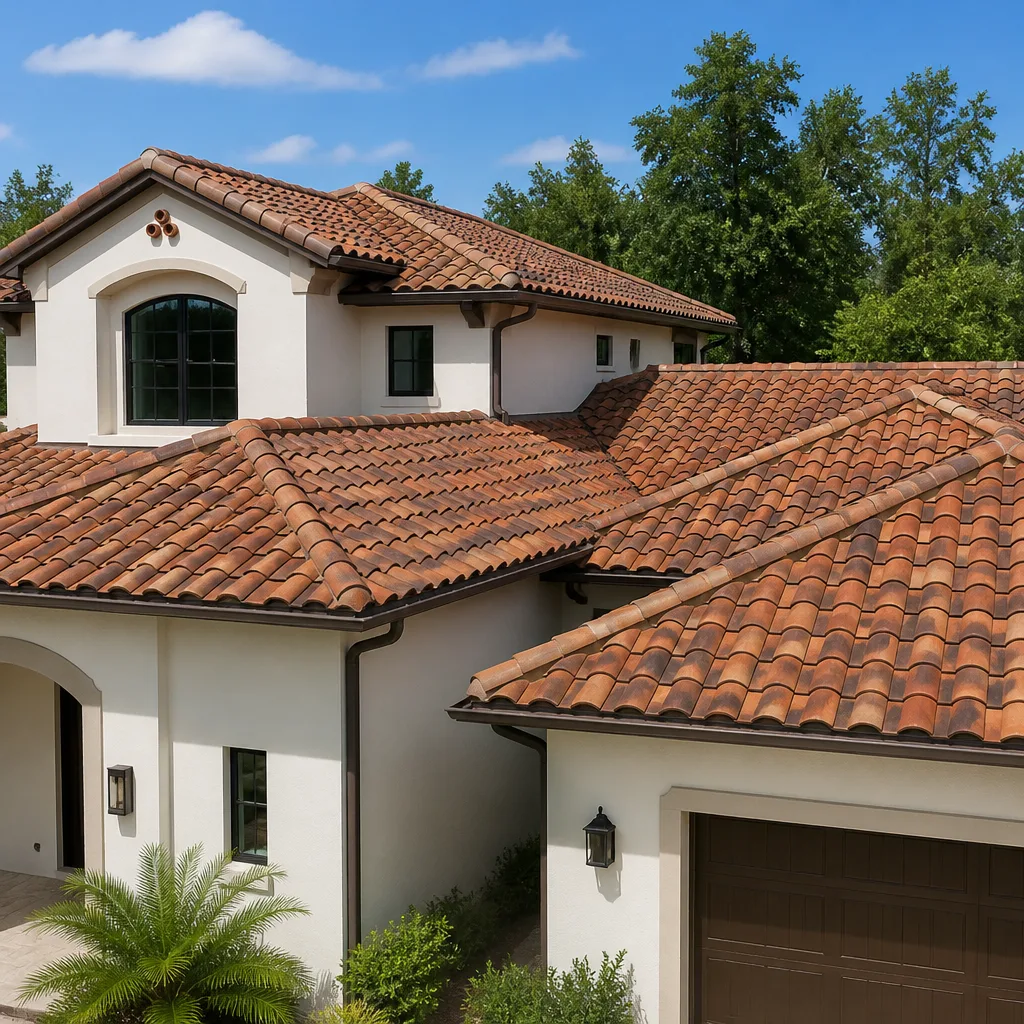 Tile roofing
 GAF
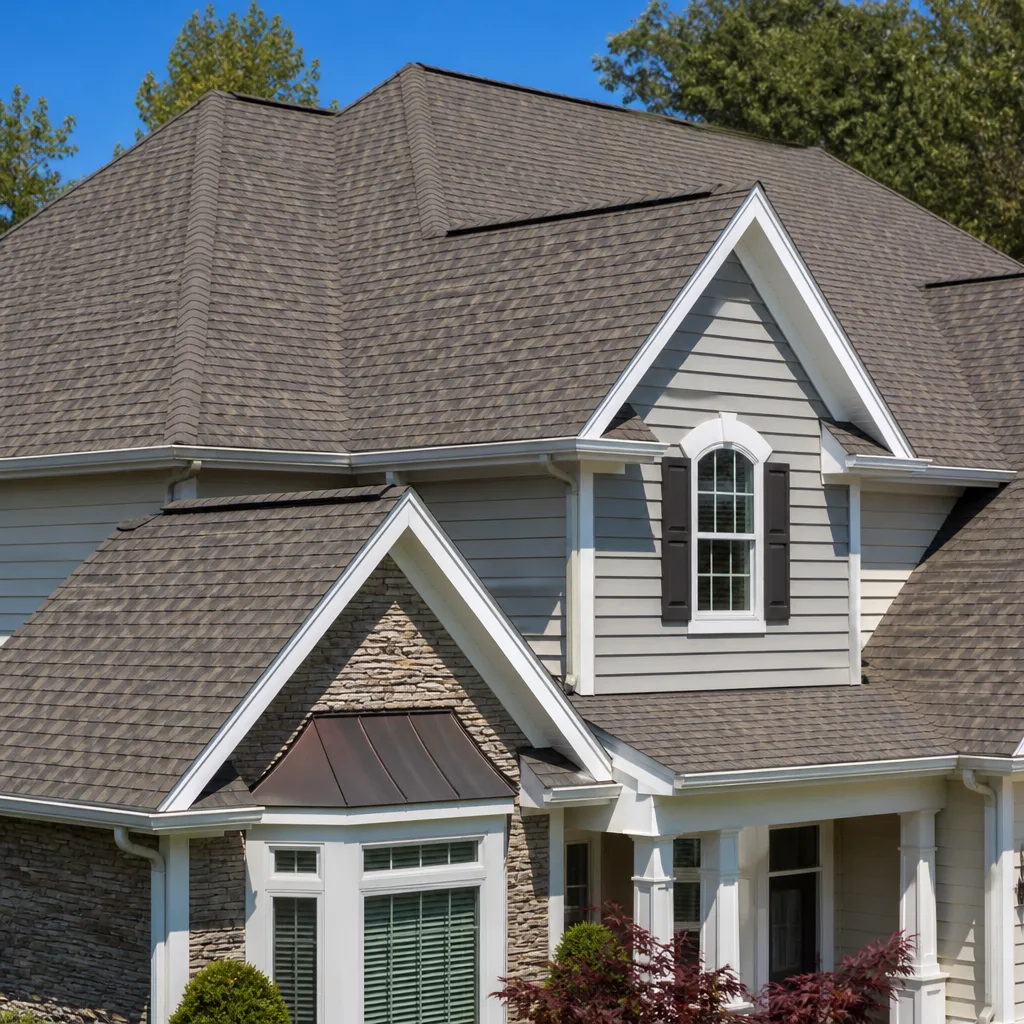 Owens Corning
 Flat & low-slope
Free roof inspection with deck photos before we talk money - GAF and Owens Corning certified installation
DIY vs Professional Emergency & Storm Damage: What’s Safe to Do Yourself
Every year, a second wave of storm-related injuries follows the original weather event by 12 to 48 hours – homeowners climbing onto roofs to “just take a look” on decking that took on water and impact and is no longer predictable underfoot. We’ve seen it across Henderson after a hard monsoon push or a spring wind event: the storm passes, the sun comes out, and the driveways fill with ladders. The urge to act is natural. It’s also, in most cases, the wrong first move. What follows is a plain guide to the line between safe action and dangerous overreach, and that line isn’t about how handy you are. It’s about whether the structure under you has been confirmed sound.
Quick Answer
It is not safe to walk on a storm-damaged roof until the decking underneath has been confirmed sound – and after most storms you can’t confirm that from the ground, which means roof access is a professional’s call. What is safe to do yourself: contain water inside the house, document damage from the ground with your phone, divert active water streams at ground level, and call your insurer. Everything above the gutters waits for a trained inspection.
Styles & brands we work with
- Architectural shingles
- Metal roofing
- Tile roofing
- GAF
- Owens Corning
- Flat & low-slope
Table of Contents
- The Roof-Access Decision Tree
- Safe DIY Actions That Protect Your Home Without Roof Access
- The Temporary Tarp Scenario: When You Can, When You Can’t
- What DIY Repair Attempts Do to Your Insurance Claim
- What to Tell a Contractor When You Call
- Why Henderson Storms Are Hard on Roofs
- What a Proper Post-Storm Inspection Looks Like
- Common Mistakes to Avoid
- When to Call a Professional
- Frequently Asked Questions
Key Takeaways
- Safe vs. unsafe isn’t about your skill – it’s about whether the roof deck is sound.
- Water-damaged sheathing can fail underfoot even when shingles look fine.
- Ground-level documentation and interior containment are your two best DIY moves.
- Tarping yourself is only reasonable on a low, gentle-slope, single-story roof – and even then, cautiously.
- Repairs made before an adjuster sees the damage can complicate a claim.
The Roof-Access Decision Tree
Most storm-damage advice skips the real question. It jumps straight to “don’t get on the roof” or “go check for missing shingles,” when the answer depends entirely on conditions. Here’s the decision tree we walk homeowners through when they call after a storm in Henderson.
Do not go on the roof if any of these are true:
- You can see sagging, dipping, or a soft spot in the roofline from the ground. That’s the deck telling you it’s compromised.
- Water is actively entering the house. Active leaks mean the sheathing is saturated, and saturated sheathing loses strength fast.
- There’s standing water, hail, or wet debris on the surface. Traction disappears.
- The pitch is steep or the roof is two stories or higher. Fall risk stacks on top of structural risk.
- You’re alone, and no one knows you’re up there. A fall with no one to call for help is the worst-case scenario.
- The roof is older than roughly 15 to 20 years. Older decking has less reserve strength when wetted.
A brief roof walk may be reasonable only if all of these are true: the roof is single-story, low-slope (roughly 4:12 pitch or flatter), visibly intact with no sagging, and dry. Even then, wear grippy shoes, keep a phone in your pocket, and stay off the surface entirely if you have balance or mobility concerns. In our experience, most Henderson homeowners over 60 are better served watching from the ground.
Safe DIY Actions That Protect Your Home Without Roof Access
You can do real, meaningful work after a storm without ever leaving the ground. These actions reduce damage, preserve your claim, and keep you safe – and they take less than an hour.
- Contain water inside. Place buckets under drips, move furniture and electronics away from ceilings, and roll up area rugs. Use towels at the base of doors where water is seeping in.
- Photograph everything from the ground. Walk the perimeter with your phone and shoot wide shots first, then close-ups of every damaged area. Capture any debris that landed on the roof. Time-stamp it all.
- Divert active water streams at ground level. A garden hose aimed at a downspout outlet, or a temporary extension to move water away from the foundation, keeps water from pooling at the base of the house.
- Clear gutters you can safely reach. If gutters are clogged, water backs up under the shingles. Clear what you can reach from a step ladder set on level ground, never from the roof edge.
- Turn off power to any wet area. If water is near outlets, switches, or ceiling fixtures, shut off the breaker to that zone before you do anything else.
- Call your insurer first, then a contractor. Insurers want documentation, not action. Get the claim opened before anything is touched beyond containment.
None of these steps require getting on a roof, yet together they protect your home, your claim, and your safety far more than a risky inspection would.
The Temporary Tarp Scenario: When You Can, When You Can’t
Tarping is the one DIY move people ask us about most, and the honest answer is that it depends on the roof. A ridge-to-eave tarp can work wonders on a single-story roof with a gentle slope – but the same task on a two-story roof, a steep pitch, or a wet surface is a professional job, and the risks don’t shrink because you’re “just putting up a tarp.”
You can consider tarping yourself if: the roof is single-story, the slope is gentle enough to walk comfortably when dry, the surface is dry, you have a helper on the ground, and the damage is a discrete opening rather than a wide swath.
Call a professional if: the roof is two stories or higher, the pitch is steep, any part of the surface is wet or icy, the damage is broad, you’re not confident on a ladder, or you’re over 60 and have any balance concern. Fall risk is not a matter of nerve. It’s physics.
Deploy the tarp ridge-to-eave so water sheds off the same direction it always did. Overlap seams so higher courses sit over lower ones. Weigh the edges with sandbags, not bricks – bricks become missiles in another storm. Keep the tarp off any active vent or skylight. And photograph it before and after, because your adjuster will want to see both the damage and the mitigation.
If any of this sounds uncertain, stop. A failed DIY tarp can cause more damage than no tarp, and the fix costs more than the mitigation saved.
What DIY Repair Attempts Do to Your Insurance Claim
There’s a real distinction between mitigation and repair, and it matters for your claim. Mitigation – containing water, tarping, photographing – is expected and often required. Repair – replacing shingles, patching flashing, nailing down anything – can void portions of your claim or muddy the picture for your adjuster.
Here’s the rule of thumb: if the work would appear on a contractor’s invoice, it’s a repair, not mitigation. Insurance policies typically require you to prevent further damage; they do not require you to fix it. Doing repairs before an adjuster documents the damage is one of the most common ways homeowners in Henderson lose portions of an otherwise valid claim.
What to do instead:
- Document the damage thoroughly before anyone touches it.
- Keep every receipt for materials you buy (tarps, buckets, fans).
- Photograph any mitigation you perform.
- Leave repairs to licensed professionals whose work your insurer can verify.
A written, photo-documented inspection from a professional carries weight with adjusters in a way a homeowner’s phone photos often don’t. That’s part of why we send technicians who photograph the actual roof, not a sales pitch from the driveway.
What to Tell a Contractor When You Call
When you call after a storm, the four pieces of information below let us dispatch the right crew with the right materials on the first visit – instead of a return trip that stretches the job into a second week.
- Where the damage is. “The northeast corner of the roof” or “above the upstairs hallway” is enough to start. Note whether you saw it from the ground or spotted it from inside the house.
- Whether water is actively entering. “It’s dripping into a bucket” gets a different response than “it stopped yesterday.”
- The age and material of your roof. If you know your shingles are asphalt, tile, or Boral, say so. If you don’t know, that’s fine – we’ll determine it on-site.
- Your insurer’s claim number, if you have one. This isn’t required to schedule an inspection, but it speeds the documentation your adjuster needs.
Have your address confirmed, your gate code ready, and any dogs secured. If your roof is over 20 years old or the pitch is steep, tell us that too – it changes the equipment and the crew.
Every call is answered by a live person. No voicemail, no callback window. When you’re standing in a wet hallway at 9 p.m., that matters. Call (833) 691-6717 for a free estimate.
Why Henderson Storms Are Hard on Roofs
Henderson’s monsoon season (roughly July through September) delivers short, violent bursts of rain and wind that are harder on roofs than steady moisture. A half-inch of rain in twenty minutes with 50 mph gusts does damage in ways gentle storms don’t: wind lifts shingles and drives water sideways under them, and the sudden water volume overwhelms any weak point in the flashing.
We see the same patterns across neighborhoods like Green Valley, Anthem, and Seven Hills. Homes built during the 1990s and early 2000s are now 25 to 35 years old – right at the age when shingles lose their seal and decking is more vulnerable to saturation. Add the summer heat and the dry-wet-dry cycle, and a roof that looked fine in June can fail in August. Wind-driven rain also gets under ridge vents and into valleys, which is where the first interior stains often appear.
That combination – sudden water, high wind, aging decking – is exactly why a post-storm roof inspection should happen before anyone climbs. The storm may have moved tiles without cracking the deck. Or it may have done both. You can’t tell from the ground.
What a Proper Post-Storm Inspection Looks Like
A real inspection is more than a look-see. Here’s what a thorough one covers, and what you should expect from any contractor who shows up after a storm in Henderson.
- Ground-level survey first. Binocular and photo assessment of the full roof surface – ridge, valleys, flashing, vents, and gutters – before anyone steps on the roof.
- Interior check. Attic and ceiling inspection for stains, wet insulation, and light coming through the deck.
- Controlled roof access. Technicians walk the surface only where the deck is confirmed sound, using proper safety gear.
- Photo documentation. Every finding photographed from the actual roof – not described from the driveway. You should get a copy.
- A written estimate. Line-item pricing with no surprises, plus what’s covered by insurance versus what isn’t.
We’ve built our entire post-storm process around that sequence. Our crews are background-checked and arrive in uniform, and every inspection is photo-documented so you can see exactly what we see. If something is wrong, you’ll know exactly what it is and what it costs to fix.
You can also review our Roof Repair in Henderson service for what the repair side of a storm call looks like.
Common Mistakes to Avoid
- Climbing the roof before the deck is confirmed sound. The most common and most dangerous mistake. Water-saturated sheathing can fail without warning – get a professional inspection first.
- Making permanent repairs to beat the adjuster. Replacing shingles or flashing before an adjuster documents the damage can weaken or void your claim. Mitigate, document, wait.
- Tarping without securing the edges. A tarp that comes loose in the next wind event becomes a hazard and does nothing. If you tarp, weigh the edges with sandbags and check them after wind.
- Ignoring the interior until the ceiling sags. Water travels. A small stain on a bedroom ceiling can mean a soaked deck above. Check the attic, not just the ceiling.
- Hiring the first storm-chaser who knocks. The out-of-town contractor who shows up the day after the storm may be gone the week after. Any contractor who won’t put their workmanship guarantee in writing is telling you something.
- Waiting days to call. Water damage compounds. A leak that starts as a drip becomes a ceiling replacement if it sits. Call the day of the storm, or the next morning.
- Not photographing the damage. Your insurer needs a record. If you only have a description and no photos, the claim moves slower and the scope is easier to dispute.
- Assuming a missing shingle is the only damage. Wind-driven rain gets under intact shingles along the edges – the visible damage on top is often smaller than the water damage underneath.
When to Call a Professional
Call a professional the day water is entering your home, the day you see sagging or a soft spot in the roof, the day the storm moved tiles and you’re not sure the deck is sound. Call if your roof is more than 15 years old, if the pitch is steep, if you’re over 60 with any balance concern, or if a tarp feels like more than you can do safely. Call before you attempt a repair your insurer hasn’t seen. In every one of these cases, an inspection costs nothing beyond the phone call, and it prevents the most expensive mistakes.
Ridgeline Roofing Co. Henderson offers free estimates in Henderson – call (833) 691-6717. A live person answers every call, day or night. We’ve been doing this since 1984, and we back every job with the written 90-Day Done Right Promise: if it isn’t right, we come back and make it right, no paperwork, no arguing. You can also explore our Roof Replacement & Installation in Henderson service if storm damage leads to a full replacement, or our Specialty Roofing in Henderson work for tile and other non-standard roofs.
Frequently Asked Questions
No, not until the decking underneath has been confirmed sound – and you can’t confirm that from the ground. Storm impact and water absorption can weaken sheathing even when the shingles look intact. Walk the perimeter, photograph from the ground, and let a professional decide whether the roof is walkable. Call (833) 691-6717 for an inspection.
Only on a single-story, low-slope, dry roof with a helper on the ground and discrete damage rather than a broad swath. On a two-story home, a steep pitch, or a wet surface, a professional should tarp. The fall risk outweighs the benefit of doing it yourself. Call (833) 691-6717 if you’re unsure.
It can. Mitigation like tarping and containment is expected; permanent repairs made before an adjuster documents the damage can weaken or void portions of your claim. Document everything, keep receipts, and leave repairs to licensed professionals. Call (833) 691-6717 for a photo-documented inspection your insurer can verify.
Our inspection is free with a written estimate. You should never pay out of pocket for a storm-damage inspection before knowing what’s damaged and what your insurer will cover. Call (833) 691-6717 to schedule – the estimate and the inspection cost you nothing.
Open your insurance claim and contain water inside – buckets, towels, moving furniture away from drips. Then photograph the damage from the ground before anyone touches it. Roof access waits for a professional inspection. Call (833) 691-6717 for a same-week visit.
Look for interior clues: ceiling stains, wet attic insulation, daylight visible through the deck, or musty smells. Exterior clues include missing or lifted shingles, dented flashing, and granules in the gutters. If any appear, call (833) 691-6717 for a photo-documented inspection.
The Bottom Line
After a storm, the safest thing you can do is also the most effective: contain water inside, document damage from the ground, and call your insurer. Roof access waits until the deck has been confirmed sound – that’s the line, and it isn’t about how handy you are. A tarp on a low, gentle slope, with a helper, can be reasonable. Permanent repairs made before an adjuster sees the damage can cost you your claim. When you’re ready for a professional to take the roof question off your shoulders, call (833) 691-6717 – Ridgeline Roofing Co. Henderson answers every call, backs every job with the 90-Day Done Right Promise, and installs from seven manufacturer lines including Ridgeline Roofing Co. Henderson home standards with GAF, CertainTeed, and Owens Corning materials. We’ve been at this since 1984. We’ll be here next spring.
Written by the team at Ridgeline Roofing Co. Henderson.
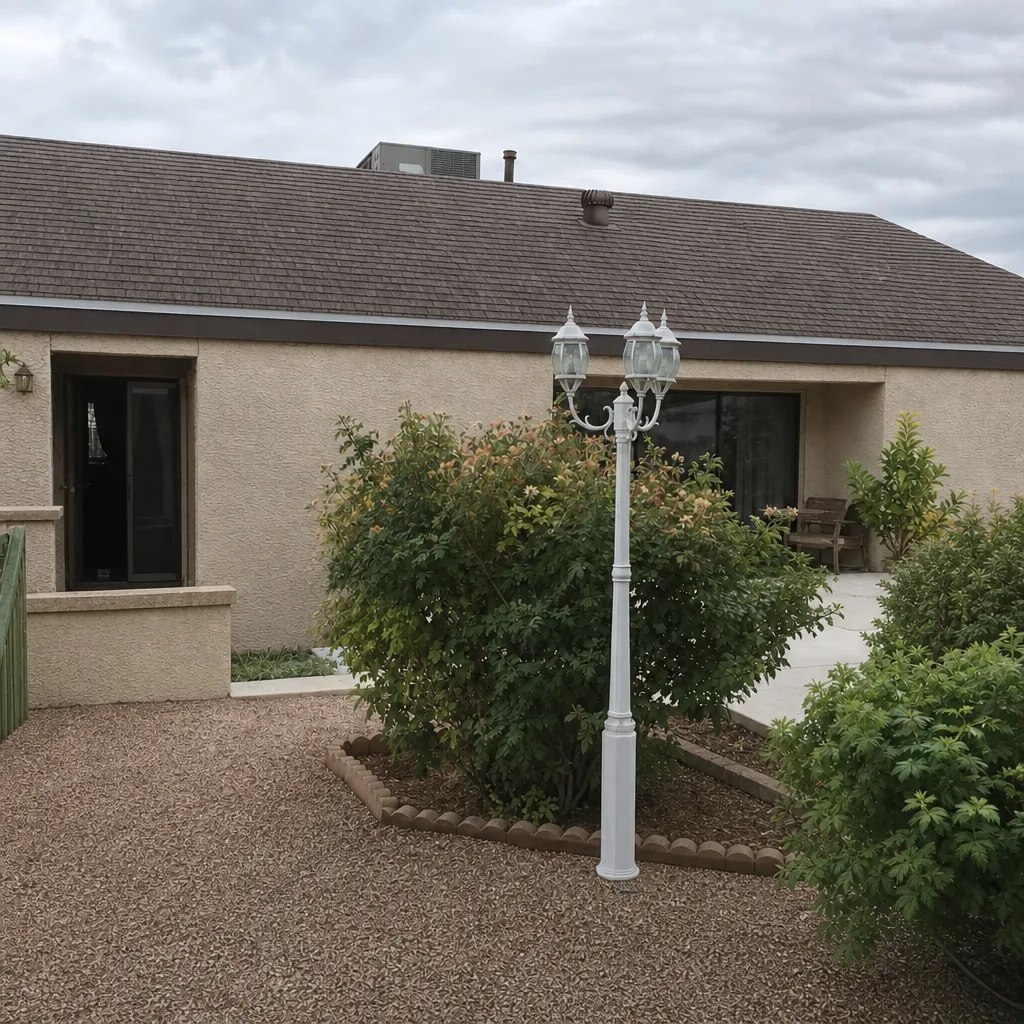
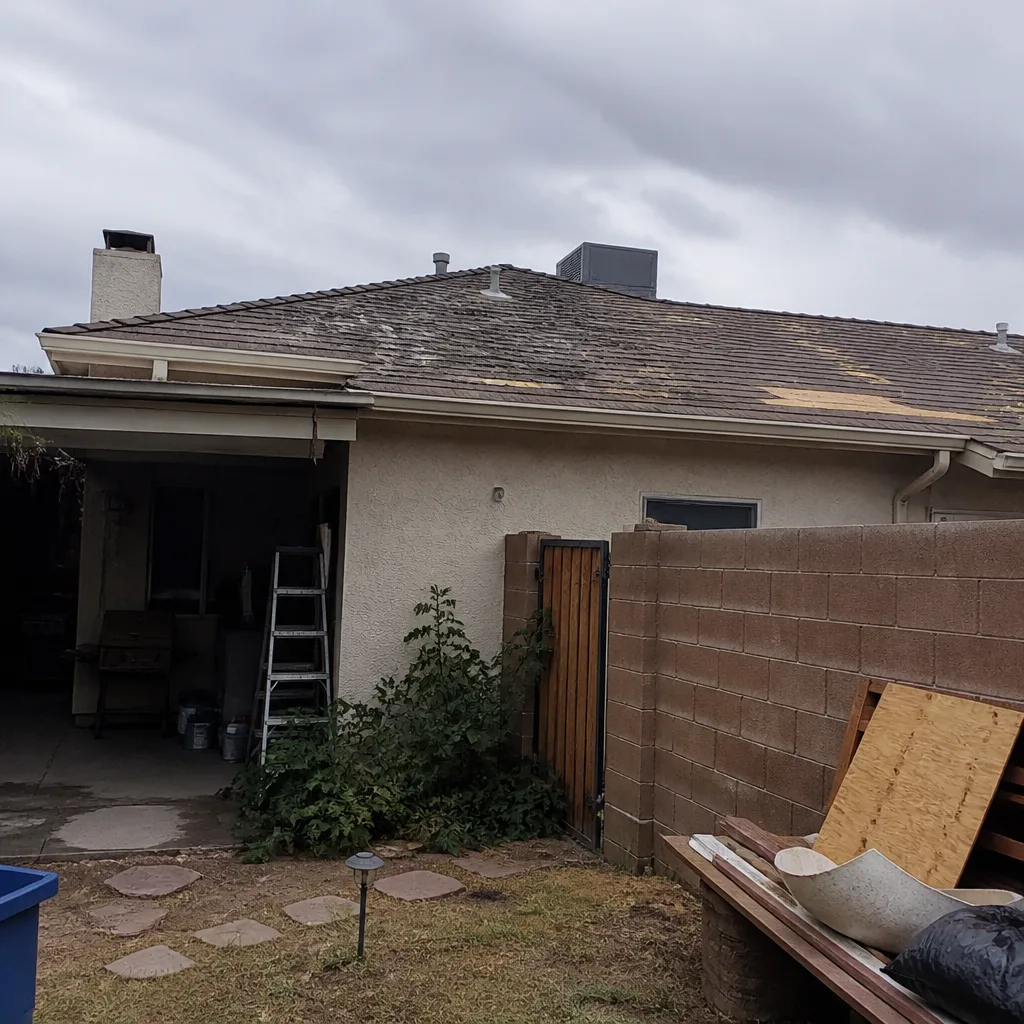
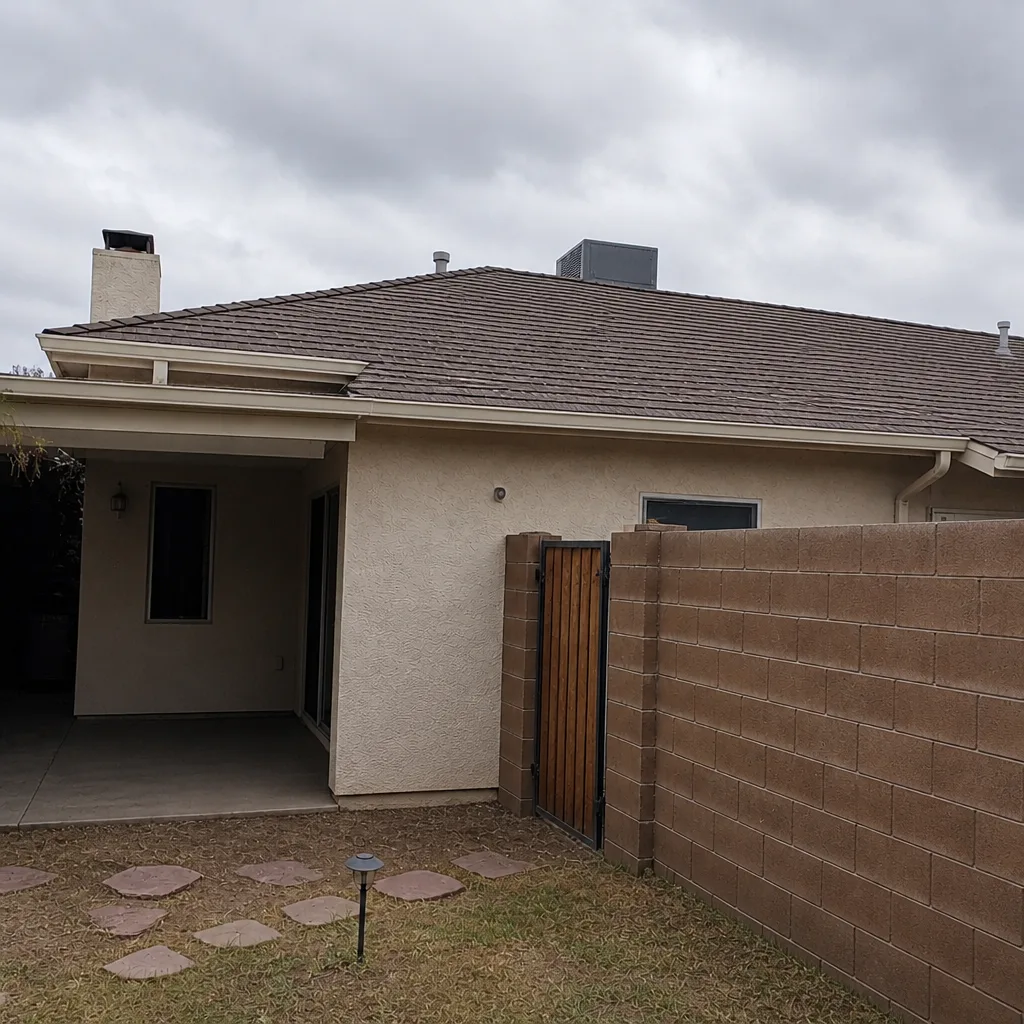
See the difference
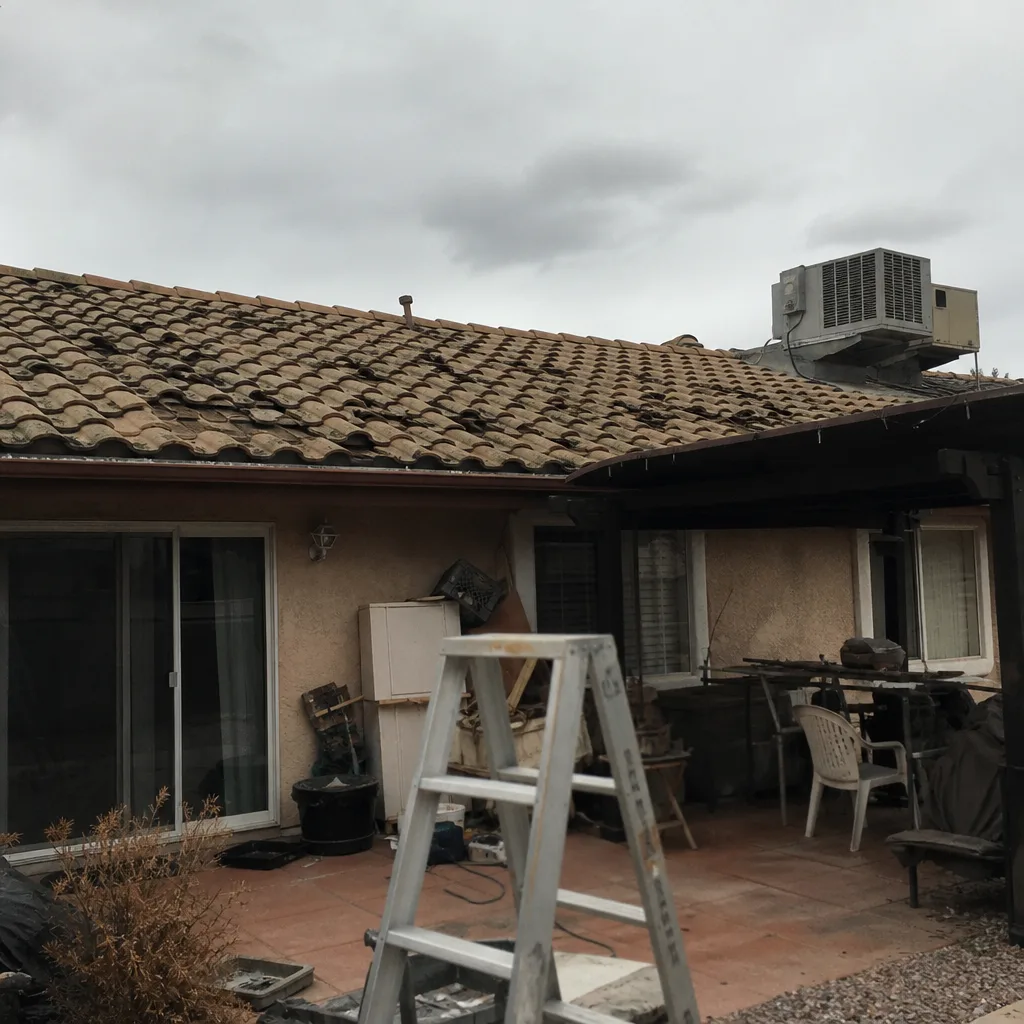 Before
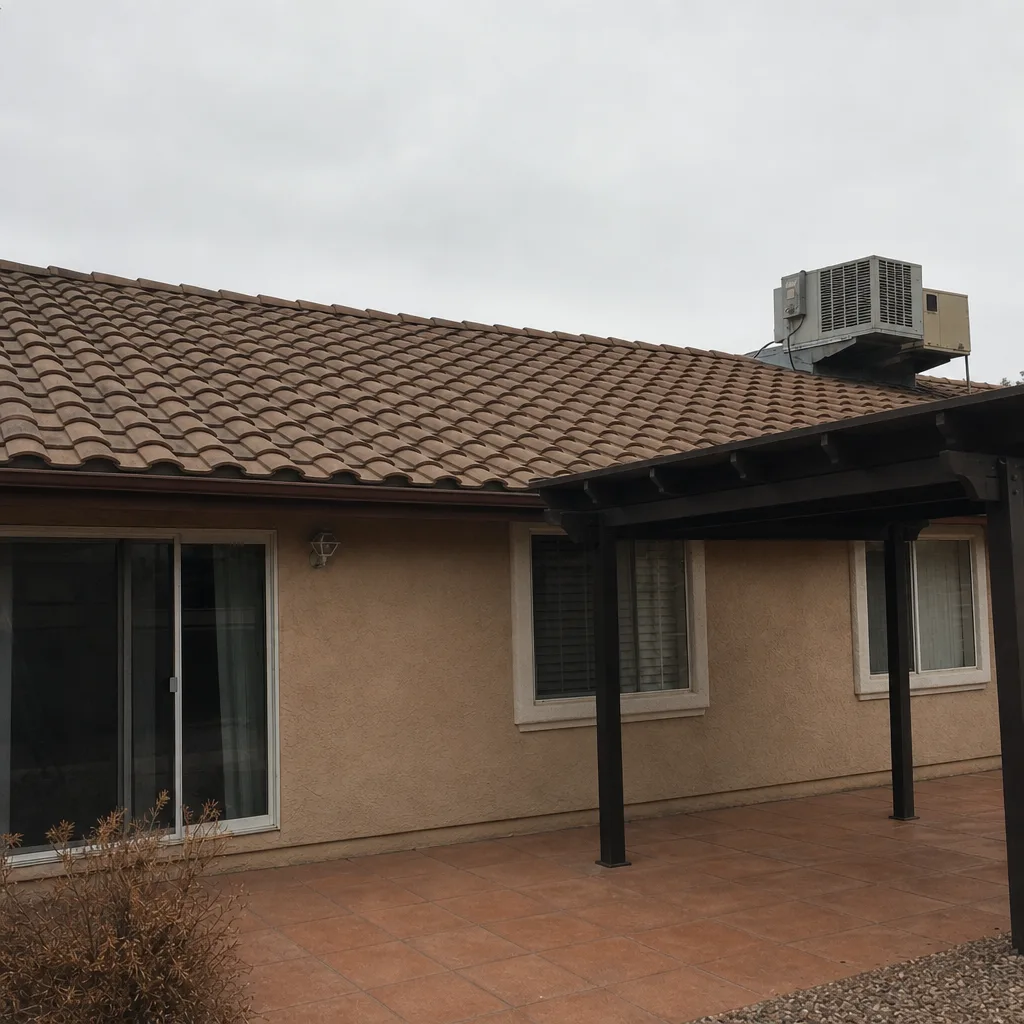 After
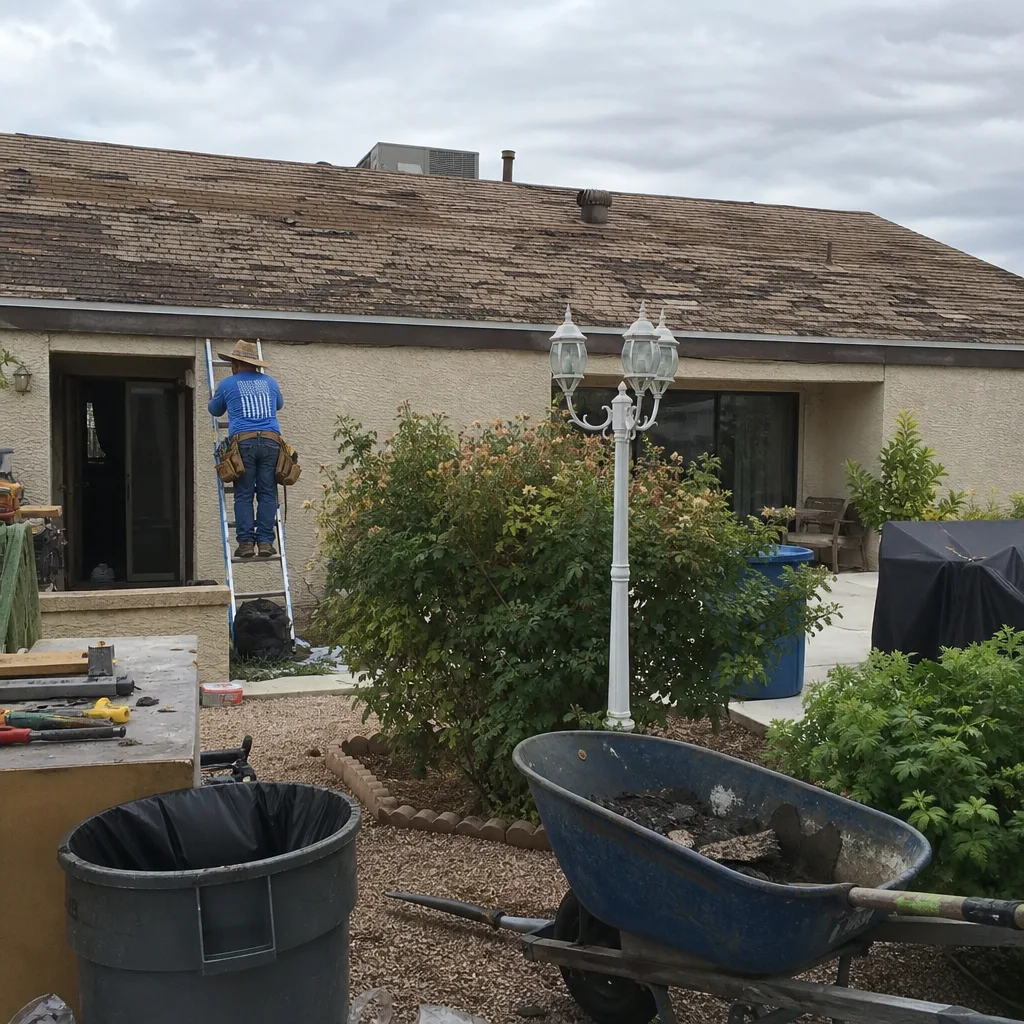 Before
 After
 Before
 After