
Last updated November 18, 2026
 Architectural shingles
 Metal roofing
 Tile roofing
 GAF
 Owens Corning
 Flat & low-slope
Free roof inspection with deck photos before we talk money - GAF and Owens Corning certified installation
Emergency & Storm Damage Troubleshooting: Common Problems and How to Fix Them
Water coming through a ceiling after a Henderson monsoon is terrifying, but the wrong response makes it worse. Poking a hole in the drywall bubble, moving wet insulation by hand, or placing a bucket directly under an active drip consistently turns a manageable repair into a larger one and a messier insurance file. In our experience, the first two hours after storm damage decide how the next two weeks go. This guide walks the five problems homeowners here face in the order they actually show up, from the ceiling leak to the exposed furnace pipe, and what to do before anyone climbs a ladder.
Quick Answer
After roof damage from a storm in Henderson, the safest first move is to contain interior water without touching the ceiling, then get the affected area documented with photos and a timestamp. Do not walk the roof, move wet insulation barehanded, or skim-coat flashing with the wrong sealant. Cover what you can safely reach from the ground, log the damage, and arrange a professional inspection. Containment and documentation protect your claim; a rushed DIY fix on the roof usually erodes it.
Styles & brands we work with
- Architectural shingles
- Metal roofing
- Tile roofing
- GAF
- Owens Corning
- Flat & low-slope
Table of Contents
- Problem 1: Active Interior Water Intrusion
- Problem 2: Missing or Displaced Roof Tiles
- Problem 3: Detached Gutters or Downspouts
- Problem 4: Damaged or Missing Flashing
- Problem 5: HVAC Penetration Exposure
- Common Mistakes to Avoid
- When to Call a Professional
- Frequently Asked Questions
Every summer, the monsoon moisture sweeps through the Las Vegas Valley, and Henderson sits right in the path. Green Valley, Anthem, and the older neighborhoods near Lake Mead Parkway all take it. Where the valley floor gets flash flooding, the homes under a low-slope roof or a set of original tiles get the leaks. That geography is why the sequence below matters. Fix the interior first, secure the exterior second, and always keep the paperwork clean.
Problem 1: Active Interior Water Intrusion
An active drip over a living room is the moment most homeowners make a decision they regret. That bulging paint or drywall bubble holds water. Poke it and you release a flood into the ceiling cavity and onto the floor, and you also ruin the piece you could have replaced in one panel.
The correct containment steps are simple and they don’t touch the ceiling:
- Place the bucket or pan under the drip, but offset it slightly so the water hits the side and runs into the container instead of splashing. Never put the bucket directly under an active drip, because the spray hits carpet, furniture, and drywall.
- Slide a plastic sheet or trash bag under the bucket and tape the edges down. This keeps water from spreading into the subfloor.
- Pull furniture and rugs back from the wet zone. If water is pooling near an outlet or light fixture, shut off that circuit at the breaker before you go near it.
- Take a wide photo of the ceiling, the drip, and the floor, then a close-up. Note the time. That timestamp matters when you file.
- Wait for a professional. Let the ceiling bubble stay where it is so the damaged panel can come down in one piece during the repair.
In our experience, homes in older Henderson subdivisions with original drywall and shallow attic insulation develop a bubble faster than newer construction. The fix is never to poke the bubble. Call us before you do.
Problem 2: Missing or Displaced Roof Tiles
Wind that peels tiles off a roof leaves them in the yard, and the first instinct is to retrieve them. That instinct causes more damage than the wind event. Walking a roof with a wet, granular surface or a displaced tile field means cracking tiles underfoot, tearing the underlayment, and turning a few missing pieces into a repair across a whole slope.
What to do instead:
- Stay on the ground. Note where the gaps are from the yard, using a phone camera with zoom and a clear photo of the roofline.
- Look for tiles on the lawn or in the gutter and leave them where they sit. They’re evidence and they may be reusable, but only from the ground.
- If rain is still coming and you can safely reach a low section from a ladder with two feet on the ground, do not climb. Cover it from below, not above.
- Record the pattern of missing tiles: one isolated gap, or a whole row. That record helps the inspection and the claim.
Henderson’s afternoon winds in monsoon season come in short, hard bursts. A ridge cap or field tile that lifts on one slope is often gone in an hour. The underlayment beneath is what holds the water back, and once it’s exposed, the clock is running. We install IKO and Boral tile systems here, and our technicians have up to 10 years of experience with tile repair on this soil and these winds. Every inspection is photo-documented from your actual roof, so you see what we see.
Problem 3: Detached Gutters or Downspouts
A gutter hanging by one bracket at the edge of the roof is either safe to leave or it isn’t, and the difference is where it’s hanging. Use this rule:
- Leave it alone: Over a walkway, driveway, or entry, or any section that is still holding water and swinging. A loaded gutter can come down on its own, so keep people away and don’t try to lift it with a ladder.
- Safe temporary reattachment: On a one-story section where the gutter is empty, dry, and hanging in one piece over a soft surface (lawn or garden bed), you can screw a new bracket into the fascia to hold it until the repair. Use a matching screw, not a nail. Never stand on the roof to do it.
- Never do: Tying the gutter back with wire, duct tape, or rope around a tree or downspout. It looks like a fix and it pulls the fascia out a season later.
Downspouts that have separated from the gutter are usually safe to rehang with a screw from the ground. The bigger issue is water dumping against the foundation. In Henderson, the ground after a monsoon is already saturated, and redirection protects the slab. If a whole run of gutter is off the house, that’s a professional call.
Problem 4: Damaged or Missing Flashing
Flashing is the metal that seals the roof at every penetration and every wall intersection. When it lifts or tears in a storm, water goes straight under the surrounding shingles, and this is one of the fastest paths to a ceiling stain. A temporary watertight solution is possible from a hardware store, but only with the right material.
What works for a temporary fix:
- Self-adhering roof tape: a flexible peel-and-stick membrane works as a short-term seal on a flat section of flashing or a small gap. It’s meant to hold until a professional inspection, not to last the season.
- Plastic sheeting weighted down or tacked above the problem area, if you can reach it from a ladder with the base on solid ground. Angle it so water runs off the side, not into the gap.
What traps moisture and makes it worse:
- Silicone caulk or polyurethane sealant on an active leak. It seals the top and traps water underneath, so rot begins in the plywood before anyone sees it.
- Spray foam inside the roof cavity. It blocks drainage, holds moisture, and makes the repair harder once it dries.
- Rubber roofing cement smeared over the flashing. It holds for a day, then lifts, and the next storm gets under it.
Any flashing work above the roofline should be done by a roofing professional. If you aren’t sure, take a photo of the area from the ground, and call us before you put anything up there.
Problem 5: HVAC Penetration Exposure
If a rooftop air conditioner or furnace vent pipe has lost its surrounding flashing in the storm, that’s the fastest route to interior mold in Henderson. Here’s why. During monsoon season the humidity spikes for a few days, then drops fast. Water that enters the attic through an exposed HVAC penetration soaks into insulation, ceiling board, and the furnace cabinet. When the dry heat returns, the moisture is trapped in the cavity, and warm attic air plus damp material is exactly what mold needs.
What to check, without climbing:
- Stand on the ground and look for a missing collar or a loose vent pipe at the rooftop AC unit. A shiny or displaced piece next to the unit is a warning sign.
- Go inside and look for water stains on the ceiling under the AC location, or rust streaks on the furnace cabinet.
- Smell for a musty odor near the vents. That’s a sign the moisture has reached the ceiling plane.
- Turn off the thermostat if water is visible near the furnace or the unit, then call.
Do not try to seal the collar from below. A temporary cover that reaches the rooftop penetration is a professional task, and the moisture damage compounds every day it stays open. In our experience, a Henderson home with an exposed AC penetration can show visible ceiling damage in less than a week of monsoon humidity.
Common Mistakes to Avoid
- Taping a tarp to the roof without a fastener. Wind gets under the edge and peels it by the afternoon, taking shingles with it. Use screws with cap washers and weight the lower edge, or leave it to a pro.
- Choosing the cheapest bid from a truck that rolled in after a Henderson storm. Chasing the lowest number often means the crew is gone by spring, and the repair fails when the next monsoon hits.
- Moving wet insulation by hand. Fiberglass and mineral wool carry moisture and skin irritation, and disturbing it spreads the problem into the attic. Leave it, photograph it, and let a professional remove it.
- File a claim before the damage is documented. A photo record from your actual roof is the strongest evidence. A verbal description is the weakest.
- Calling after the roof has been “fixed” by a neighbor with a ladder. The work usually isn’t visible from above and it can void the warranty on the surrounding materials.
- Assuming your neighbors’ roof damage is your roof’s problem. A leak at one home in Green Valley often means a flashing failure, not a neighborhood-wide issue. Each roof is assessed on its own.
- Ignoring a quiet gutter. A downspout that doesn’t drain means water pooling at the foundation, which in Henderson’s soils can loosen it in a single season.
If any of this sounds familiar, this is the moment to stop and call. Our technicians are background-checked and arrive in uniform, and a live person answers every call, including nights and weekends. We’ve been standing behind local roofs for over 42 years. Read more about Ridgeline Roofing Co. Henderson home and how we work.
When to Call a Professional
Call us for any active interior leak, missing or displaced tiles you can see from the ground, a detached gutter over a walkway or driveway, lifted flashing at a wall or penetration, or a rooftop HVAC collar that has come loose. Call if you can’t safely see the damage from the ground, or if water has reached a light fixture or outlet. Call even if the damage looks small. A small issue left to the next monsoon in Henderson becomes a big one. We offer free estimates in Henderson, with the number on the estimate matching the number on the invoice, and every job is backed by the 90-Day Done Right Promise. If it isn’t right, we come back and make it right. Call (833) 691-6717. For less urgent work, see Roof Repair in Henderson or plan ahead with Roof Replacement & Installation in Henderson.
Frequently Asked Questions
Contain the interior water without touching the ceiling, then photograph the damage with a timestamp. Do not walk the roof or move wet insulation. Call us at (833) 691-6717 so a professional can assess the exterior safely, and our estimates are free.
A standard repair like a flashing fix, a tile replacement, or a small section of underlayment typically runs from about $250 to $900, depending on the slope, the material, and access. We give you the price before we start and it doesn’t change mid-job. Call (833) 691-6717 for an exact quote, and the estimate is free.
We can contain an active leak and inspect the roof safely the same day in many cases, but the permanent repair depends on what we find under the tiles or shingles. Call (833) 691-6717 and we’ll tell you what the schedule looks like for your home.
It’s an emergency if the section is hanging over a walkway, driveway, or entry, because it can fall on someone. If it’s over a lawn and empty, it’s a repair, not an emergency. Call us for a free estimate either way.
We document the damage with photos taken from your actual roof and provide a clear written report you can give your insurer. We don’t act as your adjuster, but the record is complete. Call (833) 691-6717 to schedule the inspection.
Most repairs are completed in a single visit once the materials are on hand. Larger repairs, like a full slope of displaced tile or a roofline section, usually take a couple of days. We tell you the timeline before we start, and we pull the permits and pass the inspections. Call (833) 691-6717.
The Bottom Line
The five problems in this guide show up in roughly the same order after every storm, and the first two hours matter more than the next two weeks. Contain the water without touching the ceiling, don’t walk a wet roof, and only make a temporary fix you know is safe from the ground. Document everything with a timestamp. For the roof itself, call a professional who will be there when they say and stand behind the work. In Henderson, that’s what we do. For specialty systems that take a different hand, see Specialty Roofing in Henderson, and call (833) 691-6717 for a free estimate.
Written by the team at Ridgeline Roofing Co. Henderson.
See the difference
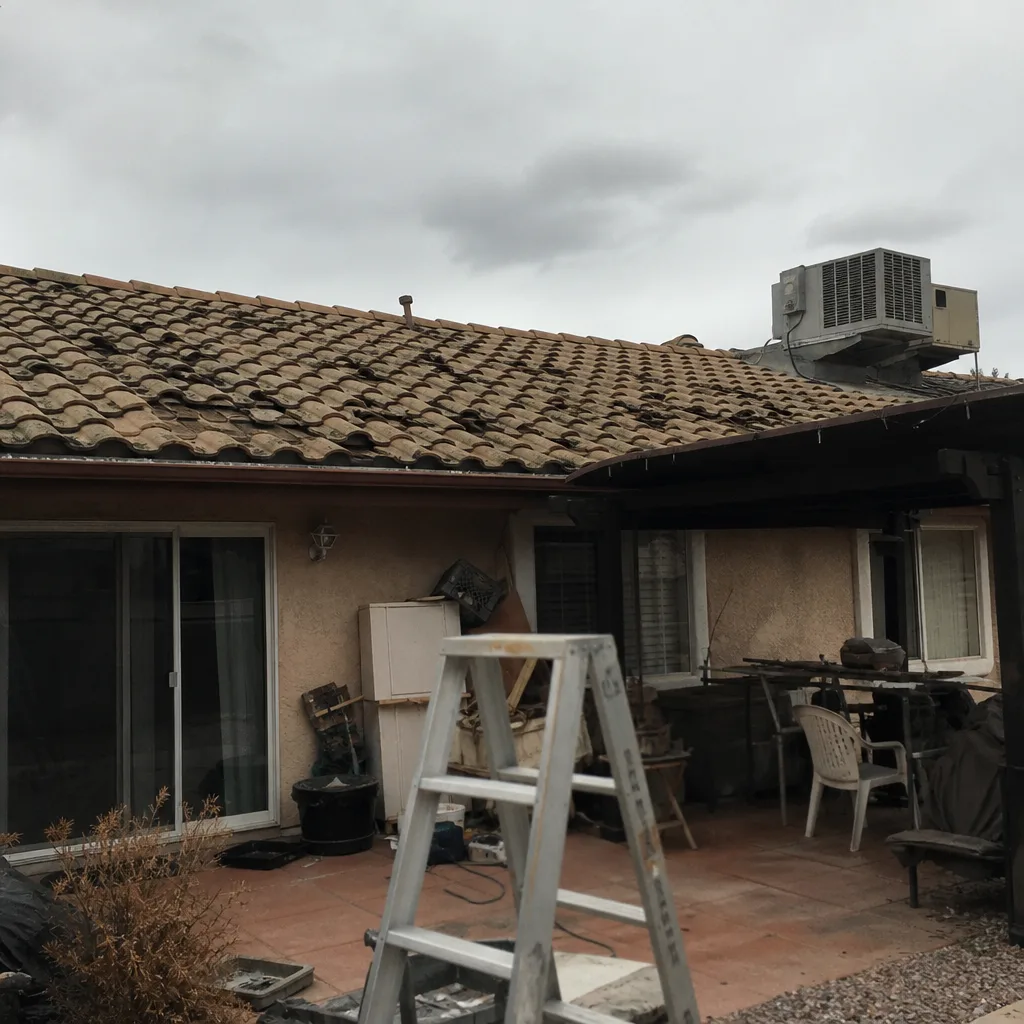 Before
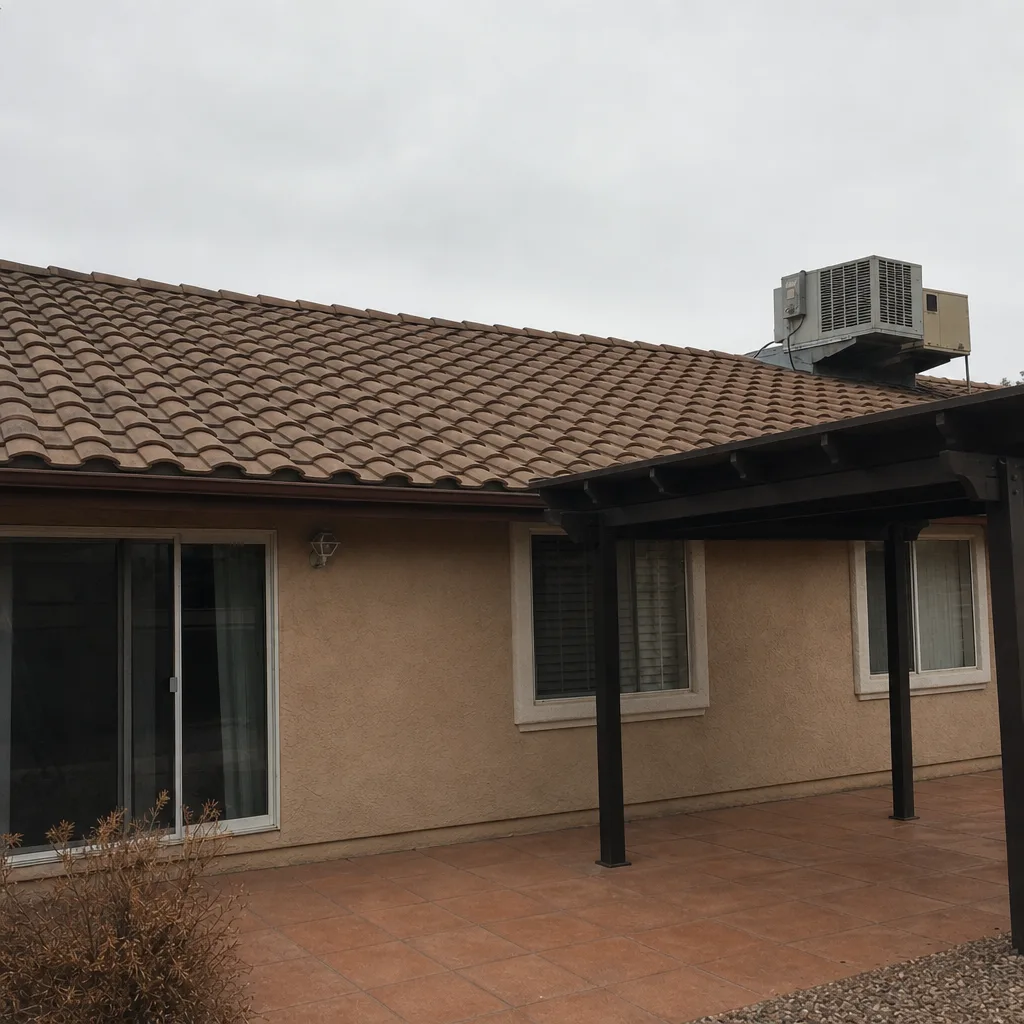 After
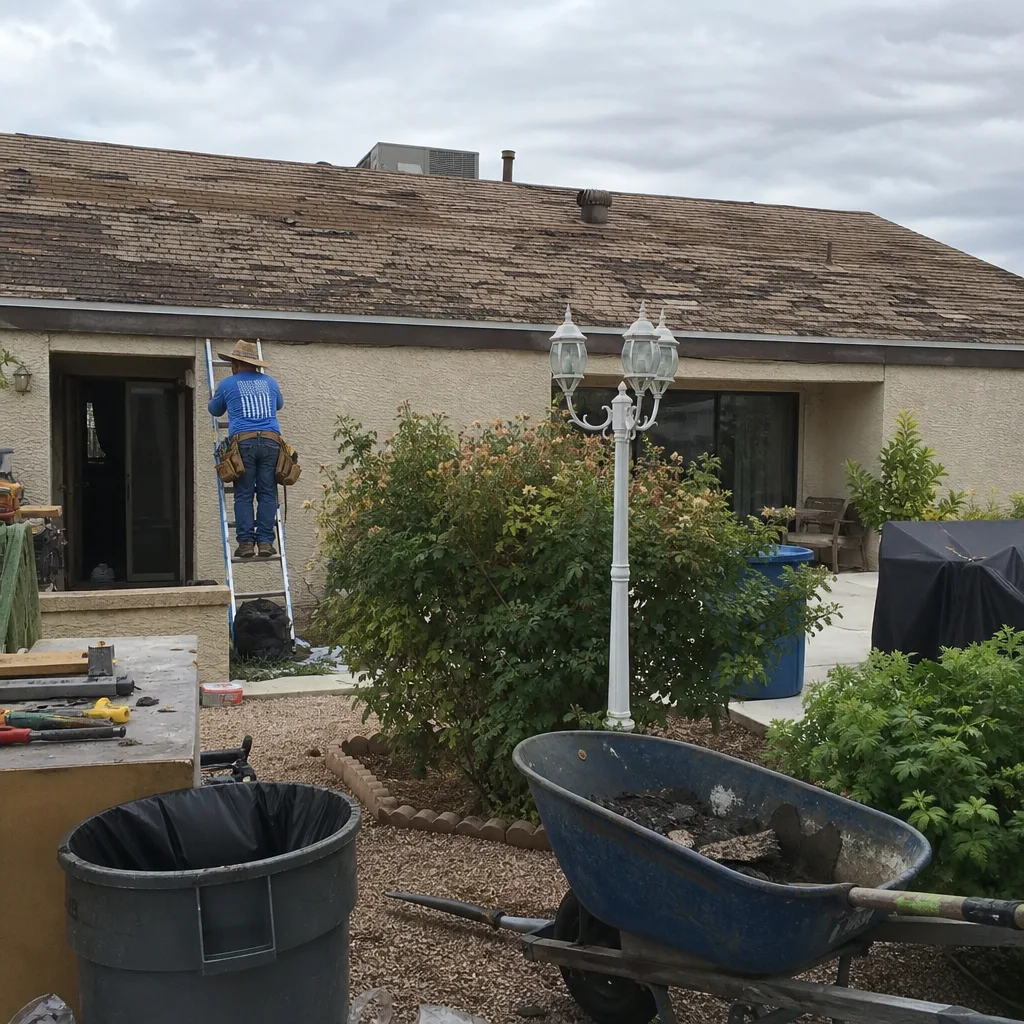 Before
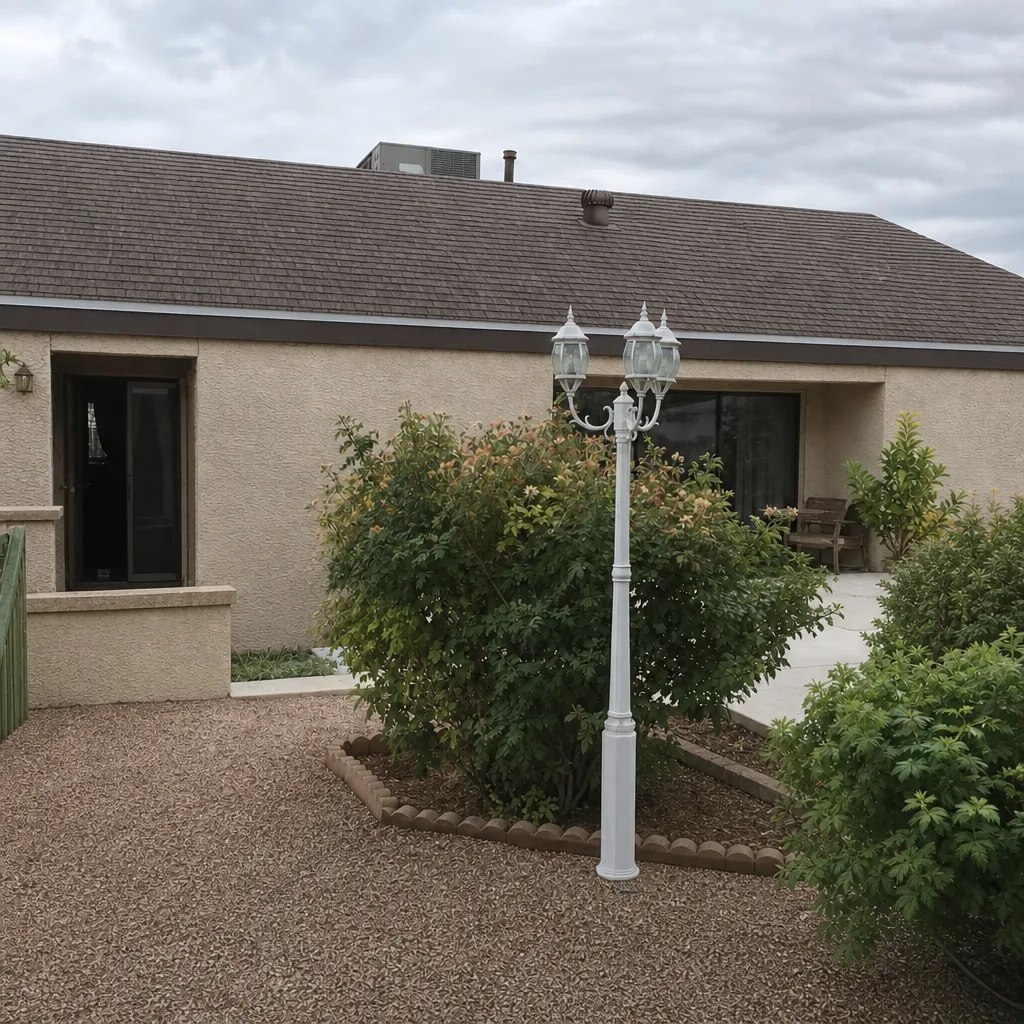 After
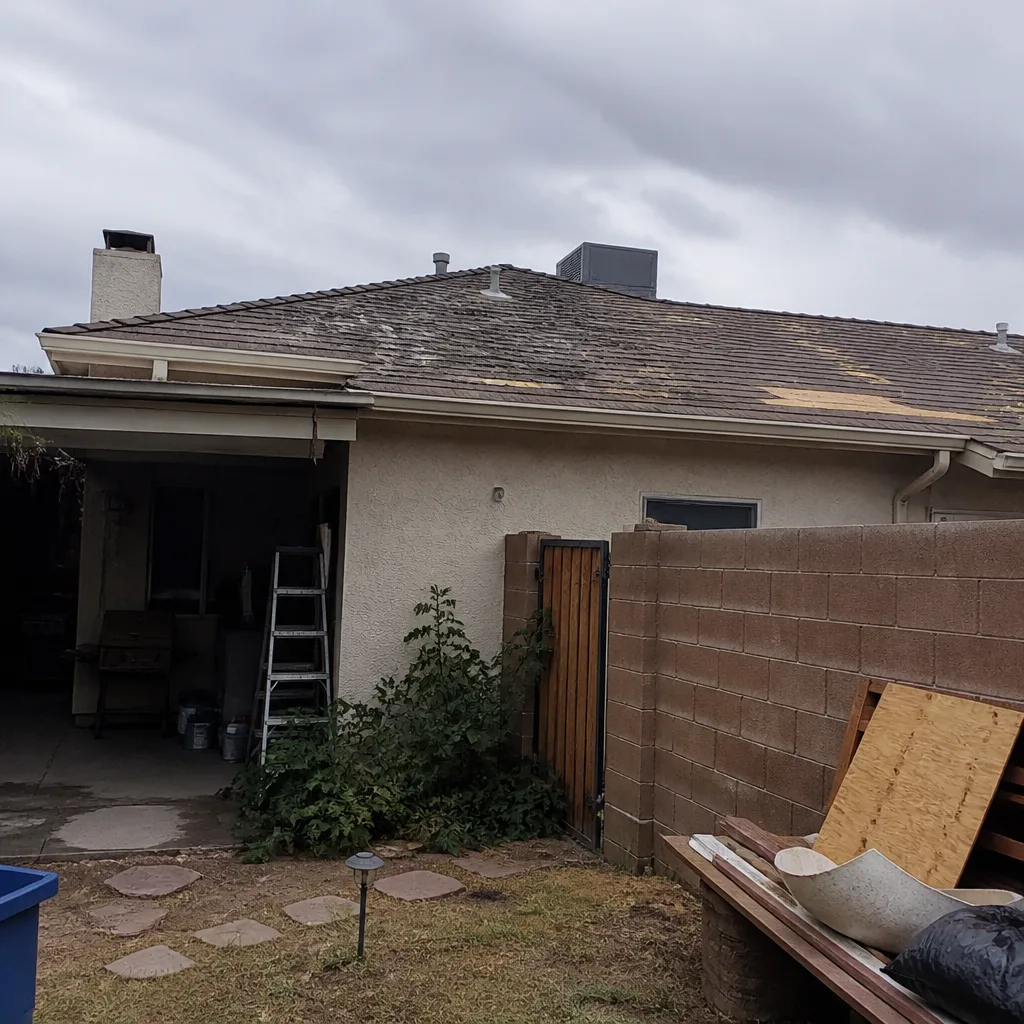 Before
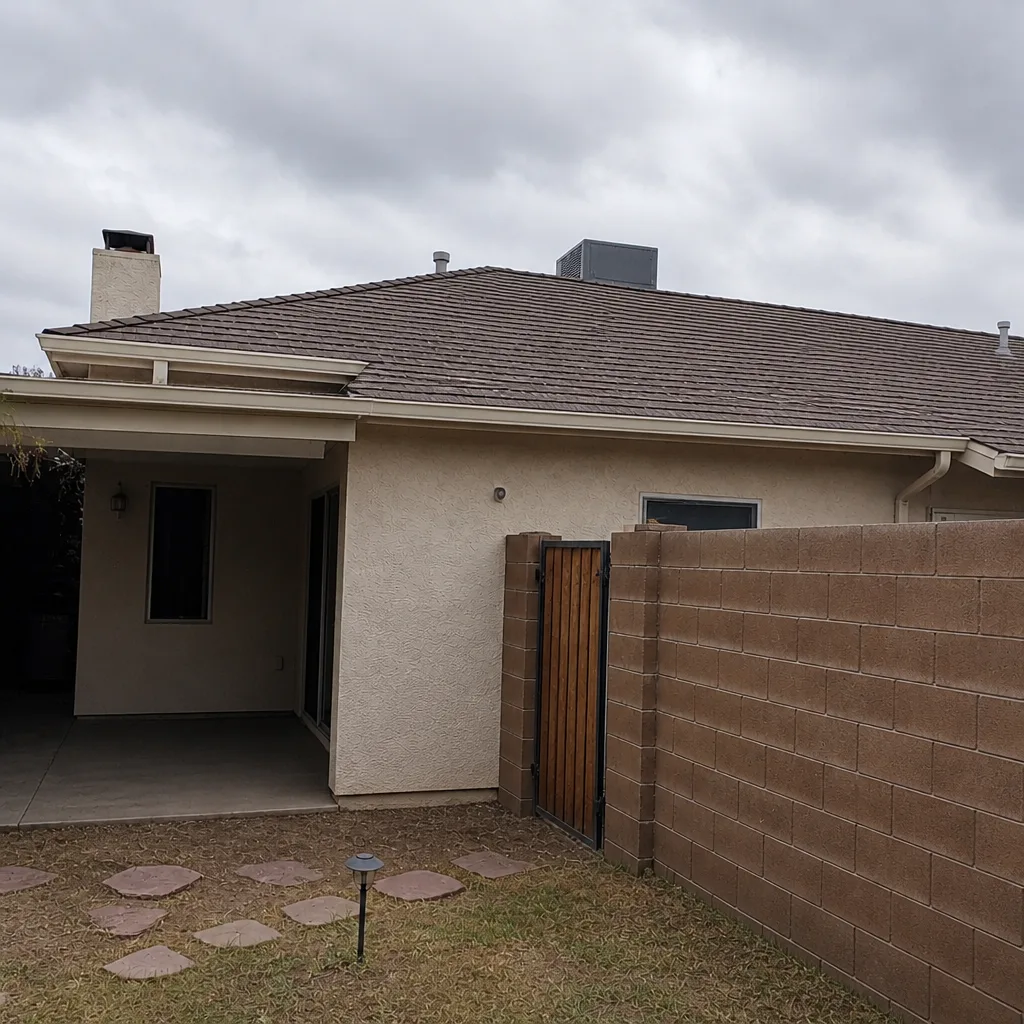 After